


As a fertility doctor, one of the most common things I tell my patients is this:
your menstrual cycle is one of the most reliable indicators of your reproductive health.
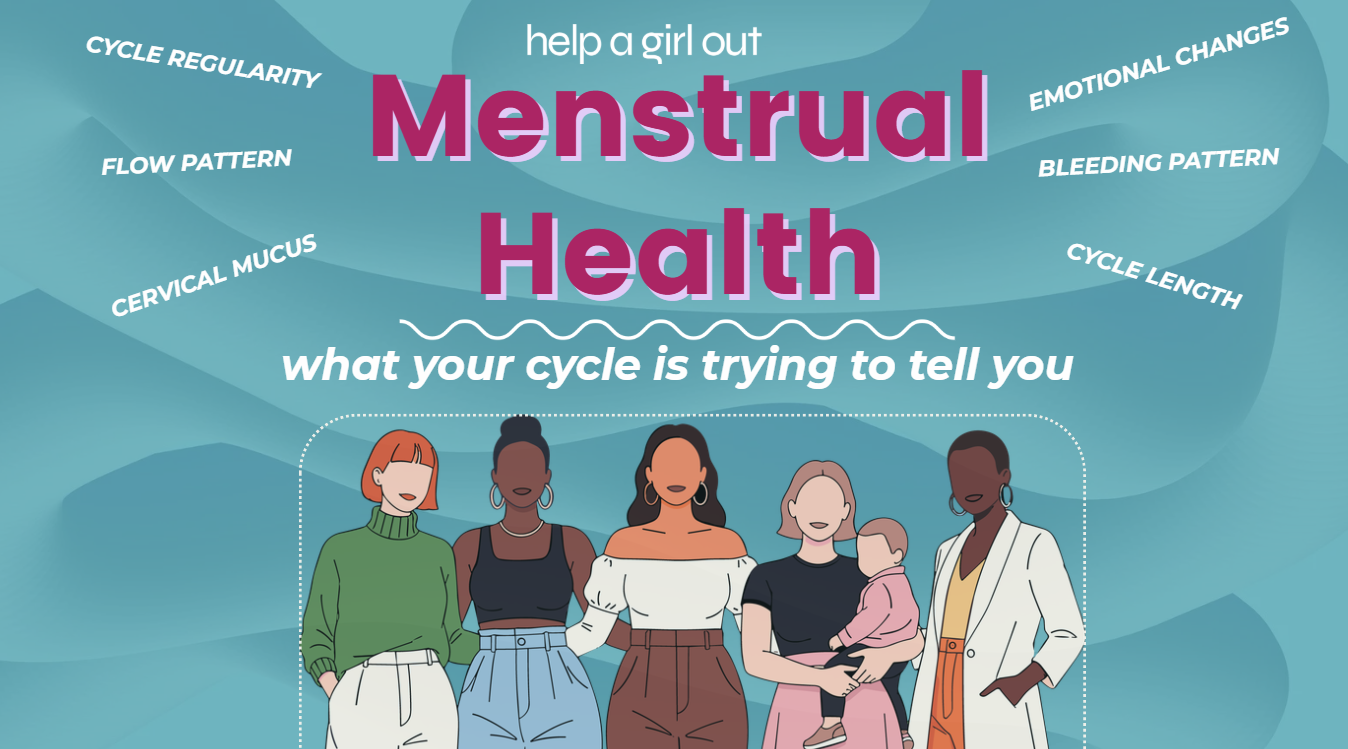
Your period isn’t just a monthly event, it’s a mirror of your hormones, ovulation patterns, uterine
health, and overall fertility. Understanding what’s normal (and what isn’t) can help you recognize
early signs of reproductive issues, seek support sooner, and feel more empowered throughout
your fertility journey.
Let’s break down what your cycle can reveal.
1. Cycle Regularity: A Key Signal of Ovulation
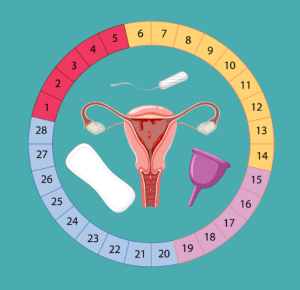
A regular cycle, typically between 26 and 35 days, often indicates that you’re ovulating
consistently, which is essential for conception.
Irregular cycles may be associated with:
- PCOS
- Thyroid disorders
- High stress or elevated cortisol
- Significant weight changes
- Perimenopause
- Other hormonal imbalances
If your cycle varies widely from month to month, it doesn’t automatically mean something is
wrong but it does mean that a closer look may be helpful.
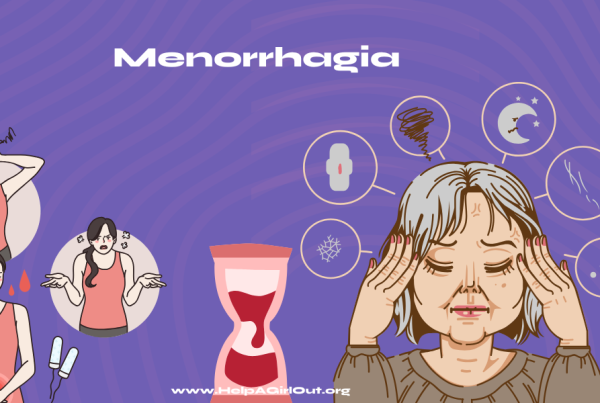
2. Flow & Bleeding Patterns: Insight Into Uterine Health
The amount you bleed, the duration, and even the timing of bleeding can offer important
information.
Heavy or prolonged periods may suggest:
- Fibroids
- Polyps
- Endometriosis
- Adenomyosis
- Thickened endometrium
Very light periods may indicate:
- Low estrogen
- Thin uterine lining
- Ovulation issues
Spotting between periods may be related to:
- Ovulation
- Hormone fluctuations
- Cervical or uterine abnormalities
The uterus plays a central role in implantation, so paying attention to these changes can be
incredibly valuable.
3. Painful Periods: What’s Normal and What’s Not
Many people assume period pain is something they must simply tolerate, but significant pain is
not normal.
Severe cramping, pain that disrupts daily activities, pain during intercourse, or pain outside of
menstruation may be signs of:
- Endometriosis
- Adenomyosis
- Pelvic inflammatory disease
- Fibroids
These conditions can affect fertility, and early evaluation is extremely important.
4. Cycle Length: A Reflection of Hormonal Balance
Hormones orchestrate your cycle, and cycle length can reveal whether they’re in sync.
Short cycles (< 24 days) may suggest:
- Luteal phase defects
- Low progesterone
- Reduced ovarian function
Long cycles (> 35 days) may indicate:
- Irregular or absent ovulation
- PCOS
- Thyroid dysfunction
- Stress-related hormonal disruption
If this pattern persists, simple bloodwork and ultrasound evaluation can help clarify the cause.
5. PMS & Emotional Changes: The Hormone–Brain Connection
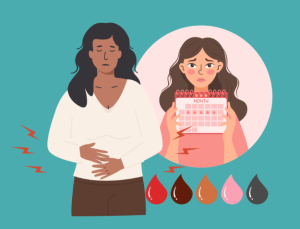
Intense PMS symptoms — severe mood swings, bloating, headaches, breast tenderness — can
also reflect underlying imbalances in estrogen, progesterone, inflammation markers, or thyroid
hormones.
These symptoms matter because they’re part of the broader reproductive picture.
6. Cervical Mucus: A Natural Fertility Indicator
Cervical mucus often gets overlooked, but it’s one of the clearest signs of your fertile window.
Healthy fertile mucus is:
- Clear
- Stretchy
- Slippery
- Present in the days leading up to ovulation
Changes in cervical mucus can reflect hormonal patterns, infections, or vaginal flora
imbalances, which may affect conception.
Why Menstrual Health Matters for Fertility
Fertility isn’t just about releasing an egg. It’s about the entire reproductive system working
harmoniously.
Your cycle can reveal:
- Whether ovulation is occurring
- If your hormones are balanced
- Whether the uterine lining is healthy
- Signs of common but often underdiagnosed conditions
- Signals that further testing might be needed
Understanding your cycle helps you know when to seek support — and helps me, as your
doctor, determine what steps to take next.
When to Seek Medical Advice
You should speak with a healthcare provider if you experience:
- Cycles shorter than 24 or longer than 35 days
- Missing periods
- Very heavy or very light bleeding
- Significant pain during periods
- Sudden changes in your cycle
- Spotting throughout the month
None of these symptoms mean infertility — but they deserve attention.
You’re Not Alone in This Journey
Menstrual health and fertility health are deeply interconnected. Learning to recognize what your
body is telling you is an empowering step toward understanding your reproductive wellness.
If something in your cycle doesn’t feel right, trust your instincts.
You deserve care, clarity, and support.
Book a Fertility Consultation with Dr. Roumain
If you’d like to discuss your fertility health further, you can self-refer for a consultation with me
at Tripod Fertility.