



No one deserves to fear something as normal and imminent as menstruation – and yet, young individuals expected to menstruate in the future remain unaware of the subject before their bodies undergo puberty-led changes. The scarcity of ‘timely awareness’ for menstruation has led bad memories, unpleasant experiences, and negative emotions to be associated with menarche (the first period), as recorded by an international study. In this, the core reason lies with an imbalance of menstrual equity (or menstrual inequities), the impact of which is disproportionate, affecting youth, indigenous people, newcomers and immigrants (in Canada), the underprivileged, people with disabilities, and those residing in rural and remote communities. The barriers to accessing menstrual products and educational resources arise from a combination of financial limitations and harmful misconceptions. Considering how roughly 800 million individuals menstruate every single day, promoting early menstrual health education becomes important.
A significant population of menstruating individuals was never taught what menstruation is, when it’s expected to come, and what to expect when it finally becomes a consistent part of their lives. While essential, the interpretation of menstruation varies across cultures and societies. If you think about it, the existence of blood (in general) has been perceived as ‘normal ’ – as long as it’s inside the body. So when the blood flow begins for the first time (often painless), some menstruators may actually think they are stricken with a serious ailment. Due to reasons such as these, menstruators often report experiencing feelings of panic, confusion, stress, anxiety, depression, and isolation with the onset of the first period. Ultimately, a natural phenomenon that was supposed to be treated as a ‘biological milestone’ takes the shape of a traumatic event.
When misinformation persists, perceptions change. Around 25% of Canadians perceive periods to be dirty and unclean, whereas 20% of Canadians agree that ‘menstruation isn’t a topic meant to be discussed publicly’. The immediate approach to address this concern is to expand menstrual health education in school curricula. However, implementation varies depending on the instructor’s comfort level, access to support, and opportunities to develop lesson plans. The potential to promote menstrual health education exists in theory but lacks practical application, particularly since National Guidelines for sexual health education fail to cover menstrual health. To address menstrual inequity and the lack of timely, adequate educational resources altogether, proactive school & youth programs (such as those offered by Help A Girl Out) are working to deliver age-appropriate education to young minds.
The only reason menstrual health education needs to be age-appropriate for young minds is to ensure a steady, gradual, and thoughtful release of essential information. The goal isn’t to make young minds feel panicked or build a negative association with periods. It’s to help them understand bodily changes, be prepared for menstruation, know what menstrual product options are available, develop healthy menstrual hygiene habits, ask questions without feeling embarrassed, feel more confident about their health, and fight menstrual stigma with factual information. As the WHO notes, timely education on menstrual hygiene management doesn’t exclusively benefit individuals expected to menstruate; it also benefits those who don’t (such as men). The earlier essential menstrual health education is delivered to young students, the better equipped they are for dealing with menstruation and the misconceptions contributing to harmful menstrual hygiene practices. This way, all students are trained to work towards eradicating menstrual inequity and foster a comfortable, healthier space for menstruators.
What Is Early Menstrual Health Education?
Menstrual health involves the ability to obtain, understand, and act on evidence-based health care information for the purpose of making informed health decisions. With early menstrual health education, the dynamic shifts a step ahead. It refers to the structured instruction of the biological, emotional, and practical realities of the menstrual cycle before puberty begins. A comprehensive approach ensures that menstruation is framed as a normal, healthy biological function and a significant, repetitive event rather than a taboo or medical burden. Gradually, it educates students about how the body changes, which products they can use, and safe ways to practice effective menstrual hygiene. More importantly, it helps students identify the factors that distinguish a healthy menstrual cycle from serious medical conditions. By providing information about symptoms (for underlying medical concerns) such as severe dysmenorrhea, heavy bleeding, pain, or irregular intervals, the educators encourage students to seek timely medical care.
When there’s a lack of menstrual knowledge and limited access to sanitary products, these conditions adversely affect students’ academic performance and their quality of life. Introducing the fundamentals of menstruation to prepubescent students helps ensure their first encounter with menstrual bleeding isn’t something to feel frightened of. Instead, it becomes a source of empowerment. When children (who are expected to menstruate in the future) learn about periods in advance, they are psychologically prepared for future experiences. This effectively reduces the likelihood of trauma, shame, and confusion that comes with sudden and uncontrolled physical changes. The approach isn’t just for the sake of helping young individuals manage their future menstrual cycles better – it also serves another purpose: prevention. Factual information from credible sources helps prevent external stigma and cultural taboos from taking effect that may otherwise interfere with efforts to achieve good menstrual health. While the previous generations of menstruators have widely reported being kept in the dark before the onset of menarche, the current and forthcoming generations are being actively trained to have more transparent and proactive experiences.
However, when considering a child’s cognitive development, it’s neither possible nor appropriate to deliver hard information all at once. As with any other subject in their lives, new information about menstruation and menstrual health must be taught to them gradually as they grow up. For example, young elementary students (ages 6 to 9) are taught about normalizing body parts with proper medical terms, establishing privacy boundaries, and removing basic stigmas before puberty starts. In Alberta and British Columbia school curricula, the focus is broadly on healthy bodies, self-esteem, and personal hygiene. When the same batch of students (aged 9 to 14) reaches early adolescence/middle school stages (grades 4 through 8), they’re able to learn about the female reproductive system, how uterine shedding works, and the healthy practices needed to support a healthy lifestyle after reaching menarche. Beyond information on biological changes and product usage, the students also learn about emotional changes, tracking patterns, and building a period kit for school or outdoor use. Here, the educators (within the school framework and outside of it) strictly prioritize immediate, practical preparation for physical changes and framing menstruation strictly as a normal, healthy sign of growing up. Moreover, their gender-inclusive approach to menstrual health education helps foster empathy, eliminate bullying, and destigmatize hearsay about menstruation.
School curricula typically include menstrual health education. So, why is there a need for early interventions with school & youth programs? The difference lies in the language, methods, and comfort levels of the instructors assigned to educate students before puberty. The topics and depth of menstrual health education can vary based on individual preferences for discussing sensitive topics such as menstruation. In this manner, students can either be inadequately informed about the physiological changes their bodies are likely to undergo in the near future, or be ill-informed about the factual information necessary to establish healthy menstrual hygiene practices at the onset of menarche. Emerging from both factors, menstruating individuals often fall into poor menstrual hygiene habits, leading to painful infections (urinary tract infection, bacterial vaginosis, yeast infections, reproductive tract infections, toxic shock syndrome) and compromising their well-being. Children who come from low-income families or are a part of indigenous communities are more susceptible to period poverty. This leaves them vulnerable to unsafe menstrual hygiene management practices such as wearing disposable menstrual pads/tampons for prolonged hours; reusing disposable pads multiple times; reusing damp rags (unwashed); crafting and using makeshift period management tools (paper, layers of toilet paper, bags, cardboard, newspaper); and stuffing the underwear with dry leaves, grass, or household sponges.
Importance of Preparing Young People Before Their First Period
The pressure of uncertainty isn’t what young minds particularly expect when adults tell them what growing up is truly like. Their curiosity about adulthood is mostly reliant on what adults ultimately share with them. The universal experiences, the honesty, and a well-positioned guidance that actually works to keep them mentally prepared for what’s about to come – that’s precisely what preparing young people before their first period is all about. The hurdles that adults faced in their generation for accessing adequate menstrual health and hygiene education aren’t meant to be repeated in forthcoming generations. Rather, the cycle needs to break. As countless menstruators have reported, they did not have adequate knowledge about periods or how to manage them before the onset of menarche. And that’s only one part of the story. Some still don’t have the privilege or the means to manage their periods with care and dignity. They don’t know how to properly identify the physical changes that are likely to occur two weeks before menstruation (23.2%); neither do they hold adequate information about what reproductive anatomy is (31.1%) or what reproductive hormones are (63%). Experts can’t help but draw conclusions that the knowledge concerning reproductive and menstrual health is considerably lower than expected, primarily due to personal, cultural, and social factors.
The lack of adequate and factual information circulating among menstruators didn’t arise randomly. It is a product of societal norms, the shame surrounding menstruation, the taboos and stigma deeming it unclean, and the unwillingness to publicly and openly hold discourse about menstruators, their menstrual health struggles, and steps that could be taken to improve the quality of life for them. To address the problem from its root cause, it’s imperative that society communicates at large to form a better understanding about what it usually hesitates to talk about. Deconstructing shame and stigma starts with the circulation of factual knowledge, reliable educators, and the subsequent normalization of menstrual discourse. The direct products of such efforts include an elimination of secrecy surrounding menstruation, menstrual cycle, and reproductive health; inclusive education channels where menstruating individuals and non-menstruating individuals come together to fight taboos that otherwise make menstrual experiences uncomfortable and unmanageable for menstruators; making menstruation integral to public health and policy (allowing period products to be treated as basic necessities instead of luxuries and acknowledging symptoms openly); and realistic media portrayal, one that’s clear of (1) controversial ‘blue liquid’ demonstration, and (2) a complete lack of recognition for menstrual discomfort.
Through effective school & youth programs, such as those offered by Help A Girl Out, young people expected to menstruate in the near future are given the crucial information surrounding what periods are, when they are expected to experience them, what happens to the body as one menstruates, and what some of the effective ways are to safely manage it. Likely available in a variety of languages, the curriculum of such programs entails a wide range of topics related to uterine, menstrual, and reproductive health; hygiene practices; and strategies needed to combat period poverty. The instructors design workshops that aren’t simply rote-learning material. Rather, these sessions are interactive in nature, incorporate real-life examples, and give insights about practical tips that are exclusive to the participants’ specific age group and cultural sensitivities. In this manner, all participants (students) are able to retain clear, factual, and reassuring information ahead of time so that they’re able to feel prepared and well-equipped with essentials before puberty changes begin. For example, children who are expected to menstruate can better understand and look forward to bodily changes, such as budding breasts, pubic hair, underarm hair, vaginal discharge, body odor, acne, oily skin texture, growth spurt, a curvier body fat distribution, and widening hips. If a young, prepubescent child is equipped with such pieces of information, they would be able to ask questions freely while feeling more confident in their skin (instead of feeling insecure about ‘sudden’ body changes). This degree of openness, comfort, and enthusiasm can be observed in HAGO’s ‘Let the Stories Flow’ workshop segment, where the instructors foster a safe space that creates opportunities for all participants and moderators to share their personal experiences and stories that potentially help improve the experiences for individuals who are yet to menstruate.
How Early Menstrual Health Education Builds Confidence
Confidence doesn’t come through enforcement of an idea without reason. It comes with clarity and preparation. Placing complete reliance on the educational system’s timeline for period-related information may not be in the best interest of prepubescent children expected to menstruate soon (at or before the age of 10), especially considering how the mean Canadian age for early menarche is set at 12.72 years. For this reason, it’s likely that the school’s curricula lag by a few years in delivering adequate and essential information concerning periods to help individuals who experience early menarche manage menstruation with ease, confidence, and a sense of safety. But this doesn’t mean that efforts can’t be made through external non-profits and reliable awareness channels striving to make periods a comfortable experience instead of allowing it to be treated as a ‘foreign’ or ‘taboo’ entity. At core, the approach of proactive school & youth programs starts with helping young people understand their bodies, puberty, puberty-driven bodily changes, menstruation, and menstrual hygiene management (MHM). This means explaining the basics of a prospective menstruator’s anatomy, what the body is subjected to (with the onset of menarche), establishing how normal it is for 800 million people to experience this every single day, and what methods (and products) are widely trusted by menstruators on a worldwide scale are integral to building fact-checked comprehension surrounding menstruation.
When there is an absence of adequate information (or information simply shared with an overly thick layer of euphemistic discourse), confidence doesn’t get the room to form (or grow, for that matter). The young minds remain curious about the gaps created with bits of information shared with them. Essentially, a lack of correct information (backed by age-appropriateness of puberty-related topics and control over menstruators’ access to knowledge) leads to mismanagement upon the onset of the first period. Children below the age of 10 are usually scared if they see blood or anything remotely close to its appearance. Considering how media and social constructs have repeatedly associated the existence of blood with pain, discomfort, and something to be scared about, individuals yet to menstruate often become vulnerable to feelings of shame, fear, confusion, uncertainty, and shock. These negative emotions and perceptions are only countered with the right type of knowledge shared at the right stage of life – not too early, not too late. The basic idea of school & youth programs is to make menstruating individuals so well-educated about the changes their bodies are subjected to, that they’re able to avoid second-guessing their every move and intuitively guide themselves towards safe menstrual hygiene management (MHM) practices. The logical progression from anatomy basics to safe MHM practices allows young minds to be psychologically prepared for what’s about to come in their lives. For example, instead of allowing fear or shock to overpower their minds during menarche, children feel confident to openly ask a guardian for a menstrual product of their preference, and consequently, do not feel obliged to ‘hide’ such products from peers and guardians alike.
The better the quality of communication around puberty, menstruation, menstrual health, menstrual hygiene management, and sustainable products, the better the emotional responses to periods. More often than not, the unpleasant experiences of adults (upon experiencing menarche) come from a place of scarcity, forced limitations, and an unwillingness to hold open, healthy conversations (before undergoing puberty). As long as an individual yet to menstruate is surrounded by adults who believe that periods shouldn’t be openly discussed, they’ll remain restricted from registering crucial information about their own bodies. If anything, such an act is unfair. While adults may be under the impression of doing the ‘better’ thing for the prepubescent child, they’re enabling a system (that withholds essential information about one’s health) to persevere and continue to cause discomfort to millions of individuals yet to menstruate. Without encouraging healthy conversations, students entering menarche fear asking the ‘wrong’ question from adults well into their menstrual cycle. In this, the adult menstruators may discourage them from either ‘be quiet’, asking the question ‘in privacy’, or being told ‘now’s not the time to learn about it’. Ultimately, the child would either do what feels best to them, rely on unreliable information available online, or resort to unsafe menstrual hygiene management practices.
However, ensuring a stronger discourse for menstrual hygiene isn’t isolated from positive body awareness. Even learning the names of anatomical parts, comprehending how they function, and sharing thoughts about them without any embarrassment serves as one of the prime examples of children being educated and empowered at just the right age. When done right, early menstrual health education promotes respect for the human body like no other. Its support for positive body awareness has led to terms like ‘vagina’, ‘pads’, ‘tampons’, ‘pubic hair’, ‘cramps’, ‘breast’, and ‘bra’ becoming a usual part of discourse instead of being discussed through elaborate euphemisms, gestures, or silences. Beyond this, the students also get the chance to learn what contributing factors (of menstrual health) affect their overall state of health, so that they’re able to identify if or when something is wrong and report the problem to a trusted adult for medical intervention.
Role of Early Education in Reducing Menstrual Stigma
Before understanding the role of early menstrual health education in reducing menstrual stigma, it’s important to understand the origins, persistence, and impact of menstrual stigma. Menstrual stigma, as you know it, refers to the negative social and cultural perception, shame, and taboos associated with menstruation. It comes from deep-seated cultural taboos, historical framing of the menstruator’s body as an unclean entity, and a lack of open scientific dialogue. The very act of addressing periods as ‘Aunt Flo’ and ‘that time of the month’; concealing menstrual hygiene management products (during purchase, expected wear, and disposal); sleeping in separate quarters, staying away from kitchens, and avoiding religious prayers; dismissing pain or emotions as ‘something that everyone experiences’; or continuing to normalize the ‘Pink Tax’ are primary examples of persevering menstrual stigma (and this claim doesn’t need any hyperlinked backing, by the way. Look around yourself, and you would find the examples to be evident in practice).
Considering how social practices (for menstrual hygiene management) are largely based on instinct rather than facts, it’s easier for a young mind to accept and instill the idea of menstruation as a process that’s marked by shame, physical discomfort, impurity, and embarrassment. Even for mothers of menstruating individuals, the silence that’s followed by adherence to stigma and societal norms only creates constraining opportunities for open dialogue and embodied learning. It reinforces shame and justifies a lack of open discourse with baseless arguments. This would, in fact, be detrimental to the overall health of individuals who are expected to menstruate in upcoming years. This way, underlying health conditions can remain undiagnosed, discomfort can persist for even longer, and menstruation becomes an unavoidable but widely ‘despised’ experience. Instead of resting assured, the young minds become subjected to uncertainty, fear, and shame; all because of stigma associated with menstruation itself. In the end, the very discourse of menstruation becomes constrained by the boundaries of stigma, hindering empowerment and health care access. But for this problem, there’s a solution too.
Timely awareness, supportive tools, and clear information overpower stigma. Mothers, fathers, and guardians alike, a child needs to learn about their physical anatomy, bodily functions, and menstruation without feeling like they need to be ashamed about it while communicating with adults. If individuals expected to menstruate are given the right environment to grow and learn, they’d be able to hold a respectful, empathetic, and comfortable discourse with their peers and grown-ups too. In school & youth programs, the educators often proceed with an interactive, inclusive approach that strips away the shock value and secrecy of menstruation for menstruators and non-menstruating individuals. In this manner, young minds can openly discuss cycles, pads, and hormonal shifts without allowing any social construct or expectation to suppress their curiosity, confidence, or the right to live with dignity.
Connection Between Menstrual Education and School Experiences
Helping children understand what body changes they can expect in the near future effectively reduces shock, fear, and confusion that would otherwise arise from a lack of timely education delivered to them. Children below or at the age of 10 may experience early menarche, which means they would already be juggling academic routines and playtime. In the middle of this, the last thing they need to be dealing with is the lack of preparedness for menstruation.
Did you know? A considerable population of school-going menstruators (10-20%) is reported to score low attendance for up to 4 days every month, typically during the week of menstruation.
The unexpected blood stains on the classroom seat or trousers/skirts, difficulty comprehending why the blood is gushing out of the vagina, not knowing what’s normal and what’s not – a plethora of questions surround the mind of a child upon the onset of the first period, especially when they’ve been inadequately educated over the topic. In contrast, verbal preparedness with making puberty-driven bodily changes a part of regular discourse and practical preparedness with personalized menstrual kits for emergency use can help normalize the existence of menstrual blood and make safe MHM practices even easier to incorporate. Here’s a brief overview of how proactive school & youth programs help improve school experiences by making prepubescent children literate about menstrual health:
- Helping Students Feel Prepared at School: Fear of the unknown has done more damage than good, so educating individuals yet to menstruate about menstrual health can help strip away anxiety and shock that would otherwise make them feel uncomfortable with menstruation. In this, students are able to learn the fundamentals of the menstrual cycle and the proper ways to prepare for their expected cycle.
- Supporting Attendance and Participation: The discomfort that comes with menstruation doesn’t go unaddressed with timely menstrual health education. Rather, students are given the ‘cheatsheet’ to recognize what precisely distinguishes routine cramps from excruciating discomfort. This allows them to manage menstrual discomfort more effectively, which in turn supports their physical attendance and psychological participation within the school’s premises.
- Creating Menstrual-Friendly School Environments: An environment that’s compatible with students’ experiences will always lead to better perceptions formed about menstrual health. In this, it’s fairly important for students, teachers, and administrators to openly engage in conversations about menstruation and treat it as a standard health necessity. The direct impact of this proactive practice allows taboos and stigma to dissolve, while encouraging the administration to take measures that ensure MHM essentials (such as clean running water, functional locks, private disposal bins, period product dispensers, and essential clothing items).
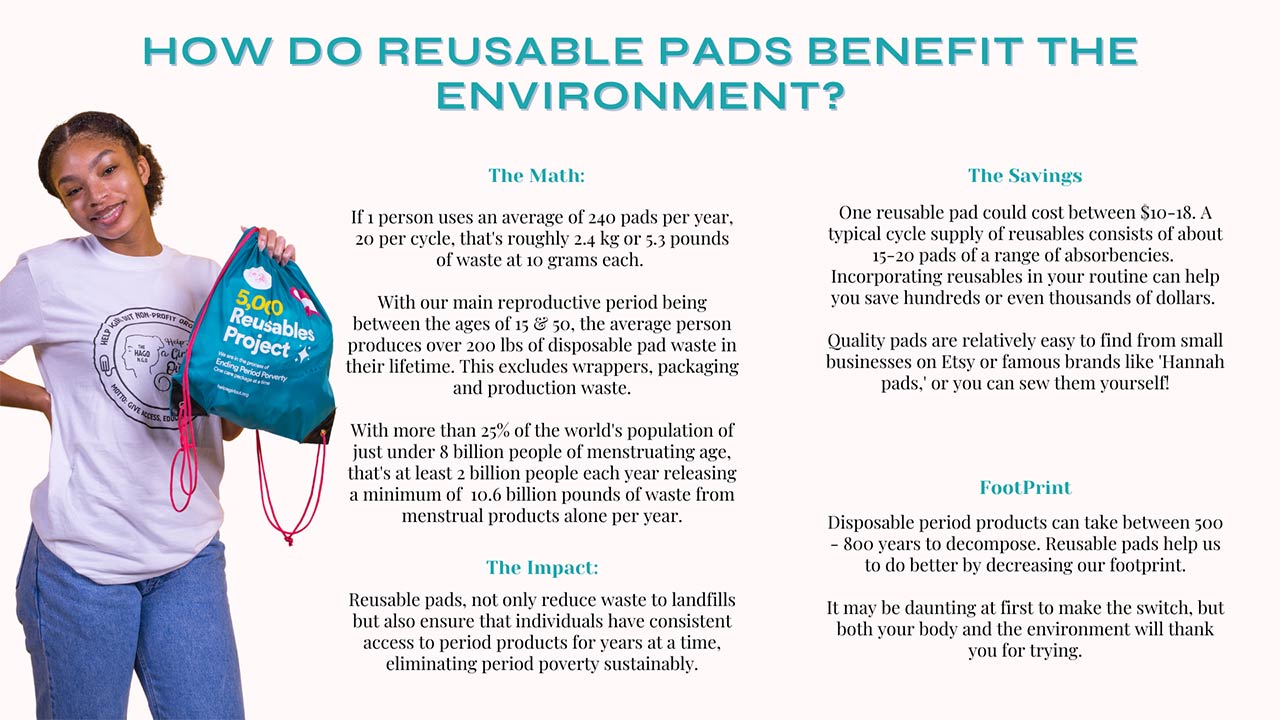
- Improving Access to Menstrual Products: Educational spaces are best when equipped with ideas that make life easier for students. Instead of treating disposable pads and tampons as absolute options for MHM, schools are encouraged to foster a space where disposables and reusables are actively recommended for safe MHM practices. Through this channel, menstruating individuals would be able to have peace of mind with free or low-cost products available on campus.
What Should Young People Learn About Menstrual Health?
It’s not a wise approach to keep children away from education that’s essential for their well-being and long-term confidence. As it turns out, early menstrual health education is a powerful tool used to dismantle shame while reducing stigma and taboos associated with menstruation. It fosters body literacy where young people receive accurate, age-appropriate instructions before the onset of menarche, allowing their transition into adolescence to be defined by confidence rather than anxiety or uncertainty. The curricula of most school & youth programs recommend the following areas to be covered during sessions for a prepubescent audience:
- What Menstruation Is and Why It Happens: Teaching this would help establish the biological grounds for recognizing the body as a normal, healthy system instead of a source of uncleanliness or embarrassment. Studying the scientific learning of the uterine lining shedding replaces speculative myths and superstitious beliefs with objective facts.
- What to Expect During Puberty: Providing information about the realities of puberty allows psychological preparedness to take effect. Timely education allows a prepubescent child to be mentally ready and follow practical preparedness protocols to ensure a steady experience during a time of intense physical transformation.
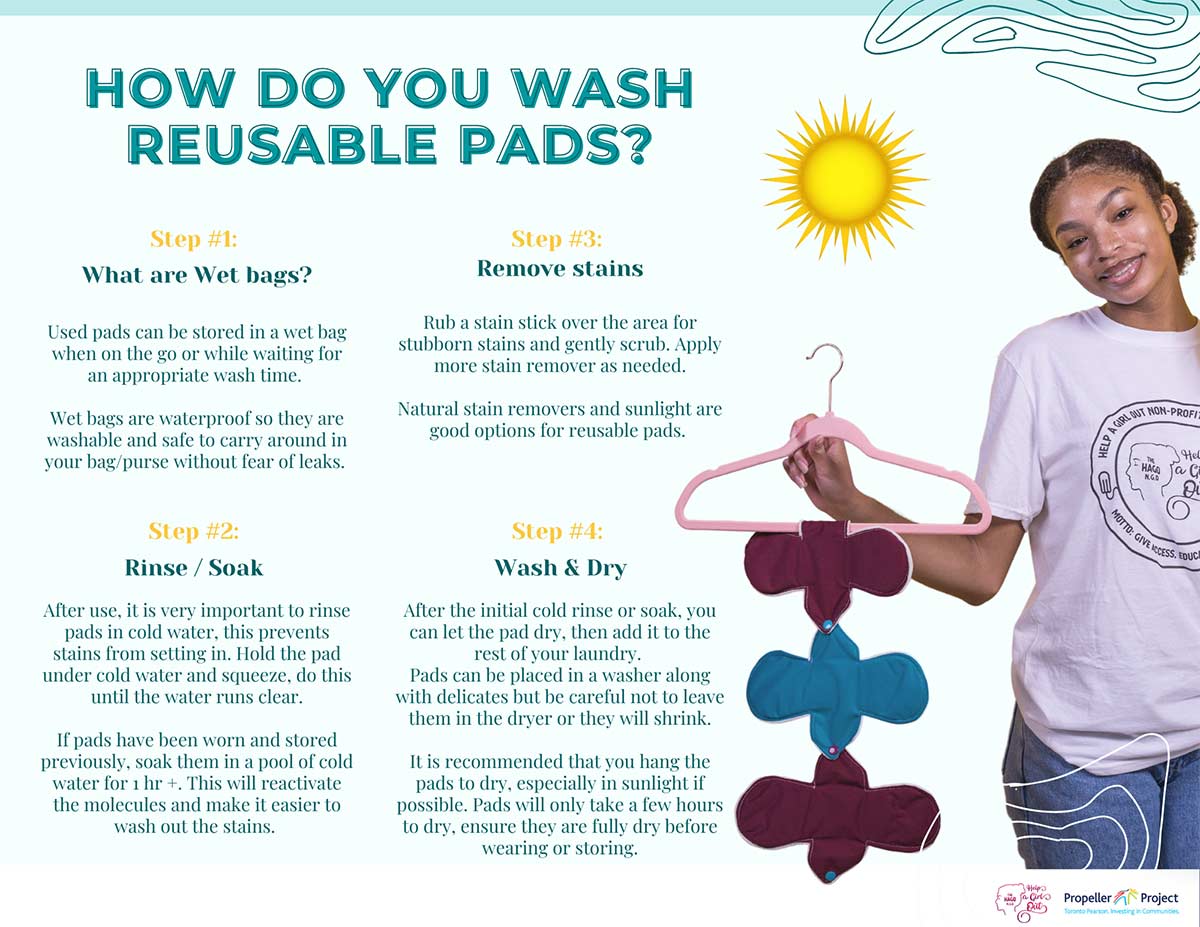
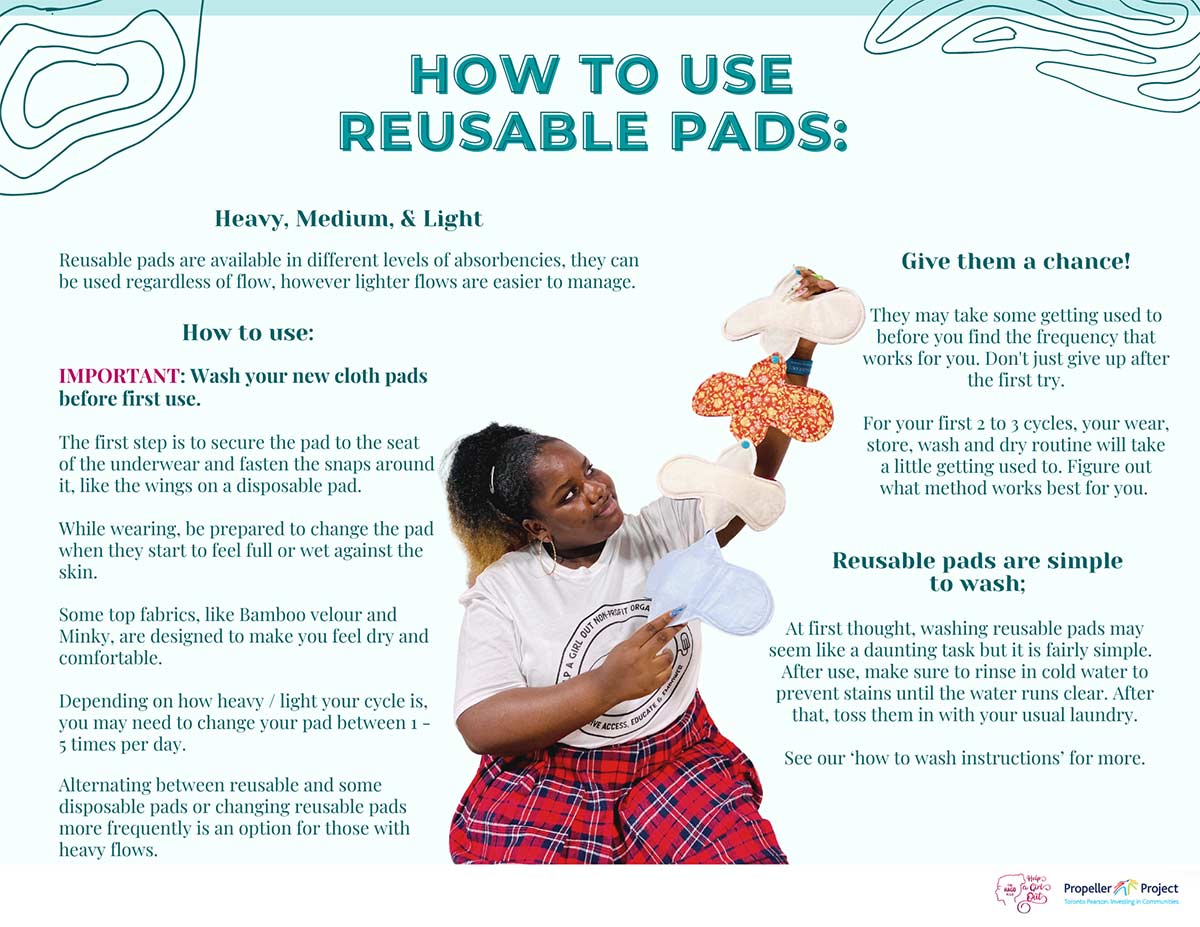
- Menstrual Hygiene and Product Options: Many adults have experienced only knowing about disposable pads or tampons as their only options for safe menstrual hygiene practices. For this reason, it’s important for young minds to be aware of their options for abiding by safe MHM practices that not only make good menstrual health a possibility for them, but also save money. In this, their options expand to menstrual cups (made from medical-grade silicone), reusable pads, and period underwear.
- Common Physical and Emotional Experiences: Not all menstrual experiences are going to look the same. Some can be more unpleasant than others, which might signal an underlying health condition that requires serious attention. Understanding the spectrum of normal premenstrual symptoms alongside abnormal pain or heavy bleeding allows students to get checked up for conditions like dysmenorrhea, endometriosis (or endo), or PCOS.
- When to Talk to a Trusted Adult or Healthcare Professional: Deconstructing taboos or fighting stigma isn’t a task meant to be wrapped up overnight. It’s a continuous process that demands seamless conversation around menstruation with peers, parents, school nurses, counselors, or healthcare professionals. The workshops help encourage students to openly discuss their queries concerning menstruation, menstrual health, or menstrual hygiene management.
- Menstrual Stigma and Respectful Communication: Holding conversations about menstruation isn’t enough; conversing with respect is needed. Too often, kids or even adults tend to treat the topic of menstruation as something that’s only restricted to menstruators. Affecting a considerable population all around the world, menstruation demands open communication that doesn’t compromise their respect or dignity and counters menstrual stigma at the same time.
Explore How Help A Girl Out is Helping Schools & Youth Programs to Spread Early Menstrual Health Education!
There’s only one thing better than education: timely education. Educators working to break menstrual stigma and ensure access to period products understand the importance and impact of delivering the right kind of information to prepubescent children.
Without timely education, students soon expected to undergo menarche are subjected to feelings of shame, confusion, and discomfort. The effort to spread early menstrual health education doesn’t just instill confidence; it prevents misinformation-driven unsafe menstrual hygiene practices from taking effect.
Help A Girl Out is an award-winning, Brampton-based non-profit, driven to establish menstrual equity by providing free menstrual products and spreading uterine and menstrual health literacy.
Join our cause and witness its impact in real time. For more details, reach out to our team today.
Frequently Asked Questions (FAQs)
Q1. Why is it important for prepubescent students to study the menstrual cycle?
It is important for prepubescent students to be well aware of the menstrual cycle as it’s integral to forming clear, evidence-backed perceptions about menstruation, fighting stigma, deconstructing taboos, ensuring safe menstrual hygiene management practices, and preventing feelings of shame, shock, and fear from surfacing upon the onset of menarche.
Q2. Is getting periods at 10 rare?
No, it’s not rare to get periods at the age of 10. Menarche (the first period) is considered to be early if it occurs at the age of 10 or before, whereas it’s considered late if it occurs at the age of 15 or later than that.
Q3. Is it normal for pubic hair to grow before breast buds?
Normal puberty for individuals yet to menstruate entails breast budding before pubic hair starts to grow. However, pubic hair growing before the breasts begin to bud is also considered a normal variation in a few cases. It’s recommended for parents or guardians to visit a healthcare practitioner for professional opinion if pubic hair or other signs of puberty are evident in their child below the age of 8.
Q4. Does school curriculum incorporate early menstrual health education?
The incorporation of early menstrual health education into the school curriculum varies widely on the basis of region, instructor, and the framework of menstrual health education. Prepubescent children usually remain unaware of body changes that often lead to unpleasant menarche experiences. Help A Girl Out’s school & youth programs offer comprehensive coverage through interactive workshops that not only provide essential information about menstruation before its onset, but also help students explore their menstrual hygiene management options without worrying about its affordability.