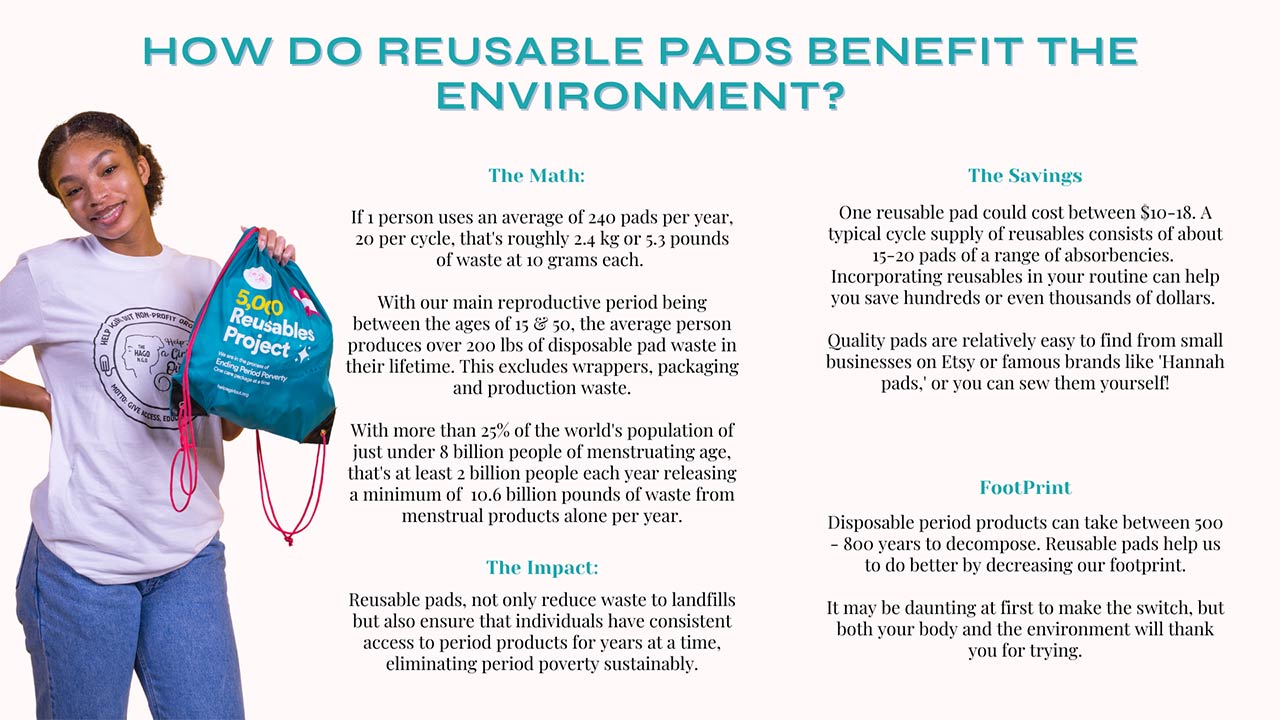



Managing menstruation with dignity is every individual’s fundamental right (WHO). Yet, the right to safe and dignified menstruation remains out of reach for many who lack access to basic period essentials. But this ‘poverty’ isn’t simply a lack of access to period products only; it’s a complex issue that goes beyond that.
Period poverty refers to the lack of access to period essentials, including menstrual products, sexual and reproductive health education, safe waste management, and sanitation facilities. It is a global phenomenon that affects nearly 500 million people who menstruate, among whom a small portion of Canadians (28%) have reported either a direct or indirect experience with the ability to afford menstrual products. Though period poverty is primarily associated with developing countries, it also remains a pressing matter in developed countries like Canada, where 1 in 6 individuals are directly affected. Here, period poverty isn’t just about the cost of a box of pads or tampons; it’s a crisis of education, health risks, academic excellence, work opportunities, and mental health.
In the view of prominent charities like Help A Girl Out, donating period products or making them cost-effective isn’t enough to solve the problem of period poverty as a whole. It is a systemic problem that demands a multi-faceted approach. Understanding the causes and consequences of period poverty can be the first step towards a better future for many who menstruate. Awareness contributes to advocating for pressing matters, drawing the government’s attention to policy features that need improvement, whereas spreading evidence-backed information highlights the urgent need to destigmatize periods and provide free products in public restrooms, schools, and shelters.
What Causes Period Poverty?
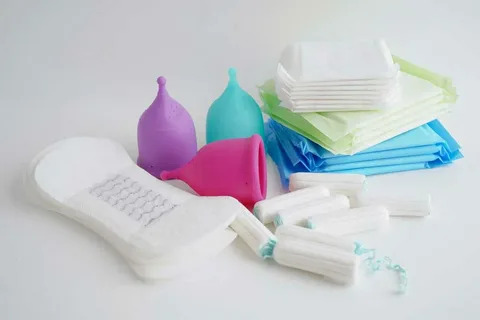
Educating oneself on a complex topic is strongly encouraged. To better address period poverty, it’s important to assess its causes. At the center of period poverty stands the high cost of living and rising inflation worldwide. In Canada alone, an estimated $6,000 is spent by individuals who menstruate over their lifetimes (National Library of Medicine). Even though period products, such as tampons, sanitary pads, menstrual cups/discs, or period panties, are considered essential for menstruating people, many are forced to spend thousands of dollars just so they can ensure a safe menstruating period. Those unable to afford them ultimately have to cut costs, while others must choose between buying period products and paying for food, housing, medication, and other essentials.
Beyond the primary cause, there’s systemic economic inequity that affects individuals in lower-income households, single mothers, indigenous communities, homeless populations, and those seeking a new start in Canada. Data from 2023 indicates that 25% of individuals who menstruate from lower-income households experience period poverty, with an overall 20% of Canadians expressing concerns about whether or not they’ll be able to afford period products within the following year. As for why this fear exists, there’s a simple answer: the gender pay gap. The disparity among non-indigenous, non-racialized individuals across all occupations, aged 15 and older, is 88:100, with women earning 12% less than men (Government of Canada). The disparity runs deeper for racialized women, who earn 21% less than non-indigenous, non-racialized men. Such an extent of economic inequity contributes to the unaffordability of basic hygienic necessities for those who menstruate.
A lack of evidence-backed information can also lead individuals to manage their menstrual cycle improperly. Considering how expensive basic menstrual products are for many people, unsafe use of makeshift menstrual products (such as loose cotton balls, newspapers, toilet paper, unsanitized rags, and disposable goods) has become the norm for a noticeable portion of the Canadian population. A study conducted within the Canadian province of Nova Scotia highlighted the direct impact of a lack of financial means to afford menstrual products; due to this, 37% of respondents resorted to unhygienic practices like reusing dirty rags and/or toilet paper, whereas 22% admitted washing and using used disposable menstrual products.
Despite the federal government of Canada’s 2015 veto of GST on menstrual products, 1 in 3 individuals (under 25 years of age) struggle to afford menstrual products (National Library of Medicine). But such pressing matters cannot be addressed when there’s a lingering social shame associated with menstrual health itself, as noted by charitable organizations like Help A Girl Out. As a matter of fact, periods are widely viewed as something shameful and dirty, and many who menstruate are unable to ask for help due to the stigma preventing open discussions regarding menstruation. Contrary to common belief, the cultural taboo isn’t an isolated issue; it’s a powerful causal force, with the potential to demand better menstrual equity policies in respective environments through advocacy. With this change, a considerable portion of the Canadian population can benefit from the availability, access, and affordability of menstrual essentials in public spaces, like schools, workplaces, food banks, and emergency shelters.
Impact of Period Poverty on Education
Understanding the causes of period poverty is one thing; recognizing its impact on education is another. When there’s a lack of access to menstrual products, menstrual literacy, sanitation facilities, and safe waste management, it creates a profound barrier to achieving academic excellence through consistent attendance and strong performance. Poor sanitation conditions (in general) are noted to be one of the prominent causes of holding back improvement in the education sector, concerning the students’ lack of access to a safe bathroom, prompting them to skip classes, miss learning time, and, in worse cases, drop out (University of Toronto). It also highlighted a greater degree of difficulty for individuals who menstruate, citing a lack of private washrooms, adequate access to water, and proper disposal for menstrual products.
While the rise in absenteeism is attributed to period poverty, it is also driven by a consequent decrease in students’ confidence and their willingness to participate in class. The stigma around menstrual health combined with a lack of resources is too often associated with embarrassment, lingering feelings of shame, and unexplained guilt. In one particular instance, 75% of individuals were reported to be worried about bleeding through their clothes, which is especially true when they are in public settings. This inability to ensure the clothes remain spot-free and the discomfort of managing menstruation with period poverty has directly impacted self-esteem for many menstruating people. Instead of focusing entirely on their studies, individuals who menstruate are forced to divert their attention to the ‘better way’ of concealing the existence of their periods.
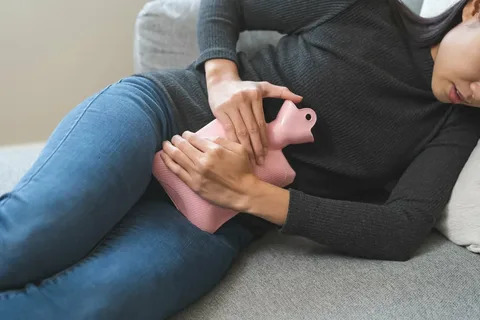
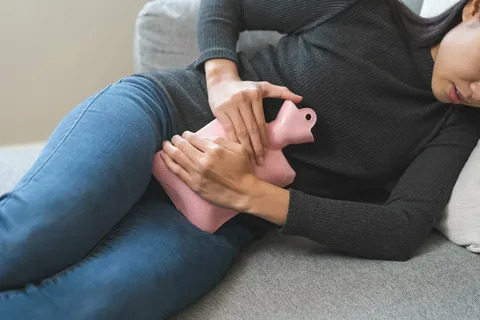
Experiencing menstruation is a painful experience in itself, with symptoms like cramping, pain, bloating, headache, and mood changes (WHO). Not only does it require constant changes for menstrual products, but it also demands attention for their correct placement. For example, a student comfortable wearing a pad would find it difficult to be confident that the pad is placed correctly without well-fitting underwear. As a result, many school-going individuals prefer moving as little as possible during their menstrual cycle. The relevance of this occurrence is potentially backed by an international survey, indicating that 68% of menstruating individuals avoided engaging in sports activities due to their period, which primarily refers to activities requiring extreme movements. Another study limited to a Canadian province estimated that 40% of students missed school, sports/gym, and other social activities during their period.
Nearly 25% of Canadian individuals aged 13 to 21 are inadequately educated about the biological process and management of menstruation. The WHO recognizes the impact of unmet needs for menstrual health care, which is a problem further enhanced by stigma and taboos associated with menstruation. Not only does it limit the opportunities and capacities of people who menstruate, but it also dims their potential and keeps them from leading a dignified life. If the stigmas surrounding menstrual health remain unaddressed, they may prevent open discussions, normalization of menstruation, and comprehensive menstrual health education (National Library of Medicine). The last factor holds immense importance because it counters harmful myths and taboos that surround menstruation, while also teaching individuals the right way to ensure menstrual hygiene through safe management techniques, helping prevent urogenital infections.
A supportive school environment can help menstruating individuals deliver a better academic performance and participate more in extracurriculars. For nonprofit organizations like Help A Girl Out, making menstrual products accessible in public spaces is one step closer towards eliminating financial burdens for low-income families and ensuring students are well-prepared for their menstrual cycle. Other than that, expanding awareness can also motivate administration(s) to work towards providing clean, private, and safe toilets with proper waste disposal facilities at schools.
How Period Poverty Influences Emotional and Social Well-Being
Period poverty doesn’t just prevent individuals from fulfilling their academic responsibilities; it also has a significant impact on their emotional well-being. More than just an assumption, individuals struck with period poverty are observed to avoid school due to a fear of embarrassment, all because they hold the belief that menstruation isn’t something to address or speak about openly. For this reason, you’ll observe how something as minute as an accidental period stain on their pants is often met with the urge to instantly cover it up, using a jacket or a neck scarf. If not, then the fear doesn’t fail to impact how often they go out, interact with their loved ones, or simply admit why they’re experiencing discomfort. This mindset limits people who menstruate from normalizing the occurrence and conversations concerning their menstrual cycle.
An individual (on average) menstruates 3 to 5 days a month, which makes up a small yet significant fraction of days where one may expect mood swings and other emotional challenges while experiencing physical pain. For many, staying indoors and an unwillingness to participate in social settings becomes a preferable coping method. In their mind, it’s easier to keep feelings of embarrassment to themselves than to explain it to others. Ultimately, they have no choice but to protect their peace in isolation. Considering how period poverty has the potential to drive an individual into loneliness, it’s widely advocated to be addressed with urgency. Not only does this practice contribute to isolating a person, but it also lowers their self-esteem. Nonprofit organizations advocating for menstrual education push for open conversations in order to enable individuals to promptly seek help and prevent dangerous health risks.
At the end of the day, it all comes down to one idea: to live with dignity. But period poverty prevents many from leading an unapologetic way of life. Instead of being able to afford basic menstrual necessities on their own, many are forced to ask others for help. Some request money while others ask directly for pads/tampons, especially in public spaces. To worsen it, around 43% of menstruating people have been bullied or teased as they sought help to access menstrual products. Besides struggling with emotional challenges of experiencing periods, feelings of shame and guilt also lower confidence levels of individuals while seeking outward help for accessing menstrual products due to period poverty.
How Period Poverty Affects Physical Health
The costly pricing or unavailability of commercial menstrual products has only contributed to making lives difficult for individuals affected by period poverty. Whether it’s about coming up with innovative ideas to make ‘workable’ alternatives for menstrual pads, tampons, or menstrual cups, or facing the consequences of trusting unreliable menstrual hygiene practices – people experiencing period poverty are the ones who suffer the most. While many primarily focus on controlling blood flow and making the alternative ‘leak-proof’, they tend to dismiss the danger posed by the wrong materials. These materials include unhygienic cloths, rags, leaves, paper, and other items that can absorb menstrual blood.
For example, materials like loose cotton balls (used as an alternative to a tampon) can easily tear and leave fibers inside the vagina, which causes severe infections and increases the risk of Toxic Shock Syndrome. On the other hand, using unsanitized pieces of cloth can introduce foreign bacteria directly into the body, leading to urogenital infections like bacterial vaginosis and urinary tract infections (UTIs). This issue worsens with limited access to safe, clean, and private spaces to change, wash, and dry/dispose of reusable/disposable menstrual products. Those who prefer wearing pads experience episodes of skin irritation, including chafing, severe contact dermatitis, and micro-abrasions to delicate tissue (due to scratching).
To avoid these problems, organizations like Help A Girl Out are working to make menstrual goods and other essentials accessible to individuals, regardless of their socioeconomic class and background. Our vast team of 100+ volunteers has conducted over 300 uterine and menstrual health workshops to fight the stigma through education, teach cost-effective ways to manage menstruation safely, and empower individuals to improve their physical, emotional, and psychosocial well-being. We believe that menstrual hygiene is a fundamental aspect of reproductive and overall physical health, which is why it’s important to prevent the spread of disease, preserve fertility, and lead a dignified way of life through safe menstrual hygiene practices.
The Wider Community Impact of Period Poverty
As long as something is impacting an individual on a personal level, it won’t have a wider impact on the community. This is a frequent thought to cross people’s minds, but it doesn’t hold much truth for those impacted by period poverty. If you need logic to support this, think of how every member of society plays an important and profound role in the workplace. One way or another, what they do and how they get things done has an impact on the nationwide economy. In Canada alone, 9.6 million women are employed (as of 2023), and yet a considerable percentage of those individuals are susceptible to losing opportunities at work during their days of menstruation.
The core reason for this problem is period poverty, with up to 77% of Canadians agreeing that menstruation affects people’s abilities to carry out daily tasks. A lack of period products or anxiety associated with managing periods may correlate to lost wages, decreased productivity levels, and stalled career advancement. This affects vulnerable members of the community, including youth, single mothers, indigenous people, racialized communities, people experiencing homelessness, people with disabilities, and gender diverse individuals. Clear as all things are, individuals didn’t choose for a biological phenomenon like menstruation to create hurdles in their career trajectory, for which additional effort is required to provide relief and ensure equity in workplace opportunities.
How Communities Can Help Address Period Poverty
One voice may not make a difference, but multiple voices speaking for the same cause surely can. Keeping that in mind, communities play a vital role in eradicating period poverty by ensuring everyone around them has dignified, reliable access to the essentials of menstruation – be it in the form of education, products, or sanitation facilities. This is achieved by dismantling social barriers surrounding menstruation while implementing targeted local initiatives, educational campaigns, and supportive policies, some of which are exemplified through:
- Improving Access to Menstrual Products: This includes installing free dispensers for pads and tampons in public spaces and local businesses; hosting product drives to collect unopened pads, tampons, and reusable cups to distribute in shelters; and advocating for relevant policy changes.
- Supporting Menstrual Health Education: With the aim of managing menstruation safely, comprehensive, evidence-backed education workshops are held in schools, community centers, and youth groups to address topics like the menstrual cycle, correct product use, and menstrual hygiene practices, while multilingual resources are also shared to cater to diverse populations.
- Reducing Menstrual Stigma: Trained community leaders (like our volunteers at Help A Girl Out) understand that communication is the best way to counter misinformation and reduce the stigma causing many individuals (who menstruate) to become excluded from society, which is why they encourage conversations in diverse gatherings, run public awareness campaigns, and advocate to provide workplace accommodations (like supportive leave policies and flexible break times).
- Strengthening Community Partnerships: Collaboration is an effective practice to amplify the impact of individual efforts, allowing local stakeholders to connect with each other to create coordinated period poverty initiatives and work with corporate sponsors for procuring donations that support the long-term growth of community programs.
- Encouraging Local Action: Communities can create a meaningful difference by forming coalitions to propose actionable solutions; creating opportunities for residents to participate in the cause by packing care kits, distributing supplies, or conducting educational workshops; and advocating for free products to be available in every changing facility.
Get in Touch with Help a Girl Out & Increase Awareness on Period Poverty!
No one chooses the struggles that come with period poverty. Something as simple as a comprehensive and engaging workshop can help individuals live with dignity while having access to safe menstrual hygiene practices.
At Help A Girl Out, we extend a hand of help to those who need it the most. Having conducted over 300 workshops in schools, communities, and corporate spaces since 2021, we are proud to play our part in increasing knowledge, reducing stigma, and improving access to menstrual essentials for individuals of all genders.
We aren’t asking for much, but your support. Join our cause to listen, connect, and care for those facing the consequences of period poverty. To make donations or get involved, visit us here.
Frequently Asked Questions (FAQs)
Q1. How to reduce/eliminate period poverty?
Period poverty isn’t an issue that can be ‘fixed’ instantly. Still, a combination of improving access to menstrual essentials (such as products, education, and sanitation facilities) and open conversations can help reduce stigma surrounding periods and bring policymakers’ attention to issues relevant to individuals who menstruate.
Q2. How does menstruation affect mental and emotional health?
Menstruation impacts the mental and emotional health of individuals through fluctuating levels of estrogen and progesterone, which affect neurotransmitters (like serotonin and dopamine) in the brain, otherwise known as the ‘happy’ hormones. During menstruation, individuals may experience mood swings, heightened sensitivity, crying spells, anxiety, brain fog, and significant drops in self-esteem.
Q3. Why aren’t pads and tampons free?
The goal to make period products accessible to everyone hasn’t reached full fruition, but it’s a work in progress. As of 2015, the Canadian government eliminated the GST on menstrual products, while several provinces, like British Columbia, mandated free menstrual products in public schools.
Q4. What is the period poverty social movement?
The period poverty social movement in Canada is a growing advocacy campaign to ensure menstrual equity, which fights to end economic burden, educational barriers, and social stigma surrounding menstruation. In simple terms, this refers to a state where menstrual products, education, and safe hygiene facilities are made accessible to everyone in need.