


Every individual has the right to a good state of well-being, and that also includes women, individuals who menstruate; people assigned female at birth (AFAB); transgender men, nonbinary people, and intersex people who possess female reproductive anatomy. But in order to exercise this right, one must understand the correlation existing between women’s health and women’s health education or information. In this, the term ‘women’s health education’ commonly refers to the practice of teaching about female biology, unique health conditions, and preventive care across an individual’s lifespan, under which individuals possessing female or reproductive anatomy qualify as the intended population. A negative impact on one aspect triggers and accelerates a similar impact on the other, where a lack of access to accurate information fundamentally stands at the core of this feedback loop.
You may not be aware of this yet, but access is among the components of universal health coverage (UHC), including effective coverage and need. The very state of all people receiving comprehensive quality health services upon need without worrying about financial costs can be understood as the core concept of UHC, where access has four dimensions, namely, (1) geographic accessibility, (2) availability, (3) financial accessibility, and (4) acceptability. Barriers arising from any of these dimensions or other factors (such as gender, ethnicity, language, age, physical and mental disabilities, and education levels) may show up in the form of unverified online sources (such as TikTok), hearsay, and rumors being believed out of desperation, instilling confusion and fear among individuals. In one particular study, hundreds of TikTok posts related to gynecological cancer were assessed, out of which 73% of the content was found to be inaccurate. Given that a majority of Canadians rely on news and information online rather than resorting to TV or radio, the practice raises concerns for dismissal or minimization of symptoms, particularly for women. When people don’t have access to accurate information, they are not able to make informed decisions about their health. For this reason, it can be deduced that accurate information is an indispensable factor to empower early disease detection, guide safe life-stage transitions, and help overcome historical medical gaps, along with fostering open dialogue and addressing patients’ individual health concerns – a claim also backed by experienced doctors.
To make informed decisions for their health, it’s important for individuals to have uninterrupted, seamless, affordable, and patient-centered access to accurate women’s health information that’s written or circulated in plain, everyday language free of confusing medical jargon, in accordance with different gender identities (individuals possessing female anatomy), age groups, literacy levels, and cultural backgrounds. While sexual and reproductive health rights (including access to contraception, fertility care, and safe abortion) remain central to women’s health, with the Government of Canada recognizing that the nation’s women (and all relevant individuals) deserve better access to sexual and reproductive health services, women’s health also extends to physical and mental wellness across a lifetime. Yet, many individuals continue to struggle with exercising their rights to abortion, fertility treatment, endometriosis care, and menopause support, due to significant barriers. The barriers interfering with access to women’s health include gaps in provider knowledge, training, and resources, stigma and discrimination, and geographic isolation. Beyond these core issues, there’s the impact of information gaps that directly affect women, girls, and all gender identities possessing female anatomy. Did you know? Many vital aspects of female physiology, menstruation, reproduction, and endometriosis have been historically subjected to deep social stigma and a severe lack of clinical research. With structural omissions, under-researched areas, and systemic data failures, affected individuals are subjected to unnecessary suffering, leading to delayed diagnosis, inadequate treatment, and lower-quality care.
All you need to know is that access to accurate women’s health information serves as the foundation for individual well-being, gender equality, and public health stability. Accessing trustworthy medical data and information allows women (and all relevant gender identities) to make decisions that better support the goals of lowering rates of preventable illnesses, reducing maternal mortality, and ensuring long-term health through reliance on guidance backed by scientific evidence. In the absence of information one may rely on, a systemic uncertainty is created that compromises individual wellness and safety. This is exacerbated by false digital narratives, predatory marketing, and unverified advice that fill the gap left by inadequate formal health education. To bridge this gap the right way, with the right tools, a measured response is needed. Efforts to improve the accessibility of women’s health information include, but aren’t limited to, using plain language and culturally sensitive context to break down complex physiological processes (through knowledge translation), and pairing it with hosting interactive workshops for better retention of information and learning of practical skills – where a thorough review and subsequent approval by reliable healthcare professionals can help back the initiative with clinical validation. Such measured responses not only equip individuals with appropriate knowledge, but they also enable their capacity to analyze, process, and apply health concepts to daily life with confidence. Self-assurance no longer allows patients to be passive recipients of care; it empowers them to become active advocates for their own treatment plans.
Note: Addressing information gaps alone isn’t enough to solve every health barrier, but gaining health literacy does make a difference in approaching healthcare.
Why Accurate Health Information Matters for Women and Girls
Not all information readily available on online platforms is reliable. More often than not, you’d come across bits and pieces of information that are either a product of AI-generated content, hearsay, rumor, predatory marketing, algorithmic amplification, commercial exploitation, institutional knowledge gaps, the historical dismissal of women’s pain, or just a combination of all. Turning to the internet for retrieving answers to symptoms that could actually be best assessed and diagnosed by a healthcare professional can look a lot like encountering a toxic mix of bad science and false promises. That’s the thing about well-projected illusions: if they’re good enough, they have the ability to convince you that a problem exists – when in reality, it doesn’t. As someone who is directly affected by women’s health information, it’s extremely important to make an informed choice to avoid trusting information in AI overviews or blogs without any reliable citation online. Most of the time, individuals surfing the internet get caught in marketing tactics that render them vulnerable to misinformation. Besides delaying timely diagnosis and subsequent treatment (relevant for 38% of women), women’s health misinformation also induces distress or anxiety in affected individuals (with 45% of women reporting it).
The only way to address this problem as a whole? Gaining health literacy.
Health literacy starts with understanding how the body works. It’s practically impossible for anyone to distinguish right information from wrong information while lacking foundational knowledge surrounding women’s health, which encompasses but isn’t limited to hormonal shifts of the menstrual cycle, the baseline mechanics of reproductive anatomy, and the normal variation of physical development. If women do not know what’s affecting their bodies, they won’t be able to spot the red flags commonly associated with misinformation rooted in pseudoscience and predatory marketing. The evidence to support this idea can be found in statistics indicating that women spend over 25% of their lives in poor health despite living longer than men (with the difference being 5.4 years). As a result of systemic neglect, affected individuals are left to deal with problems such as chronic pain, fatigue, untreated conditions, misdiagnosis, and being gaslit into believing that their symptoms are psychological. That said, the quality of access to basic health information and how well an individual is able to understand it are among the major components of exercising the right to good health, which, when paired with appropriate health services, amounts to health literacy. For this, the rule is quite simple: individuals who are well-educated in women’s health literacy are enabled to make informed decisions about their health, and those who aren’t become vulnerable to all sorts of misinformation circulating online.
But informed decisions concerning one’s health aren’t made in isolation; they’re a collective result of paying attention to the right things at the right time. In this, recognizing early symptoms of conditions that are uniquely or disproportionately affecting women (or individuals with female anatomy) has the potential to dramatically alter health outcomes through early intervention. Such conditions include, but aren’t limited to, endometriosis, polycystic ovarian syndrome, reproductive cancers, or premenstrual syndrome. While it’s true that navigating the healthcare system can be challenging, a patient informed about their health has the ability and communication skills to describe symptoms (such as heart disease) with more accuracy. Good health literacy reduces the chances of negligent healthcare providers gaslighting patients into thinking that their pain isn’t worth paying attention to. Did you know? Historically, women’s health issues have been ignored and sidelined (primarily due to less investment in care and research). For this reason, it’s a significant win for women and individuals with female anatomy that gaining accurate women’s health education has the potential to render and improve the understanding for their own bodies. The change is evident in the way individuals no longer simply vaguely describe symptoms, get a prescription, and go back home. Instead, they build confidence to pose targeted questions to their healthcare providers, asking what their prospective diagnosis is, why their bodies are reacting in a certain way, what kind of medicines they’re being given, and when would be an appropriate date for a follow-up checkup.
From the recognition of symptoms to building confidence to ask the right kind of questions, timely delivery of accurate women’s health information prevents systemic dismissal, delays, or misdiagnosis of an individual’s potentially serious health condition, which altogether amounts to the importance of accurate health information for women and girls.
How Misinformation Can Affect Women’s Health
As an individual who is only trying to improve the quality of their life by being more literate about their body, it’s imperative to protect oneself against misinformation concerning women’s health circulating through real-life and online channels. That’s right: whether it be the word-of-mouth from a trusted loved one that makes you resort to unproven or unsupported interventions for symptoms that have been persistent and causing you discomfort for a long time, or a blog you found online that lacked supportive sources, none of such information is worthy of your time or attention. The truth is, your personal assessment of unreliable advice and how you choose to proceed with it may backfire. If you spare a look around yourself, the immediate forms of media available (on the internet, for example) would be abundant in bringing all sorts of information to light. But just because a piece of information is readily available for retrieval doesn’t translate to its reliability – especially considering how women and individuals with female anatomy are more likely to comb through information online for specific health conditions and symptoms (82%), or treatment options (75%). To understand the problematic nature of this common practice, one may pay attention to how online media actually works. Common knowledge among chronically online users, it’s fairly easy to make any type of content go viral (the state of getting a considerable audience to engage with it), regardless of the level of accuracy it contains. This allows for a rapid spread of sensationalized claims, anecdotal miracle cures, and unverified horror stories (typically consisting of fake personal narratives) all over the internet, which unfortunately diverts attention from reliable health information available online and compromises adherence to evidence-based health advice in real life.
To help understand how misinformation circulating online differs from medical opinion, and its effects on one’s life, take a look at this table:
Common Misinformation Circulating Online |
What Medicine Says |
Consequences of Adhering to the Myths |
| “Intrauterine devices (IUDs) cause systemic damage and permanent infertility.” | Modern IUDs are safe, localized, and strictly reversible. | Unintended pregnancy from avoiding reliable contraception; psychological distress; severe anxiety |
| “Hormonal birth control pills are this generation’s cigarettes.” | Pills carry a minor blood clot risk but offer significant protective benefits (decreased risk of ovarian and endometrial cancers). | High rates of unplanned pregnancy; missing out on the therapeutic management of PCOS, PMDD, and heavy bleeding disorders |
| “Mammograms are unnecessary, and their radiation causes breast cancer.” | Mammograms use an extremely low, safe dose of radiation. They also remain the gold standard for detecting breast cancer earlier when it is most treatable. | Delayed cancer diagnosis; allows malignant tumors to metastasize (spread) unchecked; lowers survival rates |
| “Abortion causes breast cancer.” | No causal link between induced abortion and the development of breast cancer. | Extreme emotional trauma; unnecessary guilt; avoidance of essential healthcare (due to manufactured fear) |
| “Heart disease only affects older women” | Heart disease is the leading cause of death for women, can strike at any age, and pregnancy complications can elevate lifetime risks early on. | Ignored symptoms of a heart attack (which often show up in the form of atypical fatigue, nausea, or jaw pain in women) can lead to permanent cardiac damage or, in extreme cases, a preventable death |
| “Extreme menstrual pain and heavy bleeding are normal for women.” | Severe pain or heavy bleeding is not normal, and persistence may indicate a diagnosis of premenstrual syndrome, endometriosis, adenomyosis, or fibroids. | Years of discomfort suppression; progression of structural disease; severe iron-deficiency anemia (leading to chronic exhaustion) |
| “Acetaminophen use during pregnancy causes autism.” | No proven clinical link between therapeutic acetaminophen use and autism. | Untreated maternal fevers (which are known to pose a proven and direct threat to fetal neurological development) |
| “Taking Mucinex guarantees pregnancy.” | Robust clinical evidence does not support thinning of cervical mucus to guarantee conception (with studies being limited and anecdotal). | False hope; delayed fertility evaluations (for blocked fallopian tubes or ovulatory disorders) |
| “The vagina needs to have a pH-balancing cleaning product.” | Vagina is a self-cleaning organ; commercial scented pH balancers disrupt the delicate, natural biome of lactobacilli | Bacterial vaginosis, severe yeast infections, and chemical irritation; elevated vulnerability to catching sexually transmitted infections |
| “Drinking cranberry juice cures an active UTI.” | Cranberry juice contains a compound that may marginally prevent bacteria from sticking to the bladder wall, but it isn’t able to eradicate a full, active bacterial infection. | Progression to a severe kidney infection, sepsis, or requiring hospitalization and intravenous antibiotics |
As indicated by the table, the risks of relying on unverified sources of information extend far beyond simple misunderstandings. They manifest in the form of severe physical and psychological harm. Fortunately, access to accurate women’s health education helps counteract this prevalent crisis known as the infodemic. Be it public health organizations, clinicians, or community leaders, differences in how women and those with female anatomy identify symptoms and approach healthcare can be addressed by filling information deficits with clear, accessible, and empathetic communication. In this, backing all forms of information with reliable medical content and approval from recognized healthcare practitioners provides women with the foundational data necessary to make informed decisions about their own bodies and extract reliable information while restoring the fractured doctor-patient relationship previously subjected to confusion caused by misinformation.
8 Women’s Health Topics That Deserve Better Education
With the surge of misinformation circulating online and ever-advancing algorithms all over the internet, distinguishing facts from myths is a challenge in itself. But first, we need to dissect the root cause of the problem: the huge disparity in how women’s health has been perceived, treated, and approached in the past. Women and individuals with female anatomy have always deserved better, but systemic failures have not allowed the female body to be studied and made a part of the medical system’s design. A lack of inclusion (of the female body) into mainstream study of the human body has created gaps in the healthcare system that have affected every aspect of examination, data collection, diagnosis, and treatment.
This means that the robust research done about a majority of diseases and conditions has been based on the male body, due to which health concerns of those having female anatomy are often overlooked. This negligence wouldn’t seem as surprising considering how women’s health was treated as a ‘low priority’ subject in scientific and medical fields until the 1970s. Skipping to the present time, the National Health Research Development Program has recognized women’s health as a priority, which is reflective of Health Canada’s dedication to women’s health. The negligent attitude towards the well-being of women and the underrepresentation of their health has only created consequences for the health, safety, and quality of life of affected individuals. The symptoms for a specific condition diagnosed in men may show up differently in the female body, recorded to have led to misdiagnosis and delayed diagnosis of heart attacks and subsequently delayed treatment.
Be it invasive vaginal exams, normal delivery, cervical biopsies, diagnostic hysteroscopies, or IUD insertions, there has been a long history of normalizing pain and discomfort for women through sex-based pain management disparities, medical gaslighting, unsedated procedures, and diagnostic delays. An example of this can be found in the use of the speculum, the tool that has mostly remained unchanged since its original design from over a century ago (before antibiotics came into existence or anesthesia became a standard). Adding to this problem, medical schools around the US and Canada have reported inconsistent results regarding medical students being educated about women’s health outside of the reproductive system and breast cancer.
To assess the problem from a broader perspective, it can be deduced that closing the gap in gender-based information may help encourage women to exercise their right to a good state of health. Comprehensive women’s health education across several health domains is an essential part of ensuring lifelong wellness, early detection, and breaking persistent social taboos. Without further ado, here are eight women’s health topics that deserve better education:
- Menstrual Health and Menstrual Hygiene
- Puberty and Body Changes
- Reproductive Health
- Uterine and Gynecological Health
- Hormonal Health
- Sexual and Reproductive Well-Being
- Mental and Emotional Well-Being
- Preventive Health and Regular Checkups
1. Menstrual Health and Menstrual Hygiene
Knowing what menstruation is before reaching puberty remains a luxury for many menstruators around the world. Even though the mean age of menarche (first period) stands at 12.9 years in Canada, one can’t rule out the possibility that a menstruator’s body may be built differently from another’s. For many people, this phenomenon can look as simple as a child having menarche at the age of 10, whereas their friend undergoes the same process at the age of 12. This doesn’t necessarily indicate anything wrong with a child’s body; it only indicates that every body experiences menstruation differently based on biological and hormonal variations, genetics, environmental triggers, and lifestyle habits. One may believe that schools are enough to make a child know what they may expect as they near their puberty years (particularly for individuals who can menstruate), but that isn’t true. More often than not, essential menstrual health and menstrual hygiene education are subjected to social taboos and cultural subjugation. The delay in delivering appropriate women’s health information to affected individuals puts such individuals in a position where fear and anxiety become imminent components of emotional regulation as they deal with something new and unheard of, in the form of menstrual blood.
For this reason, it’s important for those responsible to educate young minds about the following aspects of menstruation:
- The biological mechanics of the menstrual cycle
- What counts as a ‘normal’ cycle and what doesn’t
- Comprehensive methods to track periods and their importance
- Identifying the signs of serious health conditions associated with menstruation (painful periods for dysmenorrhea, heavy bleeding for menorrhagia, and absent periods for amenorrhea)
- Knowing when the right time is to seek help from a healthcare professional
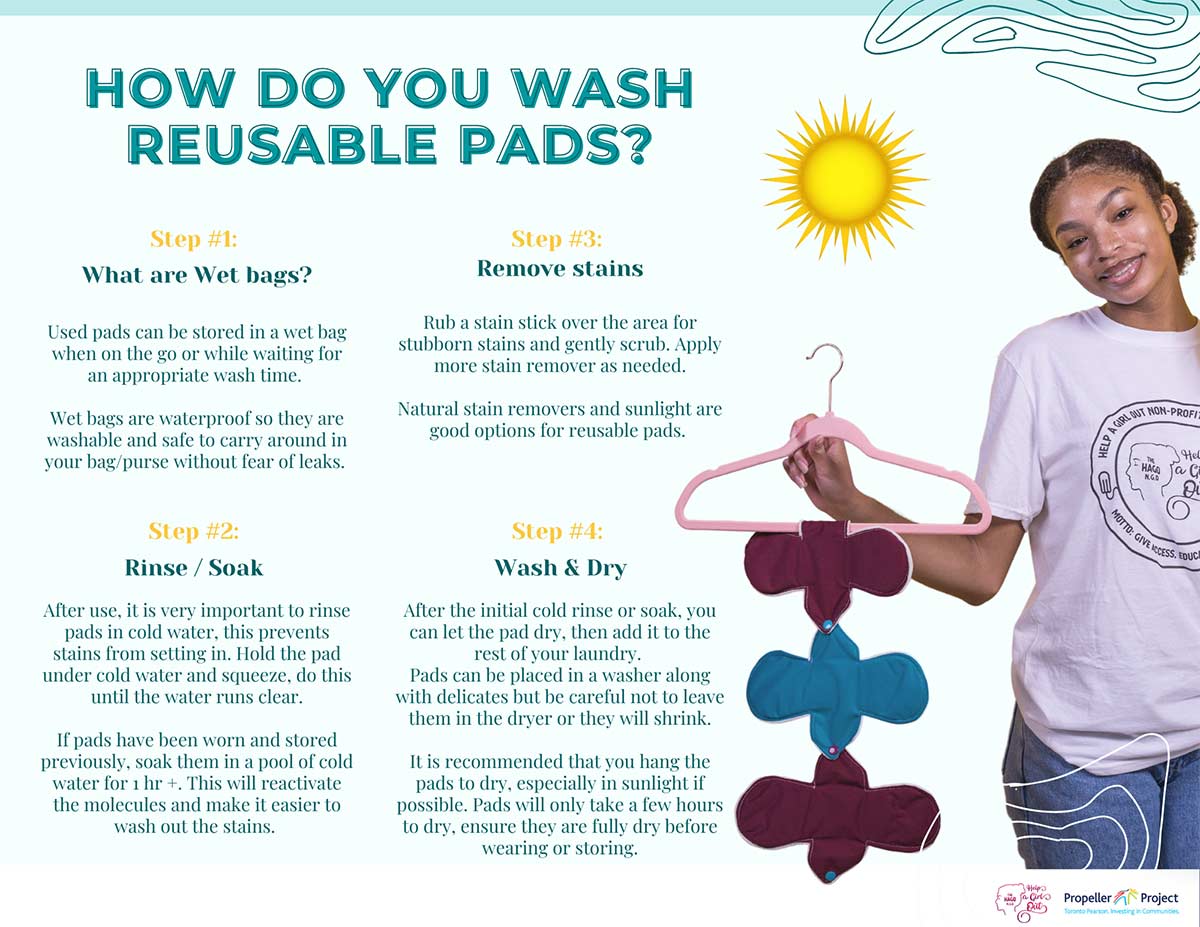
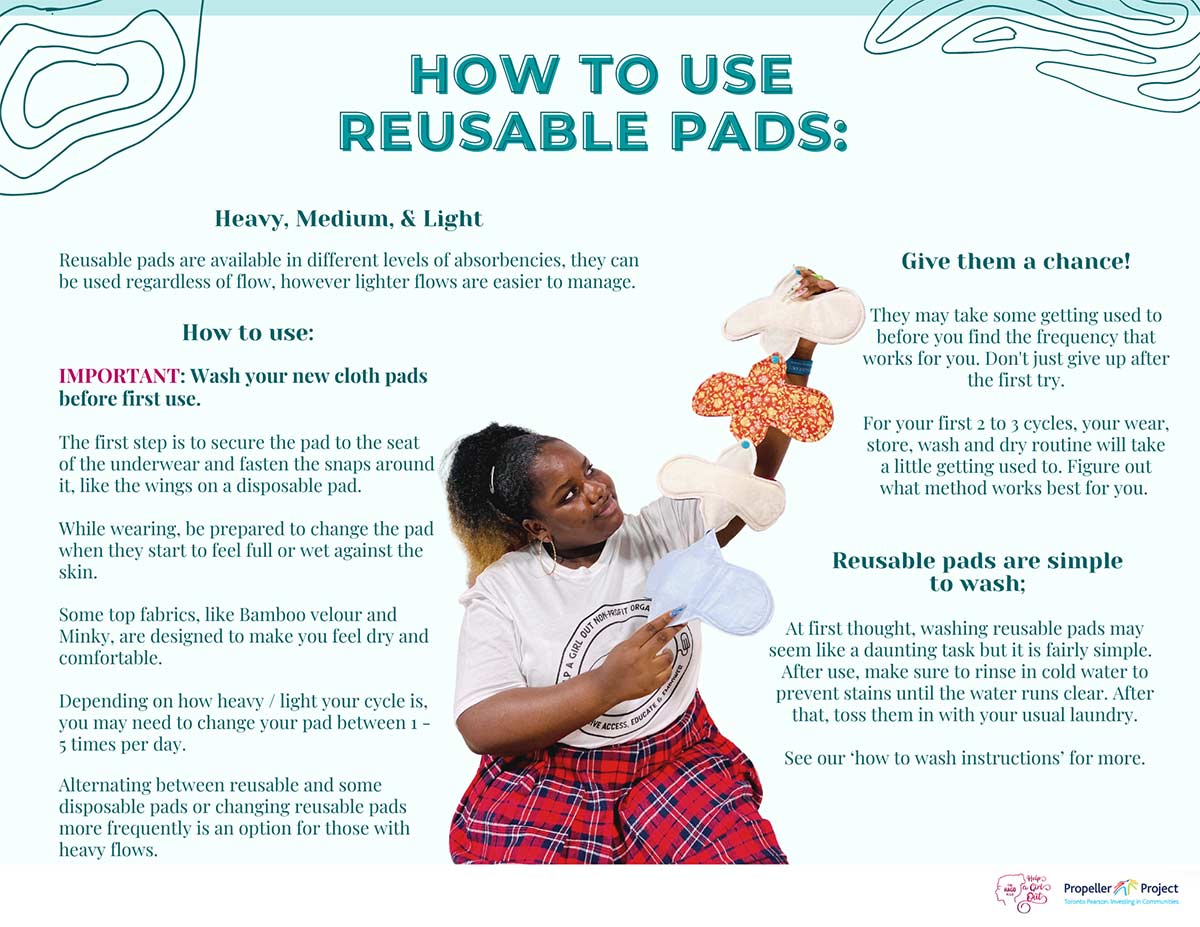
- Essentials of menstrual hygiene management, including how to use and safely dispose of a menstrual product (pads, tampons, menstrual cups/discs, period underwear, or reusable cloth pads)
- Basics of what period poverty is and how it can be addressed (menstrual equity)
- Gaining the courage to talk openly about menstrual hygiene products
2. Puberty and Body Changes
For women and individuals with female anatomy, puberty isn’t simply about the onset of menarche; it’s a process that is accompanied by a plethora of bodily changes. The breasts bud, pubic hair and underarm hair begin to grow, there’s vaginal discharge that’s not a period, the body begins to have a specific odor, there’s a growth spurt, the body distributes fat to make the silhouette even curvier, whereas acne and an oily skin texture also remain consistent. But the point of sharing this information is that the body does far more than change the way it looks; it continues to have an impact on one’s psychological well-being, too. The emotions are heightened, unpredictable, and difficult to manage – which is why many young people (with female anatomy) tend to experience irritability, sadness, and frustration during this time period. Without age-appropriate women’s health education in focus, these young minds may experience body dissatisfaction and social comparison as their bodies undergo rapid physical shifts in the form of weight gain, widening hips, and budding breasts. In this, the parents or guardians may share dialogues of affirmation, letting the child know that such changes are ‘normal,’ but words alone don’t satisfy a mind that’s caught up in repetitive cycles of confusion.
Considering how every other women’s health topic is treated as something that shouldn’t be the center of public discussion, it’s important for appropriate, puberty-focused women’s health information to reach prepubescent children so that they can live a life of dignity and confidence without feeling like they have lost control over their bodies. Below is a list of key puberty topics that need better education:
- The timeline and sequence of puberty (with focus on understanding the Tanner stages: thelarche, pubarche, and menarche)
- The concept of normal asynchrony (for breast and body hair) to prevent unnecessary anxiety about bodily asymmetry and pacing
- Distinction between the normal anatomy of breasts and abnormal lumps
- Appropriate structural care for the right kind of bra during specific activities (such as using a sports bra for high-impact exercises) to prevent tissue discomfort and neck strain
- The role of leukorrhea (clear, white/off-white vaginal discharge) in indicating a healthy sign of changing estrogen levels, to prevent being mistaken for an infection or a hygiene failure
- The basic understanding of the vagina as a self-cleaning ecosystem, educating the risks of using pH-balanced vaginal washes in the form of contracting bacterial vaginosis and yeast infections
- Destigmatizing puberty-induced acne by breaking down the working of sebaceous glands in overproducing sebum (in response to fluctuating hormones)
- A normalization of body odor, widening pelvis, and an increase in healthy, essential body fat in maturing a reproductive system (to prevent body dysmorphia and restrictive eating habits)
- How rapid bone growth can temporarily outpace muscle memory (leading to clumsiness or changes in spatial awareness)
3. Reproductive Health
The very start of life is through an individual’s reproductive organs, and yet, a majority of people remain unaware of the basics of reproductive health until they’ve been introduced to such concepts later in life. To start with, reproductive health education encompasses family planning, contraception options, fertility awareness, and the prevention of sexually transmitted infections (STIs). Due to the vague and surface-level women’s health education circulating (with a focus on reproductive health), many individuals remain unaware of how ovulation works, when pregnancy can occur, different birth control methods, and the science behind using protection during intercourse. While schools introduce the basics of safe sex through sex-ed classes, it’s not always guaranteed that every student in the batch is physically present or present-minded during the sessions. For this reason, the education system and changemakers within the community are encouraged to come up with strategies that ensure the content is thorough and attention-grabbing enough to fill the information retention gap that may arise in the absence of it. In addition to the essential bits of knowledge, supporting access to sexual and reproductive health services altogether acts as a vital component of advancing health equity for women and 2SLGBTQI+ communities.
To empower women and individuals with female anatomy to advocate for themselves in medical settings and manage lifelong health through the right kind of knowledge, here’s a list of topics under the broader category of women’s health information that deserve better education:
- How to identify the fertile window through cervical mucus patterns, basal body temperature (BBT), and tracking ovulation pain (mittelschmerz)
- Understanding the menstrual cycle as a vital sign for indicating non-reproductive issues, such as thyroid disorders, extreme stress, or metabolic dysfunction
- Comprehensive information on how different birth control methods work (hormonal and non-hormonal), associated side effects, and the difference between a pill-induced withdrawal bleed and a natural period
- Educating about complex reproductive disorders, such as polycystic ovarian syndrome (PCOS), endometriosis, adenomyosis, uterine fibroids, and gynecologic cancer – many of which can be identified through symptoms of extremely painful cramps, dyspareunia (painful intercourse), gastrointestinal distress, frequent urination, and heavy bleeding
- Basics of the vaginal ecosystem, dangers of vaginal douching, and ways to identify if one has contracted a vaginal infection
- Essentials of preconception wellness, the risk factors of infertility, and postpartum reproductive recovery, covering areas such as the safe age bracket for conception, postpartum bleeding, and hormonal crashes
- The science of the perimenopause window and its symptoms; menopause diagnosis; and long-term effects of menopause on an affected individual’s body
4. Uterine and Gynecological Health
The women’s health information that needs to be shared under the umbrella of reproductive health often overlaps with uterine and gynecological health, including the basics and detailed information on conditions like endometriosis, polycystic ovarian syndrome, and uterine fibroids. Many women and individuals with female anatomy spend years suffering from undiagnosed conditions, all under the idea that their pain is normal. For a considerable portion of society, heavy bleeding and pelvic pain are a commonality experienced by menstruating individuals. But the harms induced by such assumptions aren’t just limited to delayed diagnosis; they also entail the loss of time and life that could’ve been spent in comfort. But just because something has been going on for ages doesn’t mean it has to continue the same way.
Below you’ll find some of the subtopics of uterine and gynecological health that demand better focus, normalizing, and structured women’s health education.
- Awareness of chronic uterine and endometrial conditions, such as endometriosis, adenomyosis, and uterine fibroids
- Knowing what distinguishes a healthy pelvic floor from a hypertonic pelvic floor and pelvic floor dysfunction, which may be identified through urinary incontinence (leakage occurring when one coughs, laughs, or exercises), or pelvic prolapse (uterus or bladder slipping down into the vaginal canal)
- Tracking hormonal and ovulatory disorders beyond irregularities in menstrual cycles, understanding what PCOS and anovulatory cycles mean for systemic health
- Importance of symptom recognition, proactive screening, and prevention for cervical cancer, uterine cancer, and ovarian cancer through Pap smears, HPV co-testing, and HPV vaccination
5. Hormonal Health
It’s one thing to know that hormones control many functions in the female body; it’s another to recognize how disrupted hormones can affect the body. Hormones are major chemical messengers for the body. If they fluctuate, they adversely impact one’s health. Individuals keep addressing how stress, unhealthy diet, and a lack of sleep have become a frequent part of their lives, acknowledging how such habits are bad. Yet, what women and those with female anatomy often fail to realize (or be educated about) is the impact of such habits on their endocrine system. Did you know? Insomnia is reported to be one of the most common health complaints affecting women. Besides just affecting sleep, fluctuations in hormone levels often influence premenstrual symptoms in many people. In this phase, the body prepares for a potential pregnancy; in the absence of which, menstruation begins. While most women experience mild discomfort in their premenstrual phase, facing minimal or no disruption in their personal, social, or professional activities, 5% to 8% of individuals with female anatomy develop moderate to severe symptoms that subject them to significant stress and impair regular function.
Considering the detrimental impact of neglected hormonal health, here are several focus points that need to be incorporated into women’s health education and taught to the masses, especially those who are vulnerable to hormone-related health conditions:
- Understanding the relation between hormones and mental health through neurotransmitters, commonly found in conditions such as premenstrual syndrome (PMS), premenstrual dysphoric disorder (PMDD), perinatal and postpartum mood disorders (baby blues, postpartum depression, etc), and perimenopausal mental health risks (depression, anxiety, etc)
- The relation between hormones and metabolic efficacy through hormonal imbalance to explain how PCOS causes insulin resistance and also increases risk for Type 2 diabetes, high cholesterol, and cardiovascular issues
- How the pelvic floor relies on estrogen for structural integrity, with the reduction of estrogen (during menopause) being linked with tissue weakening
- Estrogen being a primary protector of bone density, with a drop in estrogen levels (during menopausal transition) increasing the risk of osteoporosis for women
- Estrogen as a natural buffer for blood vessels, with a drop in estrogen levels (during menopause) increasing the risk of cardiovascular diseases
6. Sexual and Reproductive Well-Being
We have already discussed reproductive health in # 3, so what’s the need to discuss it again? Many individuals would think that way, but there’s a stark difference that exists between both concepts. While reproductive health focuses on physical mechanics, organs, and the absence of disease or dysfunction in the reproductive and sexual systems, sexual and reproductive well-being expands to include a state of complete physical, mental, and social wellness. It honors bodily autonomy; provides safety from coercion or violence; exercises the right to mutual pleasure, respectful relationships, and positive mental health about one’s identity and body image. After all, sexual pleasure is a right, not a luxury; so it must be a positive experience for all concerned. Yet, many people remain unaware of their rights, setting boundaries, what healthy relationships look like, and the idea that personal pleasure isn’t anything to feel ashamed of. The reason behind this? Heavy stigmatization, under-researched areas, or frequent omissions from women’s health education. According to a 2022 study from the Canadian Women’s Foundation, 55% of individuals in Canada do not fully understand what consent means (in the context of sexual activity). Considering how a gap in understanding what consent truly means could lead to an assault and shift blame on abuse survivors, it’s important to work towards spreading education that delivers what consent means and effectively prevents abuse regardless of age. Statistically, individuals belonging to any of these categories indigenous, living with disabilities, 2SLGBTQIA+, and youth are at a higher risk of sexual violence, with 30% of all individuals with female anatomy having been recorded as victims of assault outside of an intimate relationship (over the age of 15).
It’s not that women don’t have rights to all the good things that life has to offer; it’s the fact that their access to essential women’s health information remains restricted. While social vulnerabilities play a big role in allowing countless nonconsensual acts to be committed against women, such as forced marriage, female genital mutilation, trafficking, and sexual abuse, a lack of self-informed education also restricts women from realizing the seriousness of such harmful practices through the barrier of normalization. In this light, it’s mandatory for vulnerable individuals to have reproductive and sexual health education of the highest standard.
More than a simple choice, it’s a need for women to be well aware of the following areas to fully advocate for their own physical, emotional, and relational health:
- Enthusiastic consent, different types of sexual coercion, and ways to establish personal boundaries
- Understanding how the anatomical, hormonal, and psychological sexual health needs for 2SLGBTQIA+ can be addressed past heteronormative assumptions
- The anatomy of the clitoral network and understanding how the organ is entirely dedicated to pleasure
- Sexual dysfunction disorders, such as hypoactive sexual desire disorder (HSDD) or the inability to achieve an orgasm, are medically recognized and treatable (and do not indicate personal failures)
- How pelvic floor muscles impact sexual response, pleasure, and conditions (vaginismus or dyspareunia)
- Intimate pain and chronic vaginal conditions like vulvodynia and vestibulodynia
- How to tell the difference between standard infections (yeast and bacterial vaginosis) and non-infectious conditions, such as cytolytic vaginosis, desquamative inflammatory vaginitis, or lichen sclerosus (a dermatological issue)
- Pelvic congestion syndrome (which is often misdiagnosed as IBS or generalized anxiety)
- Understanding contraceptives according to their efficacy, side effects, and benefits
7. Mental and Emotional Well-Being
What goes on inside your body, one way or another, affects your mind. That said, mental health is deeply connected to physical and hormonal changes across an individual’s life. Be it postpartum depression, premenstrual dysphoric disorder, or generalized anxiety, these issues often compromise the mental and emotional well-being of women. While the symptoms for these conditions are often dismissed as being moody or just experiencing the ups and downs associated with having female anatomy, proper diagnosis allows for real medical issues to be discovered and treated within a safe timeframe. In the United States, 3% to 5% of individuals are diagnosed with generalized anxiety disorder, with the majority being women or individuals with female anatomy. Shifting the lens to the Canadian public, it is estimated that 2.4 million individuals will report symptoms consistent with the diagnosis of generalized anxiety disorder (GAD) in their lifetime, with the condition, again, affecting a larger population of women as compared to men. Societal expectations that tend to associate ‘being emotional’ as feminine attributes often overlook the underlying factors of such mental and emotional distress and how it affects women differently. But the truth is, the experiences of women concerning stress and subsequent coping mechanisms are shaped by social and cultural contexts that impact their emotional and psychological well-being.
With women’s health education, affected individuals begin to feel empowered as knowledge validates their emotional challenges and encourages individuals to seek therapy, counseling, or community support without fear of judgment or shame. To attain an improved state of mental and emotional well-being, here is a list of topics women and individuals with female anatomy need to be educated on:
- Relationship between mood and hormones, especially evident during phases of puberty, postpartum recovery, and perimenopause
- How to recognize physical pain and mental distress instead of dismissing the pain as a regular occurrence
- The right way to log sleep, mood, and cycle changes (as the self-collected data helps healthcare practitioners find hidden imbalances early and clearly)
- Understanding what intrusive thoughts are, why they arise, and how individuals can help counter these thoughts with positive affirmations
- Brain fog and memory slips during midlife are linked to hormonal shifts (so they don’t indicate permanent cognitive decline)
- Validation of grief and uncomfortable emotions/experiences, consistent with events such as miscarriages/abortions and infertility struggles
8. Preventive Health and Regular Checkups
Women and those with female anatomy usually struggle with their pain and continue to prioritize other things in life, which is a practice primarily driven by a systemic failure within the medical system that dismisses their pain, misreads their symptoms, or diagnoses their conditions too late. But healthcare isn’t something that needs to be accessible only because someone belongs to a certain sex. It’s a fundamental right and must be practiced by all, especially during moments of discomfort. Considering how the medical system wasn’t designed with women in mind, it’s likely that a great portion of avoidable and/or treatable health conditions go unchecked for years. Ideally, the approach should be to observe the discomfort, assess its severity and frequency of occurrence, and seek professional help and care accordingly. However, a lack of appropriate women’s health education shared among the masses has amounted to an increase in late detection of serious illnesses. To exemplify this, one may try to understand the psyche of an older woman. She’s in her 60’s, but she has spent her childhood in an environment where speaking openly about private parts of the body or ‘women’s issues’ was stigmatized. So, what does such a woman do when she feels discomfort in her pelvis and lower back? There is a high chance she continues to ignore the problem until it becomes unbearable, addressing it only when she has entered a much more advanced stage of a serious illness, say, cervical cancer. In retrospect, it has been estimated that the lives of nearly 4,000 women would be saved if 90% of the female population received appropriate screenings for breast cancer and chlamydia, along with 30,000 cases of pelvic inflammatory disease to be prevented.
But it doesn’t take a particular statistic to convey the message that preventive health and regular checkups can help decrease the mortality rate of women through proper care within a safe timeframe. It is an understood fact. So, to effectively ensure long-term well-being, the following aspects of women’s health information must reach women of all age groups:
- The importance of routine checkups and screenings
- Demystifying the taboos associated with diagnostic imaging machines (X-rays, ultrasound, CT scanners, ferromagnetic detection system, etc)
- Understanding the purpose of Pap smears, human papillomavirus (HPV) tests, and pelvic exams to prevent cervical cancer
- Details on benign or malignant conditions and disorders through symptom identification
- Breaking down the taboos of vaccination, explaining its safety, and making sense of its indispensability for various health concerns
- Proactive measures to strengthen bones and muscles through adequate intake of calcium, Vitamin D, and a healthy diet, along with weight-bearing and progressive resistance training
- Understanding autoimmune diseases such as Lupus, Rheumatoid Arthritis, and Hashimoto’s Thyroiditis and being educated on systemic, fluctuating early signs, evident through symptoms of chronic joint pain, unexplained rashes, and profound fatigue
- Proactive measures to reduce the risk of developing Alzheimer’s disease through modifiable lifestyle risk factors, including sleep hygiene, cognitive engagement, and treating mid-life hearing loss or high blood pressure to optimize brain health early in life
How Better Health Information Supports Young People
One can know and understand all the things that need to be made an indispensable factor of women’s health education, but it takes a lot more to implement the knowledge in daily life. From extracting accurate information from an infodemic-influenced internet to recognizing symptoms for potential health issues and seeking prompt care, every step plays a role in ensuring all individuals (especially those with female anatomy) get better access to timely healthcare services and live a better life. Yes, women have been underrepresented in health research, and historical exclusion has only contributed to the suffering of women through gaps in knowledge of female-specific conditions, diagnosis, and treatment; but such barriers are slowly being addressed and eradicated by governmental efforts (evident through Women’s Health Strategy) by striving to attain equitable outcomes for both individuals with male bodies and individuals with female bodies. While it’s true that an overall systemic change is needed to bring the focus of the medical system onto women’s health and well-being, small efforts can also help achieve this goal. One may start by actively working towards achieving health equity at the forefront or do the same by supporting organizations (like Help A Girl Out – HAGO) that ensure the right kind of information (high in accuracy) reaches the right kind of audience (women and those with female anatomy).
To break it all down, access to accurate women’s health information is a fundamental right, given the systematic identification and consequent elimination of inequities concerning health. It surpasses medical issues and branches into a broader issue where bodily autonomy, personal dignity, and public health are altogether paid due importance. Individuals who have female anatomy have been the focus of turned heads and raised eyebrows since the dawn of time; so if they ever brought a health issue to light, it became a practice that was frowned upon, especially if the health issue concerned their privates. If one observes how menstruation is perceived in society, they’ll find the topic to be enveloped in cultural silences, taboos, and misinformation that have only led to systemic subjugation, period poverty, and suboptimal menstrual hygiene practices that have been recorded to compromise the health of menstruators. Not just menstruation, but even the basics of puberty aren’t shared with women or those with female anatomy before their bodies have started to undergo puberty-led body changes. Now, what a lack of age-appropriate essential education about one’s own anatomical changes does is that when the time comes for the onset of menarche (the first period), young girls can’t help but feel anxious, scared, confused, and develop negative feelings towards the existence of periods themselves. For this reason, it’s important for essential women’s health information to reach women and individuals with female anatomy, regardless of what stage of life they’re in. As a result, young people benefit from anticipatory guidance and practical education that frames menstruation as a healthy, predictable sign of physical growth.
Introducing early health literacy for women through interactive workshops, comprehensive teaching, and educational tools needed to spread the right kind of information one may implement to practice a healthier lifestyle, nonprofit organizations like Help A Girl Out are making a difference in how young people approach and access accurate information as a whole. Their approach is centered upon one core idea: women’s health information doesn’t just concern women, it concerns men too. Leading with the idea that stigma doesn’t simply arise on its own, but grows when information about a specific gender is withheld, HAGO’s outreach program targets individuals of all genders in an effort that aims to establish menstrual equity by addressing stigma and taboos through fostering healthier and considerate environments. In this, their standard workshop topics cover broader conversations around menstrual health, empowerment, and leadership topics specifically designed for schools, youth groups, and community organizations, narrowing down to developing an understanding of period poverty, menstrual products, uterine illnesses, sustainable ways to support menstrual health, the impact of period poverty on one’s mental health, and a lot more. In this manner, the participants of the workshop are encouraged to ask questions and feel comfortable in the environment in such a way that ensures they do not feel hesitant in addressing their queries about particular topics that would otherwise leave them confused in a traditional classroom setting.
What Makes Women’s Health Information Trustworthy?
It’s not easy to tell what information is correct and what’s not, but gaining a bit of perspective surely helps taking a pause and re-evaluating your options. In order for health data to be reliable for women today, it must be important for each source to explicitly state that the study included female participants. By focusing on distinct physiological differences attributed to the female anatomy and the effect of treatment plans, it sets the core basis for information to be reliable in the first place. Besides that, there is a variety of qualities that can indicate women’s health information is trustworthy over the internet and/or in real life; some of these are:
- Evidence-Based Information: High-quality women’s health data must be first and foremost grounded in objective facts derived from rigorous scientific research, clinical trials, and systemic medical reviews that counter historic gaps in trial representation. This means the information must be free from hearsay and unproven ‘miracle cures’, should be recently written and updated, and backed by hyperlinks or footnotes from credible sources.
- Clear and Understandable Language: Medical terminology can be tough to understand for individuals from the general public, so it’s important for healthcare authorities and organizations to translate complex physiological concepts into plain, universal language. A simpler language may be defined by simple, understandable words in a specific language, where information can be shared with the masses through channels of multiple widely spoken languages, such as English, French, Hindi, Arabic, Spanish, and Mandarin (just as HAGO incorporates in its Education for Menstrual Equity curriculum).
- Information From Qualified and Credible Sources: The origin of the information holds the most importance, indicating its validity. Trustworthy resources to back every aspect of medical information include certified medical specialists, credentialed clinicians, and established healthcare institutions. In this, the websites of reputable healthcare institutes, government, or news outlets may qualify as credible sources women extract relevant information. Check the URL of such websites and look for spelling errors in it (which might indicate a website posing as an unreliable substitute for a credible one). For more details on how to identify reliable sources online, read further on the Indiana University Health website.
- Appropriate Context and Limitations: When looking at statistics, it’s important to understand that a certain statistic isn’t a proven fact, but something that is largely observed to be true for a specific sample size. The boundaries of data must be openly acknowledged by reliable resources, which may occur in the form of variables concerning age, gestational status, and reproductive history. So, always check for the words ‘further research is still required’ (or anything remotely close to the proposed idea) to understand that the author has not made any elaborate claims for the research’s findings to be universally true for all bodies, but protected the reader from assumptions.
- Information That Encourages Professional Support When Needed: No matter what kind of information you find online through websites and sources having high credibility, none of them can substitute for direct clinical evaluation. Finding trustworthy information is just for the individual’s own understanding of their symptoms and assessing the right kind of healthcare specialist to be appropriate for their individual health concern. Not just that, but it also provides them with an adequate set of knowledge needed to effectively communicate their health concerns with their primary care doctors. In a way, reliable women’s health information positions itself as a supplement instead of a final authority, which empowers women to engage in a shared medical decision rather than just getting a prescription.
Read How to Find Reliable Information Online for a detailed overview explaining the do’s and don’ts of extracting health information through online platforms.
How Schools and Communities Can Improve Women’s Health Education
Education starts at home, but a school’s environment is what truly shapes it. That said, schools and communities have a collective responsibility to make efforts that further support the cause of improving women’s health education. To make a lasting impact, schools are encouraged to integrate comprehensive, age-appropriate reproductive and hormonal health education into their standard curricula rather than limiting sex education to basic anatomy or disease prevention. For students, this means that teaching students about menstrual health, endometriosis, PCOS, and the nuances of hormonal fluctuations while acknowledging physiological, emotional, and mental struggles from a young age helps destigmatize normal biological processes and makes room for early medical intervention. On the other hand, communities play a vital role in filling information gaps that institutional schooling might miss (with students out of school or those navigating different life stages). Spaces such as local community centers, libraries, and public health departments can be used to host regular, free workshops led by changemakers, such as HAGO (with support from healthcare practitioners) to address topics that are frequently overlooked.
Without further ado, here’s a brief list of what schools and communities can do to improve women’s health education:
- Providing Age-Appropriate Educational Resources
- Offering Menstrual Health Workshops
- Creating Safe Spaces for Questions
- Connecting Young People With Trusted Resources
- Partnering With Community Organizations
This blog has wrapped up all one needs to be aware of when it comes to women’s health education, but more needs to be done for its implementation. With this, you now know why accurate health information matters for women and girls, and how reliance on misinformation has the tendency to adversely affect women’s health. While the information provided is crucial for one’s well-being, it cannot substitute for professional healthcare evaluation and advice.
So, if there’s anything causing you discomfort lately and you have been putting off that issue for long, it’s about time you pay a visit to a reliable healthcare practitioner. Our team at Help A Girl Out (HAGO) is fully supportive of our broad community of changemakers to spread the word of accessing accurate women’s health information and connect those seeking help with the right resources when needed.
Help HAGO in Spreading Accurate Women’s Health Information!
Attaining a good state of well-being isn’t a luxury, but a right. Due to a variety of barriers concerning gaps in provider knowledge, training and resources, stigma and discrimination, financial stability, and geographic isolation, women’s health education is greatly affected.
Considering how many women and individuals with female anatomy are unable to exercise their right to good health, it’s important to fill information gaps with accurate, evidence-based knowledge. At Help A Girl Out, we understand more than just the value of accurate women’s health information; we realize the impact of a lack of access to such information among the masses.
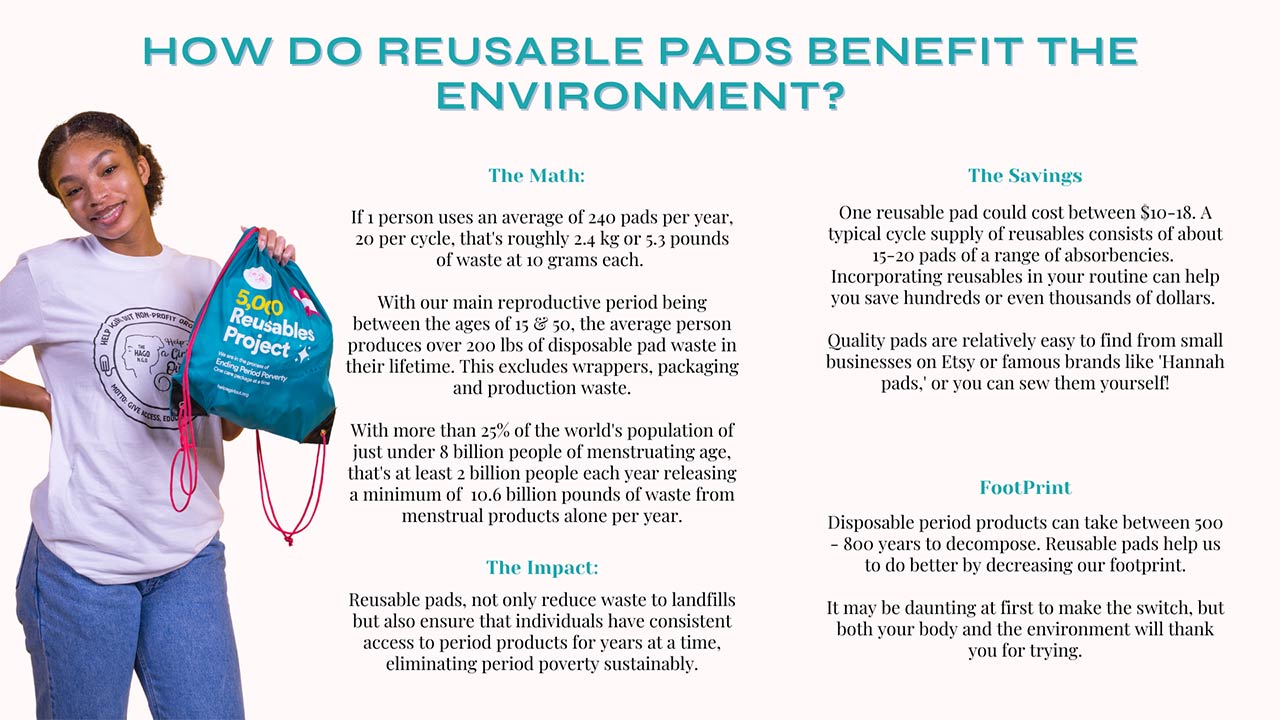
Paying attention to what remains unseen, we address what needs to be addressed. Our programs to establish menstrual equity entail a variety of initiatives, including educational workshops; The Resusables Project, teaching sustainable menstrual hygiene management methods; and the Period Product Support Program, the frontline program providing 1-3 months’ worth of period essentials to the most vulnerable communities.
So, are you ready to scale our impact together? Join our cause today!
Frequently Asked Questions (FAQs)
Q1. Why is it important to focus on women’s health?
Shifting the focus to women’s health is essential because medical research has historically prioritized male physiology as the default, which means the symptom onset, perception, clinical evaluation, diagnosis, and treatment plans are likely to affect female physiology differently. This neglect has led to delayed diagnosis, misdiagnosis, higher rates of adverse drug reactions, and worsening of health conditions in women.
Q2. How is women’s health different from men’s health?
Women’s health differs significantly from men’s health due to distinct biology, hormones, disease symptoms, how the body processes medications, and historical gaps in medical research.
Q3. What are the most significant barriers to women’s health?
The most significant barriers to women’s health include: (1) systemic gender bias in medical research, (2) clinical bias, (3) socioeconomic inequalities, and (4) underfunding. Together, these barriers have created a persistent gender health gap that keeps women from exercising their right to a good state of health through credible women’s health information and resources.
Q4. Why do we know so little about women’s health?
The world doesn’t know much about women’s health as it knows about men’s health because medical science has been historically known for using male bodies as the default standard, which barred female bodies from clinical trials for decades. This didn’t change until the 1990s.