


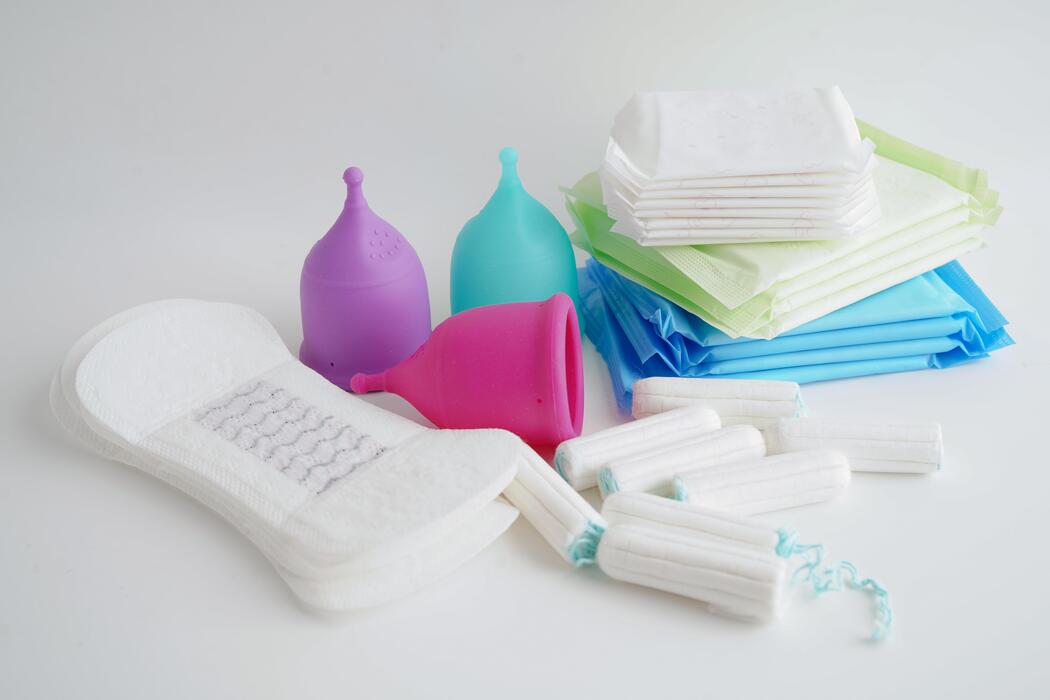
A significant global population menstruates every single month, but only a few understand what menstrual product access truly means. Some say it’s simply about products being affordable for menstruators. Others believe that ‘access’ implies period products are geographically available to individuals during their menstrual cycle. Instead of going in circles, let’s break the facts down. Menstrual product access is not just limited to having an adequate supply of period products (usually disposable) for the current month. Rather, it’s about long-term security, freedom of choice (for menstrual products), and preservation of dignity through the right kind of menstrual products.
Within the broader category of menstrual hygiene management (MHM), menstrual product access means that every menstruator has uninterrupted, seamless access to reliable period products (and facilities), regardless of financial, geographical, or social barriers. According to a 2023 survey, 34% of menstruating Canadians (under the age of 25) struggle to afford menstrual products. As obvious as things are, it isn’t entirely possible to achieve true menstrual product access with single-use, disposable MHM supplies, given their high costs and ongoing inflation. Considering how conventional single-use pads or tampons don’t fit the criteria for long-term accessibility and cost-effectiveness, attention is turning to reusable menstrual products to meet these requirements.
Available in a variety of collection and absorbency-based mechanisms, reusable period products surpass basic disposable management by preventing financial strain and ensuring the physical and psychological comfort of menstruators, enabling a fulfilling, healthy way of life. The one potential approach to (1) reduce the need for repeated purchases, (2) provide long-term menstrual care, (3) reduce dependency on disposable MHM products, (4) lower long-term costs, (5) reduce waste, and (6) support community-based menstrual health initiatives altogether lies with making the switch to reusable menstrual products. Though expert observations indicate that reusable period products are a good MHM alternative for every menstruator, they work best when paired with access to basic components of menstrual equity, such as education, water, sanitation, privacy, and cleaning facilities, including products compatible with their individual needs.
What Are Reusable Menstrual Products?
Reusable menstrual products serve the same purpose as disposable period products, only better. Also known as sustainable menstrual products, reusable alternatives include cloth pads, menstrual cups, period underwear, and reusable menstrual discs, all designed for extended use. Here’s a brief overview for each of them:
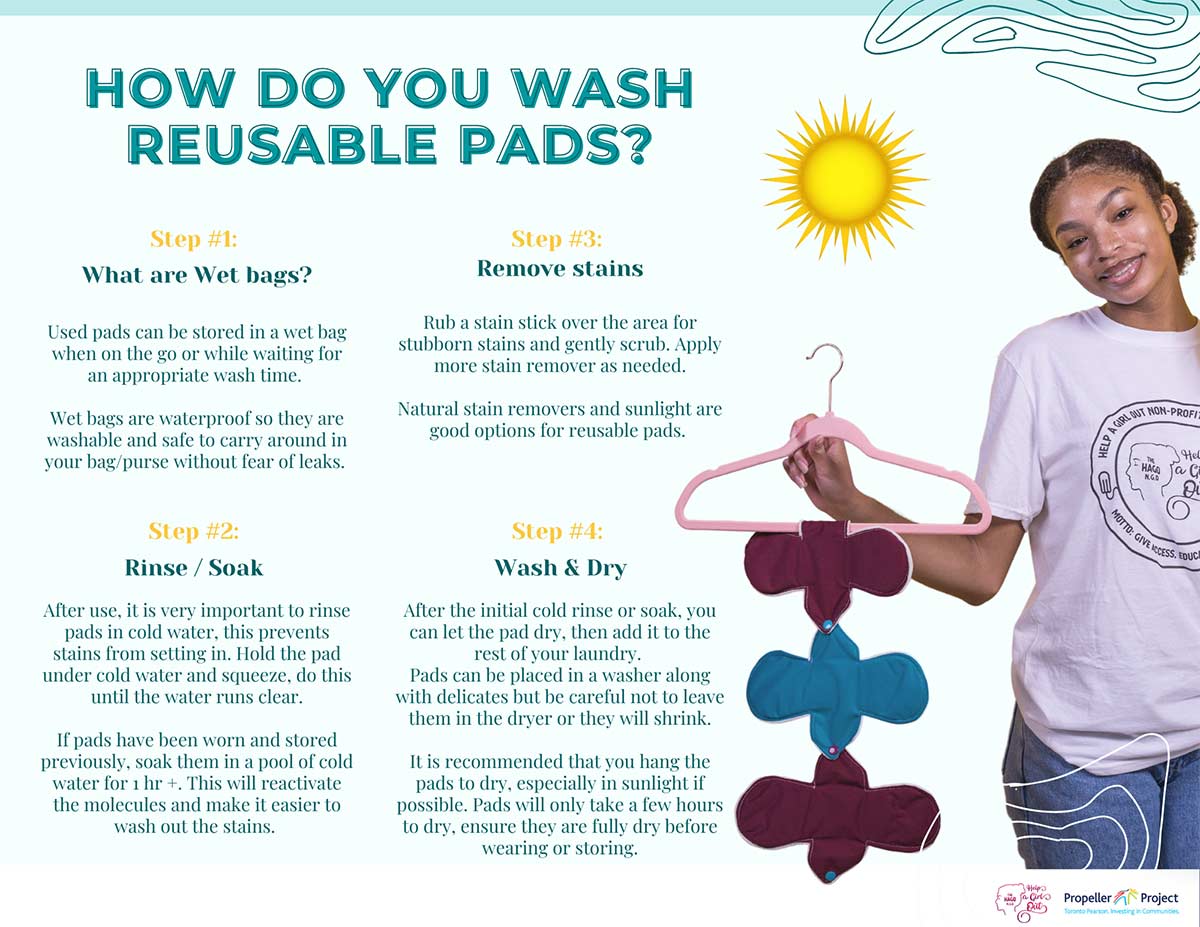
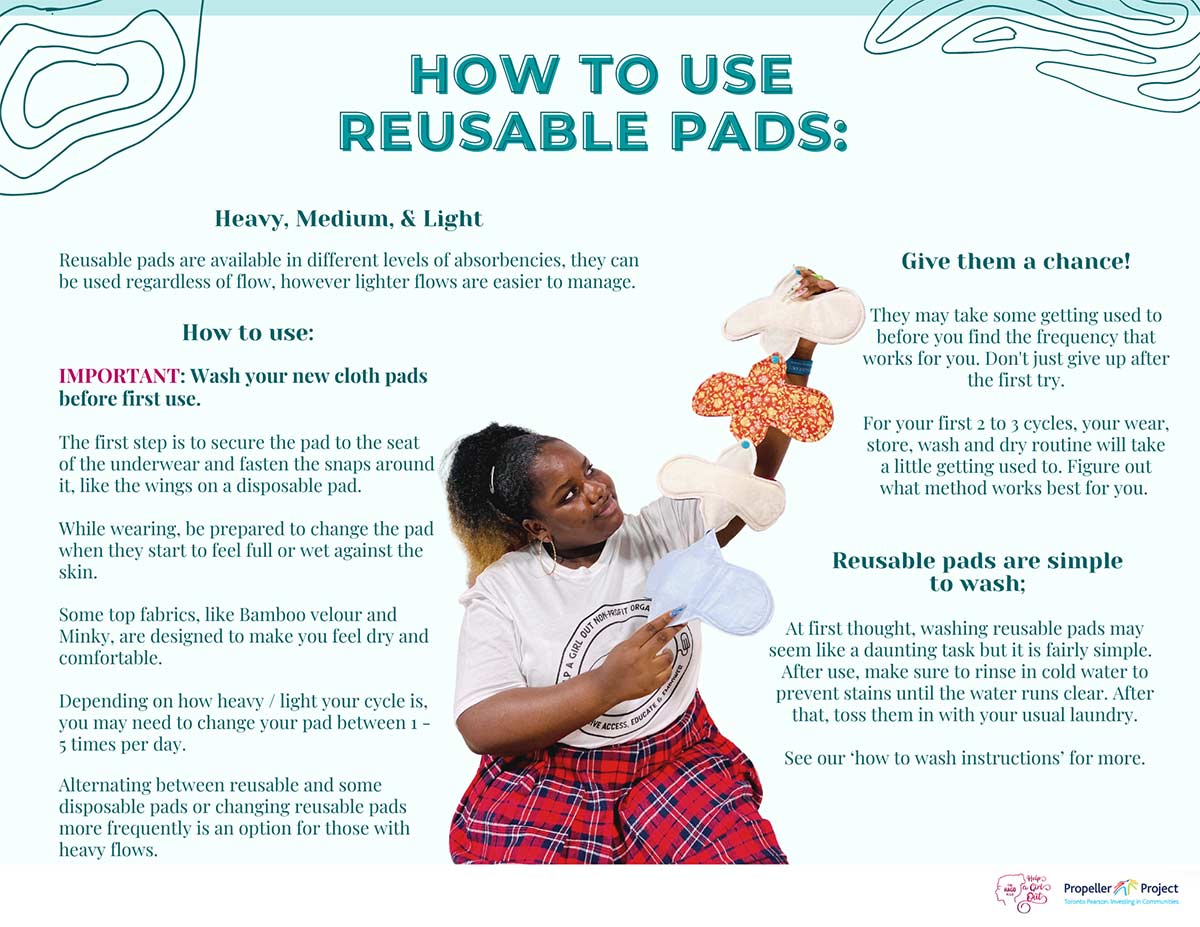
- Reusable Cloth Pads: Looks and work just like a disposable pad, reusable cloth pads are made with cotton or bamboo and have wings too. They replace the adhesive mechanism of wings with snap fasteners to keep the pad in place without the hassle of sticky backings. These products are worn externally, remain capable of absorbing a medium-to-heavy flow, and are strictly recommended to be changed every 4 to 6 hours.
- Menstrual Cups: Worn internally (in the vagina), menstrual cups are made of medical-grade silicone to collect blood rather than absorb it. These MHM products operate on a suction-based mechanism, keeping the cup in place for menstrual fluid collection until it’s time to change (every 8 to 12 hours).
- Period Underwear: For menstruators who do not prefer the look or feel of menstrual cups or reusable cloth pads, period underwear offers a viable solution. It looks and is worn just like regular underwear, but its multi-layered gusset and breathable, leakproof layer ensure lasting comfort during an otherwise uncomfortable period. With a safe changing interval of 8 to 12 hours, period underwear is often worn as an ‘add-on’ for MHM with a menstrual cup or a menstrual disc.
- Reusable Menstrual Discs: Made from medical-grade silicone, these discs function similarly to menstrual cups. The only difference lies with the placement of the MHM product itself. While a menstrual cup is placed inside the vagina to collect menstrual blood, a menstrual disc sits high up in the vaginal canal and provides complete coverage to the cervix. With a recommended changing frequency of every 12 hours, menstrual discs are also the preferred choice for menstruators wanting penetrative intimacy during their period.
To read a detailed piece on reusable period products and how they work, check out another blog of ours: ‘What Are Reusable Period Products and How Do They Work?’. As for a quick answer on how reusable products differ from disposable options, it’s quite simple. Reduced long-term cost, least destructive environmental impact, longer product lifespan, and ease of maintenance – all such qualities of reusable period products create ease for menstruators suffering from period poverty.
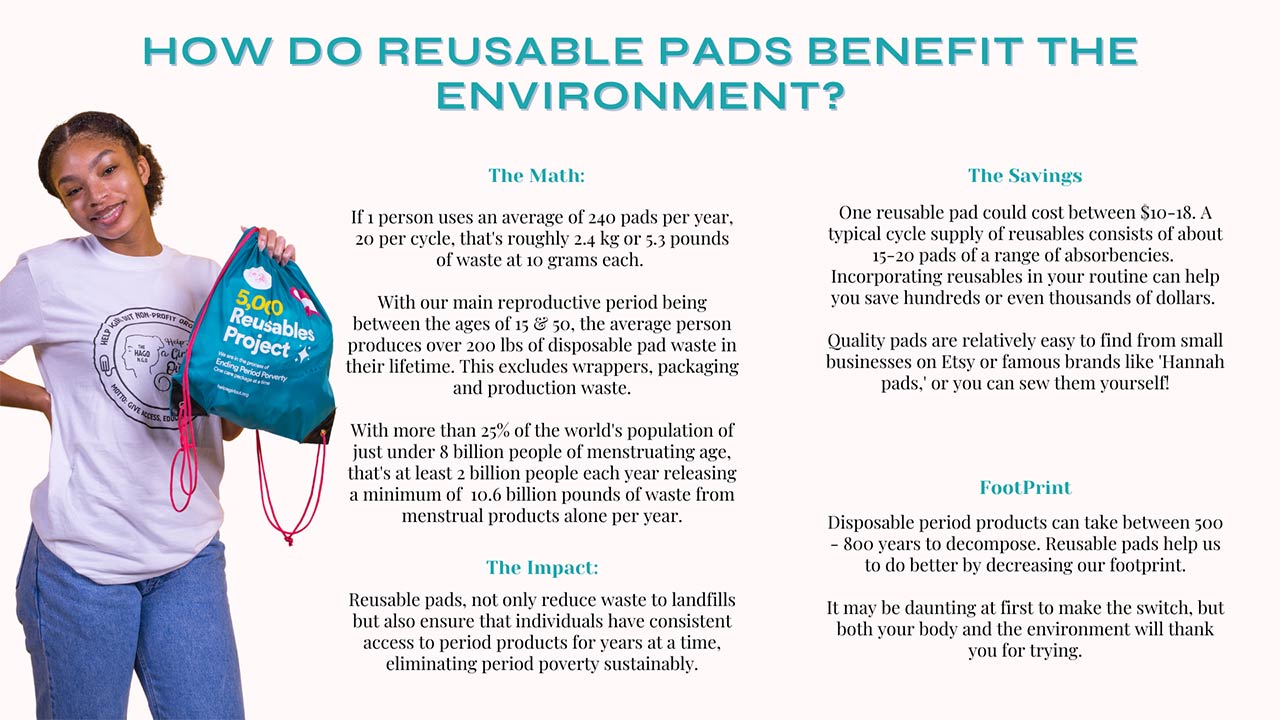
The financial strain caused by repetitive purchases of disposables (estimated at a staggering $6,000 CAD for every menstruator throughout their lifetime) is primarily attributed to the immediate use and disposability of conventional menstrual products (such as disposable pads and tampons). Another study indicated that menstruators may use up to 11,000 disposable MHM products in their lifetime. With one box of tampons costing between $16 and $45 for indigenous communities (as compared to the usual pricing at $5 to $13), one can only imagine the degree of financial strain disparity that comes with affording something as basic as menstrual hygiene management. Reusable menstrual products, on the other hand, are a completely different story. Instead of contributing to fossil fuel depletion, gas emissions, and non-biodegradable waste, reusable MHM alternatives offer a far more environmentally friendly and cost-effective choice for all menstruators.
What Does Accessibility Mean When It Comes to Menstrual Products?
“Menstrual products are available on the market; there are online stores present, so why is there a huge gap between those who can access basic MHM products and those who cannot?”
Thoughts like this often cross the minds of those who want to gain a better understanding of issues that persist in contemporary times. In this light, menstrual product access remains a complex topic of concern for 800 million individuals who menstruate every single day. The accessibility of menstrual products is itself layered in the foundational basis of period poverty. If you’re unfamiliar with the term, period poverty is meant by the lack of access to menstrual products, related education, safe waste management, and appropriate facilities needed to manage the menstrual cycle with dignity; known to disproportionately affect marginalized and lower socioeconomic groups. In this context, access to menstrual products doesn’t just concern having a month’s supply on hand. It’s about how easily a menstruator can get essentials for safe MHM practices without any physical, geographical, financial, or social barriers. These barriers constitute but aren’t limited to, a lack of uninterrupted access to menstrual products; private, gender-segregated toilets; proper education; continuous supply of clean water and soap; proper waste bins; affordable menstrual products in rural, remote, or island communities; adequate income to cover all expenses and also save some; free menstrual products in public spaces; tax exemption (on menstrual goods); social acceptance, and open dialogue.
Evidence of lack of access to menstrual products can be found in a Canadian survey from 2022 where 21% of respondents were recorded to struggle with accessing menstrual products either for themselves or their dependents, a phenomenon they credited to high financial burden. Not only did such financial constraints keep them from appropriate and safe-to-use menstrual products for MHM, but they also compelled approximately 25% of respondents to ration or use disposables for periods, exhausting safe-use limits. Adhering to such practices often leads menstruators further into suboptimal MHM practices, which together exacerbate the seriousness of infections and discomfort. Amounting to dire consequences affecting one’s personal, academic, and professional lives, menstruators lacking access to quality, safe, and adequate MHM products are left to deal with health issues, school absenteeism/ dropouts, work absenteeism/layoffs, and compromised dignity. To address this lack of access to menstrual products, switching to reusable menstrual products is only the first step. Offering a cost-effective alternative with a considerably higher upfront cost but a longer product life, reusable MHM products check the boxes for affordability, product choice, and long-term access. However, in addition to the switch, it’s important to reduce stigma that prevents menstruators from openly talking about menstruation and the consequences that emerge from period poverty.
How Reusable Products Can Support Long-Term Menstrual Product Access
Regular periods or not, menstruation is going to be a consistent part of a menstruator’s life; failing to manage it sustainably may lead to detrimental environmental impacts every year. For a considerable population of menstruating individuals, the preferable mode of menstrual hygiene management remains limited to disposable pads or tampons. Any option other than this leads to suboptimal practices, like exceeding the safe duration limit of wearing disposables, reusing disposables, or using rags/cotton balls/toilet paper/ or cardboard sheets for collecting menstrual blood while struggling with period poverty. However, from a practical perspective, the reliance on donation drives or community centers for a monthly supply of free menstrual products wouldn’t suffice for long-term product security and safe menstrual hygiene practices. Even if a menstruator struggling to afford period products goes on to stock up disposable supplies for the current month, it doesn’t ensure long-term access to such essentials.
Reusable menstrual products offer longevity, comfort, and financial relief that commercialized disposables never could. Costing only 10% (approx) of disposables, reusable MHM products are safe to use, last longer than disposables, give menstruators the liberty to choose a product that feels most comfortable, and this subsequently translates into substantial economic savings. Sparing a look at such facts means only one thing: a higher likelihood of long-term accessibility compared to conventional disposables. Instead of heading to the local drugstore to buy costly pads/tampons that are meant to be discarded after a single use, you’ll simply take out the reusable menstrual product (of your choice) from your drawer, follow the usual hygiene protocol, and wear it – all within the comfort of your home. And when you’re not home, you can rely on your period-tracking skills and place the reusable product in your backpack for quick, portable access. But access to functional products alone wouldn’t ensure long-term accessibility; it’ll require the right kind of environment (clean, private toilet cubicles with functional locks) and additional resources (such as clean water and soap) to help manage periods safely and with dignity (United Nations).
With reusable menstrual products and other supporting components of menstrual equity, menstruators get to benefit from long-term product availability; reduced need for repeated purchases (and ensuing anxiety); an absence of suboptimal MHM practices resulting in reduced risk of infections; menstrual health stability through life changes; diverse product types (reusable cloth pads, menstrual cups, menstrual discs, and period underwear); and lower long-term product costs.
How Reusable Products Can Support Menstrual Equity
It’s one thing to know about the benefits of reusable menstrual products; it’s another to actually understand their impact on menstrual equity. Menstrual equity is the principle that aims to establish equal, affordable, and comprehensive access to menstrual hygiene management products, appropriate education, and facilities for all menstruators. Citing the classification of Viagra as a tax-exempt health product, the accessibility of menstrual products remains a point of concern for menstruators, as they’re still considered ‘luxury goods’ in many parts of the world. Fortunately, Canada has abolished federal sales tax on feminine hygiene products for more than a decade, which has paved the way for systemic change needed to address period poverty. Considering how a menstruating individual’s dignity, autonomy, and long-term financial security are indispensable components of menstrual hygiene management, it’s important for menstruators to rely on suitable menstrual care options to keep these goals intact.
That said, true menstrual equity can’t be achieved without offering menstruators the choice of products that not only suit their preference, but also ensure long-term MHM stability. Nobody wants to live in a constant fight-or-flight mode whenever their menstrual cycle is near; and yet, many are forcefully subjected to this problem either because they don’t have the financial means to afford the goods, or because geographical, social, or physical barriers continue to hinder their access to such essentials. Distributors for various charitable organizations often rely on the cheapest, readily available disposable products (purchased in bulk), treating menstrual hygiene as a ‘one-size-fits-all’ issue. But what this approach does is ignore the individual needs of menstruators. This systemic neglect enables distributors to limit the menstruator’s right to choose what they feel is more appropriate for managing menstrual hygiene. But there’s so much more to life than being a passive recipient of charity that restricts one’s freedom to manage their menstrual health in a way they prefer – and that’s precisely what menstrual equity aims to address.
For example, if a menstruator expresses comfort with using an externally worn product, they won’t be okay with being offered tampons, menstrual cups, or menstrual discs, even though ideal choices could have been disposable pads, reusable cloth pads, or period underwear. In this case, they’re likely to resort to unsafe, suboptimal practices that function on the mechanism of external wear and absorption. As evident from this, what’s truly needed by menstruators struggling with period poverty is uninterrupted access to products tailored to their comfort levels. For this reason, well-planned community-based programs rely on reusable menstrual products to offer meaningful, diverse, and high-quality options that not only respect an individual’s personal, physical, and cultural preferences, but also ensure that those experiencing poverty or housing instability have a similar level of comfort and self-determination as every other menstruator. By providing menstruators with multiple menstrual care options, nonprofit organizations like Help A Girl Out go beyond enabling menstruators to become active participants in managing their health instead of simply making do with what they’re given. In addition, these organizations also educate on the dos and don’ts of safe MHM practices and provide workshops aimed at making all menstruators self-sufficient and sustainable in their approach to managing periods.
But menstrual equity isn’t just about improving accessibility for basic sanitary necessities; it’s also about being more intentional about the choices one makes in life, particularly the ones that do not cause any harm to the environment. If menstruators continue to rely on disposables for managing their periods, they need to know about their impact. Did you know? Single-use menstrual products (along with their packaging) are the items repeatedly found on beaches and in the oceans. A news report from 2025 has also highlighted how billions of disposables (12 billion pads and 7 billion tampons) go into landfills every single year. Considering their composition of non-biodegradable plastics (estimated to be over 90%), disposable menstrual hygiene management products can take up to 800 years to degrade. With such a high rate of consumption, around 245,000 tonnes of carbon dioxide emissions continue to pollute the environment every single year.
And who are the individuals who tend to be most vulnerable to such detrimental impacts on the environment? The very individuals who are located near low-income areas and communities of color. To put it simply, menstruators suffering from period poverty are often the ones who bear the brunt of environmental harm caused by disposable products. In contrast, experts have found reusable product options (like reusable menstrual pads and menstrual cups) to be the ‘better option’ as assessed by their affordability and disposal. Ultimately, the very basis of menstrual equity demands basic necessities to be accessible for all – that sustainable decisions shouldn’t be exclusively limited to those who have the means to access and afford such products. To help lower-income menstruators reduce their environmental footprint, efforts are being made to cover high upfront costs through community-based programs and donation drives.
The Environmental Benefits of Reusable Menstrual Products
Living life to the fullest isn’t simply limited to using the right kind of menstrual products or having uninterrupted access to them. It’s also about fostering an environment that supports good menstrual hygiene practices while ensuring no harm is caused through plastic waste and consequent fossil fuel depletion and gas emissions. Disposable menstrual hygiene products like pads, tampons, and their respective packaging materials are known to contribute to substantial environmental waste, with menstruators being presumed to use up to 11,000 disposable MHM products in their lifetimes. But once menstruators make the informed decision to switch to reusable menstrual products, the dynamics change. The plastic content found in the waterproof lining of cloth pads and period underwear is very low, whereas menstrual discs and menstrual cups have high plastic content. By assessing each of these options with respect to their longevity, the environmental impact is considerably lower. Considering how less waste is produced per menstruator (which is typically attributed to a lack of repetitive use and disposal of single-use products), with reusable options, the risk of harming the environment is reduced to a significant extent.
Understanding the Full Lifecycle of Reusable Products
Sometimes, knowing the benefits of switching to reusable menstrual products isn’t enough; a more detailed insight is needed about the difference reusable alternatives truly make on the environment. While it’s true that disposable menstrual products have high plastic content, which supposedly takes millions of years to degrade, it’s only fair to comprehend the impact of reusables on the environment by sparing a look at the lifecycle of reusable products. Consisting of five stages, namely (1) Raw Materials, (2) Manufacturing, (3) Use and Cleaning, (4) Lifespan, and (5) End-of-Life, here’s a table demonstrating how each of these stages looks for every type of reusable menstrual hygiene product:
Product Type |
Raw Material Acquisition |
Manufacturing |
Use & Cleaning |
Lifespan |
End-of-Life |
Reusable Cloth Pads |
Cotton, bamboo, fleece, and thin plastic (Polyurethane Laminate) for leakproof backing | Layered and sewn together with snaps | Worn externally in underwear, rinsed in cold water, and machine washed. | 3 to 5 years | Textile recycling or trash (cotton can compost if plastic is removed) |
Menstrual Cups |
Medical-grade silicone, TPE (Thermoplastic elastomer), or natural rubber | Melted and molded into a bell shape using heat | Worn internally (in the vagina) up to 12 hours at a time, washed with mild soap and water between uses, and boiled to sterilize at the end/start of cycle. | 5 to 10 years | Tossed into the trash or recycled by specialty programs (known for recycling silicone products) |
Period Underwear |
Cotton, nylon, spandex, and a hidden waterproof fabric layer | Cut and sewn into underwear with multi-layer absorbent lining | Worn like regular underwear, rinsed and then machine washed with cold water. | 1 to 3 years | Goes to the trash as mixed fabrics are hard to recycle |
Menstrual Discs |
Medical-grade silicone | Molded with heat into a flat, wide basin shape with a rim | Worn internally (high up in the vaginal canal) up to 12 hours, washed with soap and water between uses, followed by boiling (at end/start of each cycle) | 2 to 5 years | Discarded in the trash |
Now that you’re familiar with the lifecycle of reusable MHM products, it’ll be easier to tell the difference between them and disposables. As opposed to disposables, reusables do not have a continuous, high-impact lifecycle, as they aren’t manufactured, shipped, used once, and discarded indefinitely. Rather, reusables are used for years with proper maintenance, ensuring the menstruator remains comfortable, has peace of mind, doesn’t suffer from product insecurity, and has the resources to participate fully in all walks of life; all without inducing a negative impact on the environment with their menstrual management practices. Even though washing or boiling reusables does require water and energy resources, it leaves a vastly smaller footprint than the continuous industrial footprint stemming from the manufacture and transportation of millions of single-use menstrual hygiene management products. Beyond this, there’s also a lack of chemicals and fragrances in reusable products, which otherwise would be found in a variety of disposable options. The presence of such compounds contributes to increasing the risk of allergic reactions, irritations, and discomfort in the vaginal area.
The verdict? Going with disposable products for long-term menstrual hygiene management isn’t as favorable as it seems – neither for the environment nor your finances. Reusable menstrual products may cost more than disposable ones, but their extended-use design helps save money in the longer run. That’s right, besides being an eco-friendly choice, reusables effectively help address period poverty by reducing the likelihood of menstruators turning to suboptimal practices in the absence of adequate means to manage periods. A higher but one-time upfront cost of a reusable MHM product outweighs the lower, repetitive cost of disposables, allowing sustainability and accessibility to work together for a better outcome.
How Communities Can Make Reusable Menstrual Products More Accessible
No change can ensue when there’s an absence of public discussion surrounding a persistent issue in society. The same goes for period poverty, best understood as an extension of menstrual inequity, characterized by a lack of reproductive health education, social stigma, and inadequate sanitation infrastructure. With the topic of menstruation being discussed under the guise of elaborate euphemisms, it’s important to enable gender-inclusive public discussions about it free from lingering feelings of shame and disgust.
While many policy reforms for dignity, equality, and menstrual health have been made globally, there’s still a long way to go until every menstruator in every part of the world is literate enough to make a better decision for their health through improved accessibility to products and resources needed to safely manage periods with dignity. Starting by voicing out the concern for persisting period poverty affecting millions around the world, communities can slowly but surely make reusable menstrual products accessible for all through collective efforts targeting different aspects of menstrual inequity. That said, common community practices to improve accessibility include:
- Providing Education Alongside Products: Distributing reusable items such as cloth pads, period underwear, menstrual cups, and menstrual discs is one way to make period essentials accessible for those in need, but pairing the initiative with supportive health education programs (that target myths, taboos, and misconceptions about menstruation through evidence-backed information) can work best. Clear and easy explanations help demystify what the general public is likely confused about, while underscoring the long-term financial savings and least damaging environmental impact of switching to reusable menstrual hygiene products.
- Supporting Reusable Product Distribution Programs: If you don’t have funds as an individual to support a considerable population suffering from period poverty, then there’s no need to worry. You can always arrange (1) free or subsidized product giveaways or (2) make the decision to donate to causes (like Help A Girl Out) that share a similar goal as you do (of eradicating period poverty and improving accessibility). This ensures that every penny donated to organizations gets used in buying reusable products and distributing them to shelters, low-income households, and remote areas.
- Teaching Proper Care and Maintenance: The existing taboos about reusable menstrual goods also consist of claims asserting the products themselves become contaminated after single use. But that’s the thing about it: uninformed individuals do not understand that proper hygiene and care routines can effectively make each of the reusable products safe for repetitive use. Volunteers and instructors working for organizations working to improve accessibility for menstrual essentials teach target groups about ways to safely clean, dry, and store their products through practical workshops, physical pamphlets, and digital instruction guides.
- Working With Schools and Community Organizations: A large population of menstruators can be found within the premises of schools and/or community organizations, which renders both types of spaces as ideal hubs for normalization and outreach. Collaborating with educators to spread relevant information about menstrual health, sustainable choices, and safe menstrual hygiene management helps youth and menstruators from all age groups learn what they might have missed out on due to absent school days, social stigma, and harmful practices normalized over time. Furthermore, installing reusable items and care guides within such places makes reliable menstrual supplies a normal part of daily infrastructure.
- Listening to the Needs of the Communities Being Served: The first step to solving a problem is recognizing its existence. Changemakers often resort to methods of speaking to affected community members to better understand their unique cultural, physical, environmental, and financial barriers to accessing menstrual products. The direct surveys and one-on-one conversations with target groups (such as youth, indigenous populations, 2SLGBTQI+ individuals, and individuals experiencing homelessness) help effectively supply the right kind of reusable period products that best fit their lifestyles.
Join Help A Girl Out in Facilitating People with Reusable Menstrual Products!
Menstruation is nothing new for menstruators way past the age of puberty; yet, many continue to struggle with accessing essential period management products. While it’s common practice to assume that having a month’s worth of menstrual products translates to true accessibility, in reality, it doesn’t, not until the solution entails long-term product security, gives freedom of choice, and preserves the dignity of the menstruator.
Understanding that product accessibility cannot be improved without educational workshops, product distribution programs, and reusable menstrual products, charity organizations like Help A Girl Out are on the front lines to combat period poverty and make lives easier for those vulnerable to menstrual inequities.
Want to play your part in facilitating people with reusable menstrual products? Get involved today! For more details, visit here.
Frequently Asked Questions (FAQs)
Q1. Is buying reusable menstrual products worth it?
Yes, investing in reusable menstrual products is worth it for long-term cost savings, environmental benefits, and reduced skin irritation. Contrary to the financial strain, waste, and irritation caused by disposables, reusables offer a solution that addresses all these concerns and creates ease for the product user.
Q2. How effective are reusable pads?
Reusable menstrual pads are highly effective at absorbing menstrual flow, preventing leaks, and reducing anxiety that comes from product insecurity. Besides these factors, reusables also ensure comfort and health remain intact through breathable fabrics, without any added fragrances and harsh chemicals (commonly found in disposable counterparts).
Q3. What are the benefits of using reusable sanitary pads?
Switching to reusable sanitary pads is considered to be a great decision for individuals suffering from product insecurity, period poverty, and menstrual inequity. The beneficial factors of reusables include their eco-friendly composition, cost-effectiveness, and use of comfortable fabrics, contributing to a considerable reduction in long-term waste, comparatively lower expenses, and a much gentler impact on sensitive skin.
Q4. Is a menstrual cup 100% safe?
Menstrual cups are generally considered safe for use during the menstrual cycle. However, experts strongly advise users to learn and practice the correct methods for insertion/removal of the product from their vagina, within the safe duration limit. Besides this factor, menstruators must learn how to properly wash, dry, and store products safely between uses and at the end/start of cycles.