


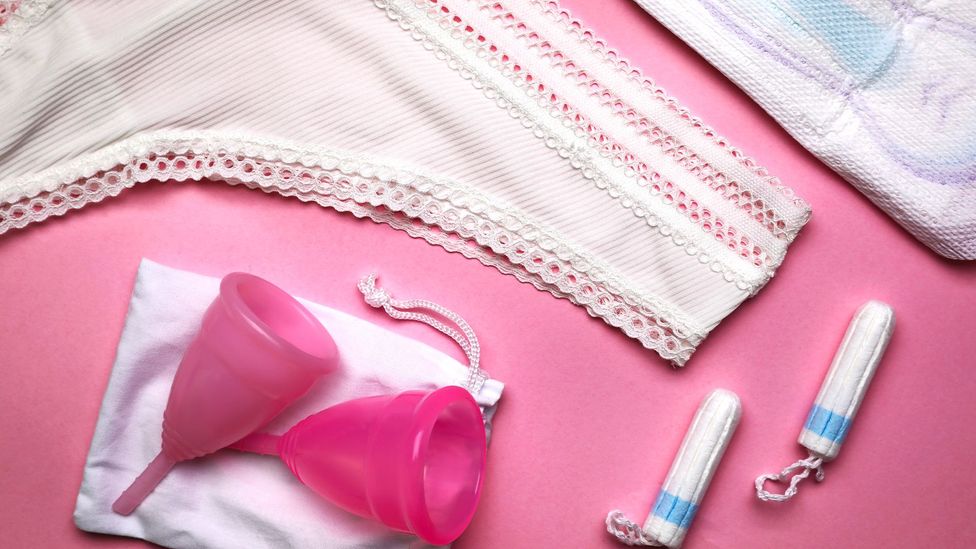
Menstrual cups, period underwear, reusable cloth pads, or menstrual discs; the term “reusable period products” refers to washable, sustainable, and long-lasting alternatives to conventional menstrual hygiene disposables. Functioning through absorption or collection, such period products are cost-effective as they can be rinsed, laundered, and reused for years on end. Their growing popularity reflects greater awareness of financial savings and environmental sustainability. In recent years, menstruating individuals have begun experimenting with different menstrual hygiene products, which has allowed them to explore options beyond their comfort zone.
Before this shift, disposables had been accepted as the default option for menstrual care. Their widespread acceptance was largely driven by availability and marketing rather than sustainability. Even in high-income countries (such as Canada), the portrayal of single-use pads and tampons as ‘convenient’ and ‘hygienic’ rendered them the most popular method of menstrual care. To understand the gradual transition towards reusable alternatives, it’s imperative to examine the environmental and health consequences of disposables.
While the production of disposables began with cellucotton (crinkled wood pulp), it soon shifted to synthetic methods. In fact, modern pads and tampons are composed of more than 90% plastic and other synthetic materials (which means these are not easily degradable). Ultimately, landfills become the resting place for the waste. When disposed of, these products take up to 800 years to degrade, which conflicts with zero waste goals.
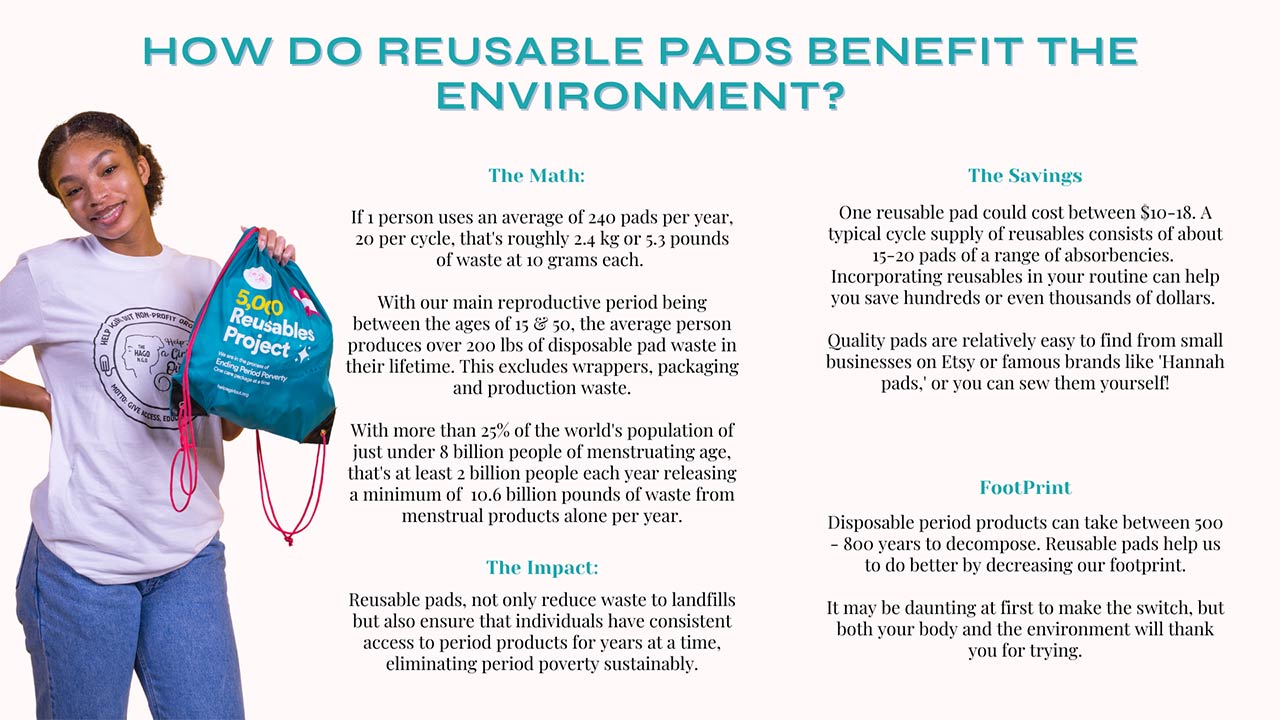
On average, each menstruating individual uses up to 10,000 disposable menstrual products in their lifetime. With 1.8 billion menstruating individuals worldwide, the resulting waste becomes an even bigger problem. According to an international study, the production and use of 12 billion disposable menstrual management products adds up to an estimated 245,000 tonnes of carbon dioxide emissions. In addition, the products are also known to contain cadmium, lead, and mercury, along with bleached chemicals, which have been associated with adverse outcomes for kidney, cardiovascular, and inflammatory health.
These concerns have prompted many consumers to reconsider their menstrual care habits and switch to reusable alternatives. Often described as a ‘game changer’ by the general public, reusable period products may offer long-term environmental and financial benefits without compromising on effective menstrual hygiene management (MHM).
What Are Reusable Period Products?
Environmental stability and menstrual equity are collective responsibilities, but individual efforts can help achieve them. To counter the impact of slow-degrading waste while also making safe menstrual hygiene practices accessible for all, environmentally conscious individuals prefer reusable period products over disposable alternatives. As the name suggests, reusable period products are a particular variety of period management tools that can be washed, disinfected, and reused over a long period of time. These include, but aren’t limited to, menstrual cups, menstrual discs, period underwears, and reusable cloth pads. While being regarded as the lesser-known alternatives, these products present many benefits to individuals who menstruate. Every month, they allow menstruators to save money (that would otherwise amount to costly expenses), counter period poverty (if they are affected by it), and leave a smaller carbon footprint (by reducing waste caused by disposables). As conversations around sustainability, menstrual equity, and long-term affordability continue to grow, reusable menstrual products are increasingly being viewed as practical alternatives to conventional disposables. Understanding this shift requires looking at the limitations associated with single-use menstrual care.
From the point of menarche, disposable period management options are likely first introduced to those undergoing puberty, making it the default choice for them. But disposable menstrual hygiene management (MHM) options, such as tampons and pads, are known to contribute large amounts of greenhouse gases during their production and disposal processes. To be exact, the waste is recorded to be an average of 12 billion for disposable pads and 7 billion for tampons. On the other hand, the financial strain of sticking to such options is also unfavorable. As per CityNews Toronto, the long-term cost of using disposable MHM tools is significantly higher, with tampons costing 20 to 25 cents each.
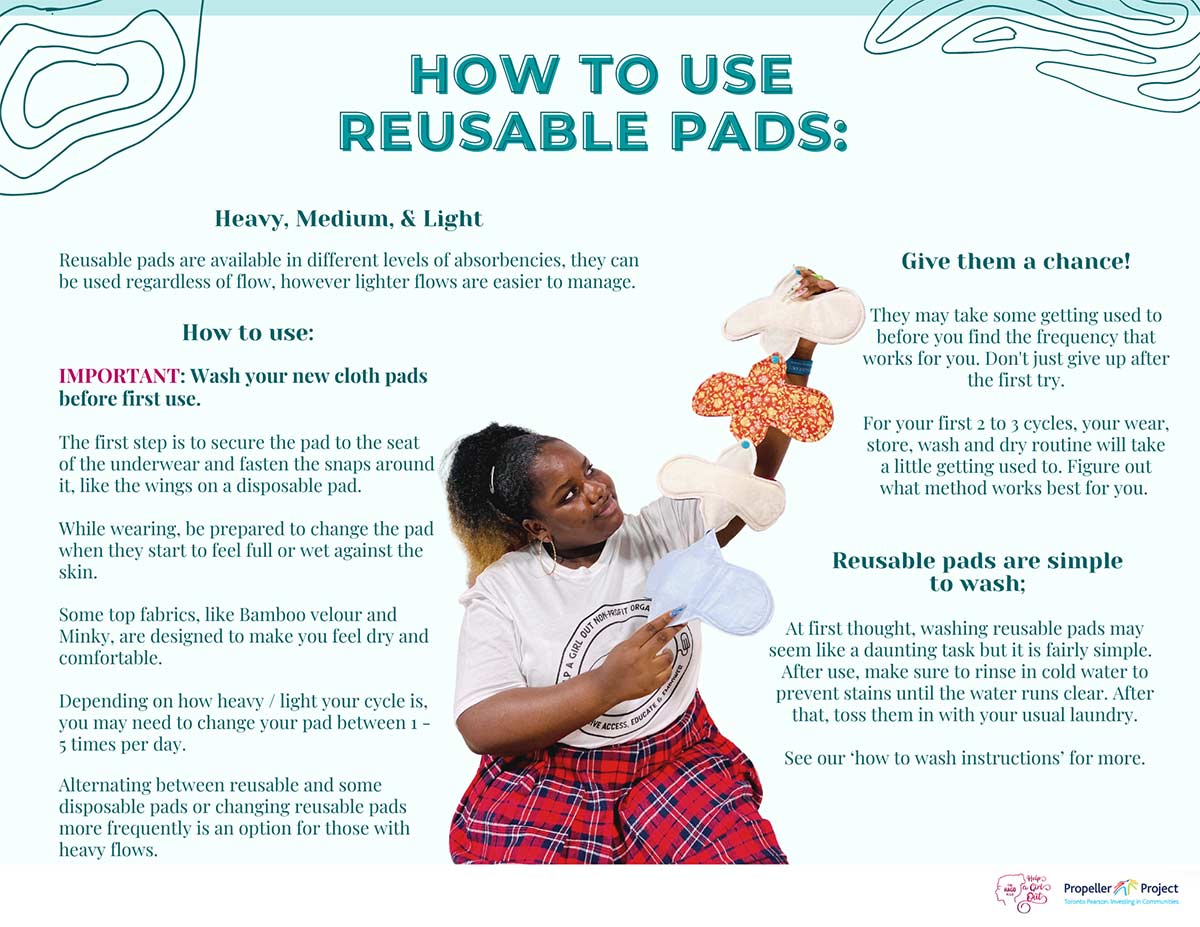
In contrast, reusable menstrual care offers individuals significantly more affordable and long-lasting menstrual hygiene management options (which are at least $33 to $245 less than 20 single-use tampons). It features both internal and external products, allowing menstruating individuals to choose based on their comfort levels. For example, people who are comfortable wearing tampons during their days of menstruation can find reusable alternatives in the form of menstrual cups or menstrual discs, made from medical-grade silicone or rubber and function through a fluid-collecting mechanism. Similarly, those who don’t prefer invasive menstrual hygiene management options may find it easier to use reusable cloth pads or period underwears. Unlike internal options, these products are fabric-based, made with organic cotton or bamboo material. Particularly for the cloth pad, the unique design incorporates snap fasteners to secure the pad’s position around underwear gussets; this ensures period flow directly onto the cloth and prevents leakage. Alongside availability in the market, many organizations also offer reusable pad sewing classes.
Notably, misconceptions have long discouraged first-time users. Some assume reusable products are unhygienic, difficult to clean, or unsafe for long-term use. While false advertising in the past tainted perceptions of reusable sanitary napkins, that is no longer the case. Environmentally aware individuals are now making informed choices for menstrual hygiene management (MHM). In fact, health authorities and public health researchers emphasize that when reusable menstrual products are cleaned, stored, and maintained according to manufacturer guidelines, they are considered safe, practical, and effective options for menstrual hygiene management.
Although reusable menstrual products share the same purpose as disposable alternatives, they differ significantly in terms of longevity, maintenance, and environmental impact. As conversations around climate change, menstrual equity, and household expenses become more common, interest in reusable menstrual care has steadily increased. Unlike single-use pads and tampons that are discarded after every use, reusable period products are specifically designed to withstand repeated washing and sterilization while maintaining their effectiveness over several years. Consequently, individuals are no longer selecting menstrual products solely based on convenience. Rather, they are now considering long-term affordability, personal comfort, product safety, and environmental responsibility before making a choice.
4 Types of Reusable Period Products
More often than not, unaffordability of a menstrual product stands at the center of deviating from costlier choices. But the dynamic gains a very different meaning when one’s health is risked with the use of inadequate menstrual hygiene management tools or prolonged use of disposables. In a high-income country like Canada, there’s a staggering 17% of the menstruating community that has experienced period poverty. To avoid spending a whopping $6000 on period products alone (over a lifetime), reusable period products offer a distinct variety of period management options for menstruators to choose from.
1. Reusable Cloth Pads
Reusable cloth pads look, function, and help a menstruating individual in a similar way to disposable pads. The only difference? Their reusability. Disposables are meant to be thrown away after single-use, but cloth pads are designed for continuous use. Replacing the conventional sticky backs and wings with thick fabric layers (either made from cotton or bamboo), leakproof backing, and snap fasteners, reusable cloth pads absorb menstrual flow effectively. From what the governmental mini-guide indicates, such reusable period products are capable of absorbing a medium to heavy flow, with a changing frequency of 4 to 6 hours being optimal.
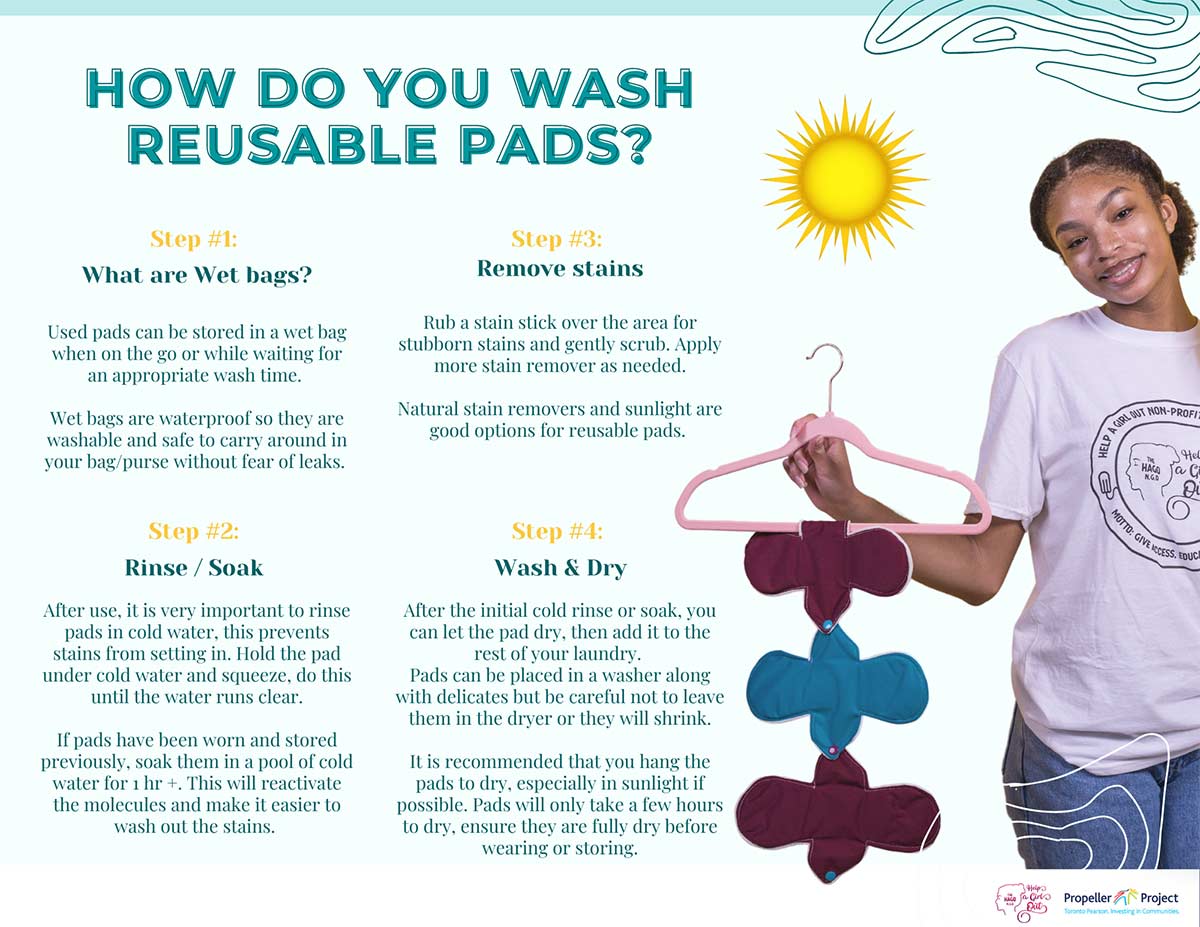
So when it’s time to change, it is best to rinse with cold water first. You can do this by simply placing the used cloth pad under cold running water (to remove excess blood). Toss your reusable cloth pads in the washing machine using a basic, mild laundry detergent and cold or warm water, alongside a regular load of similar items. But be cautious of one thing: do not use softeners, dryer sheets, or bleach, as they can compromise the pad’s absorption capacity or break down the fabric itself. Lastly, hang your cloth pads to dry in the air or sunlight. A combination of these options is great for preserving the leakproof backing, fading remaining marks, and naturally disinfecting the pads.
2. Menstrual Cups
Menstrual cups are flexible, bell-shaped menstrual hygiene management tools, which are commonly made of medical-grade silicone or rubber. These are meant to be folded and inserted into the vagina to collect menstrual blood rather than absorbing it (like how a conventional tampon does). In this, each feature of the product serves a particular purpose.
The rounded rim basically creates a secure seal that fits a menstruating individual’s vaginal canal perfectly. This precision is essential to prevent leakage. Below this area are the 4 suction-release holes, which help ease the insertion and removal process by either making or breaking the suction seal. These suction holes are on the vertical ridges of the menstrual cup, which play an integral role in providing structural support to the cup during use and a non-slip grip on the base for ensuring safe removal. At the bottom of the cup, a flexible ribbed stem is attached to guide and anchor the user, helping them locate the base, adjust the position, and improve grip during removal. To ensure safe and pain-free use, try not to pull it straight out by the stem alone. Instead, use the stem to locate the base. Then, proceed to pinch the bottom of the cup and release the vacuum before pulling it out.
Cleaning the cup is fairly easy too. Wash your hands, empty the contents of the blood, and rinse the cup with clean water. Then, use a mild, fragrance-free soap and continue to wash it. By the end of your cycle, don’t forget to sterilize the menstrual cup by boiling it inside a metal whisk (ensuring it doesn’t come in contact with the bottom of the pot). With a capacity of holding light to heavy flow, menstrual cups allow medium activity levels and require changes every 8 to 12 hours (Government of Canada). Alongside providing ease of use, menstrual cups are also affordable, causing less financial strain on menstruating individuals. The cost of menstrual cups is posited to be somewhere between $15 and $40, which is cheaper than a multitude of single-use pads and tampons (with an average use of over 20 tampons per month, costing 20 to 25 cents each).
3. Period Underwear
Period underwear may look and feel similar to regular underwear, but it doesn’t function like one. It’s better. Featuring a built-in, multi-layered gusset with highly absorbent fabric, period underwear also consists of a thin, breathable leakproof layer (typically made of thermoplastic polyurethane or polyurethane laminate) to ensure uninterrupted comfort and peace of mind for menstruating individuals. Instead of allowing the fluid to sit on the skin, the fabric is engineered to pull the moisture away, locking it inside the core to prevent leaks and dry quickly.
The process of cleaning the underwear is similar to cleaning a reusable menstrual pad. Begin by rinsing the underwear in cold water (immediately after removal). Keep doing it until the water runs clear. You may proceed to wash the underwear by hand or toss it into the machine, on a cold, gentle cycle, pairing it with a minimal amount of mild, fragrance-free laundry detergent. Similarly, avoid using fabric softeners, bleach, or dryer sheets, which may otherwise mess with the absorbent and leakproof layers of the underwear. End the process by hanging or laying the underwear flat to sun dry, so that any remaining bacteria or germs can be eliminated.
For menstruating individuals who do not prefer internal menstrual hygiene management options, period underwears serve as a good option alongside reusable cloth pads. These alternatives are often regarded as the ‘nicer’ choice when compared to disposables, citing irritation from pad use. While meant to be worn externally, period underwears provide a changing frequency similar to menstrual cups (every 8 to 12 hours), support medium-level physical activity, and are also wearable during swimming. In addition to this, many menstruators express openness to using a combination of different reusable period products to prevent leakage altogether. For example, period underwear is often used as a backup with a menstrual cup or a menstrual disc, in case the flow is heavy.
4. Reusable Menstrual Discs
Reusable menstrual discs are often regarded as the mini-version of reusable menstrual cups, but they are quite different in terms of their placement and purpose. The reason why menstrual discs are so different from menstrual cups is that the discs tuck right up behind one’s pelvic bone, allowing the menstruator to be sexually active for penetrative intimacy during their period. Besides making the personal lives of menstruating individuals more comfortable, menstrual discs can be worn up to 12 hours, capable of supporting light to heavy flow as well as swimming episodes. Made from medical-grade silicone, reusable menstrual discs are wide, flat, saucer-shaped menstrual blood collectors designed to sit high up inside the vaginal canal and are recognized as one of the MHM alternatives that are good for the environment. When cared for properly, menstrual discs can last up to 5 years.
The makeup of such a reusable period product includes an outer rim, a basin (catch), an insertion notch, and an optional removal tab/string/loop. The outer rim is a flexible, circular oval ring that provides structural tension to tuck securely behind one’s pubic bone without the need for suction. Next up, the basin is a thin, soft silicone pouch that suspends inside the rim; it’s responsible for ‘catching’ the menstrual blood right under the cervix and usually has a capacity to hold up to 50-70ml of menstrual blood. On the basin, an insertion notch can also be found that looks like a small dip. The primary function of this notch is to make the insertion of the menstrual disc more comfortable for the user, which can be pinched to squeeze the disc into a narrow, tampon-mimicking shape. Exclusive to reusable disc options (as opposed to disposable ones), a removal tab, string, or loop would be attached to the front rim. This feature allows the user to safely navigate and pull the disc during removal.
The usual aftercare routine for safe reuse of menstrual discs involves thoroughly removing the fluid collected inside the disc into the toilet. The next step is to rinse the disc properly with cold or lukewarm water to clear away the blood. Then, lather the medical-grade silicone with a mild, oil-free, fragrance-free, and pH-balanced soap. Once satisfied, rinse the soap off with water and reinsert the disc during your cycle. However, do not forget to sanitize the disc by boiling it for 3 to 5 minutes once your cycle ends. Let the disc cool and air dry. Place it inside a breathable cotton or cloth pouch and strictly refrain from placing it inside an airtight or damp container. This sanitization method is meant to be followed by the end of your menstrual cycle and the start of your next cycle.
5 Benefits of Reusable Period Products
The last resort of using rags and paper to manage periods only seems like a ‘poor choice’ until one experiences period poverty first-hand. The truth is, menstrual hygiene management is not even a choice for menstruating individuals struck by period poverty. In Canada alone, 1 in 5 menstruators believe they won’t be able to afford period products at some point in the following 12 months, which is attributed to the evidently high cost and unavoidable usage of menstrual products. A lack of awareness and desperate measures to prevent period stains from showing up on their clothes indicate a systemic failure, which would otherwise make menstrual essentials accessible for all.
Considering how 15% of Canadians admit to the unaffordability of menstrual essentials creating hindrances in their participation in daily activities, it’s important to proceed with an ‘out-of-the-box’ approach. While experts argue that bringing the use of reusable period products into mainstream menstrual hygiene management norms would be improper without ensuring menstruators have uninterrupted access to adequate finances, along with water and sanitation facilities, one can’t deny the benefits that initiatives like The Reusables Project (TRP) offer. However, it is imperative to share unbiased and evidence-based education to put menstruators in a capable position to make informed decisions. Without further ado, here are the five benefits of reusable period products that go beyond making period essentials accessible.
- Reducing Waste: A menstruating individual is estimated to use up to 10,000 disposable pads and tampons in their lifetime. International data indicates that nearly 2.5 million tampons and 1.4 million pads are flushed on a daily basis, rendering their super-absorptive properties to clog the sewage system. Most of these disposables are made from non-biodegradable plastics (over 90%), which sit in landfills or continue to pollute natural environments for hundreds of years. In contrast to this, reusable menstrual products can last for years without needing to buy multiples or pollute the environment the same way disposables do.
- Long-Term Cost Savings: There’s a stark difference between long-term costs and short-term costs. From a general perspective, a 25-cent tampon seems an affordable option as compared to an otherwise ‘higher upfront cost’ of reusable period products. But that’s the catch: tampons are disposable and cannot be used safely for more than 8 hours. On the other hand, a menstrual cup or menstrual disc can be used over and over again (with a changing frequency up to 12 hours, with repetitive cleaning routines after use) for years on end. Making significant contributions to monthly cost savings, menstrual cup use is popular among individuals who prefer internal MHM practices, whereas reusable menstrual pads (RMP) have been widely acknowledged to save money in the longer term.
- Increased Product Choice: Containing the menstrual blood within a particular period product isn’t the goal; but achieving comfort surely is. For this reason, transitioning to reusable period products is easier for those seeking solutions for different body types, sensory preferences, and activity levels. Menstruators can choose internal comfort with menstrual cups or menstrual discs, which can hold significantly more menstrual fluid than reusable cloth pads and period underwear. Additionally, internal options are widely regarded as comfortable and environmentally friendly when compared to disposable alternatives. On the other hand, those preferring external MHM options find the fabric feel of reusable menstrual pads and period underwear soft, which frees them from dealing with plastic-influenced chafing (otherwise caused by disposable menstrual pads).
- Supporting Sustainable Menstrual Practices: Preservation of the earth’s natural resources is just one area serving sustainable development goals. It also requires one to make decisions that protect personal health and ensure fair access. With that in mind, every year, there is a multitude of waste produced by the use of single-use products (mainly composed of plastic). Because disposal of menstrual waste is often neglected, it contributes to environmental pollution and the clogging of sanitation systems. Understanding the detrimental impact of single-use MHM products, menstrual activists have been researching and promoting ecologically sound alternatives, including menstrual cups, menstrual discs, and period underwear. It is estimated that 5 years of continuous use of reusable pads can reduce waste that would otherwise be produced by 1,200 disposables.
- Greater Preparedness During Emergencies: Relying on disposables often translates to being unprepared for when your period shows up unannounced. The never-ending cycle of cost, usage, and immediate disposal of single-use products puts the menstruator’s health at the expense of whether they could afford appropriate MHM tools needed to cope with period week. When there’s an absence of adequate menstrual hygiene products, it can often cause menstruators to experience shame and embarrassment. In contrast, reusable period products can offer a long-term safety net to menstruators in the form of lower stress levels, increased mobility, and increased school attendance. This is especially relevant to menstruators unable to access or afford disposable products for a multitude of reasons, including supply chain shortages, weather disruptions, unexpected travel, or limited financial resources.
How Reusable Period Products Support Sustainable Menstrual Health
It is one thing to address period poverty; it’s another to ensure the efforts support sustainable menstrual health. At its core, sustainable menstrual health refers to the quality of being able to manage periods through safe methods, cut long-term financial costs, and minimize the detrimental impact on the environment, which would otherwise stem from reliance on disposable MHM products. As a matter of fact, a global population of nearly 500 million menstruating individuals is reported to lack access to menstrual products and appropriate facilities needed to manage their periods.
Consequently, this has led to harmful educational and socioeconomic issues that continue to grow in the absence of policies and practices needed to achieve menstrual equity. While every other country is making efforts to diminish period poverty and make menstrual essentials accessible for all, nonprofit organizations working for national and international menstrual equity (such as ours at Help A Girl Out) are making waves with their proactive, innovative approaches. One of these approaches involves breaking the stigmas surrounding menstruation through workshops that teach what needs to be taught and practiced by the masses. In this light, to understand the impact of reusable period products on sustainable menstrual health, it’s imperative to trace the areas that distinguish them from disposables.
A Brief History of Disposable Menstrual Hygiene Management Products
Disposable menstrual hygiene management tools include sanitary pads and tampons, which are only meant for single-time usage. The composition of such products is estimated to feature more than 90% plastic, which is concerning considering the number of users (1.8 billion menstruators) and consequent 12 billion menstrual management products’ worth of waste generated. Initially, the use of disposable MHM products didn’t pose as much risk, for they consisted of biodegradable materials. For example, crinkled wood pulp (cellucotton) disposable napkins were completely biodegradable. All good things considered, these pads were bulky, leading to replacement by ultra-thin synthetic options. As a result, additional plastic components were gradually incorporated into menstrual pad designs.
Did You Know? The polyethylene backing was introduced in the 60s to prevent leakage, whereas superabsorbent polymers in the 80s allowed pads to absorb massive amounts of fluid. Later on, the primary layer in contact with the skin of menstruating individuals was covered with synthetic topsheets (non-woven plastic meshes), which replaced cotton gauze to keep the surface dry.
Consequences of Unregulated Use (and Misuse) of Plastic-Based Menstrual Disposables
Sooner than consumers had realized, plastic had taken over the MHM industry. Annual production and use of billions of MHM disposables is known to result in an estimated 245,000 tonnes of carbon dioxide emissions. Such excess amounts of carbon dioxide isn’t healthy for the earth’s atmosphere, leading to global warming, melting glaciers, and ocean harm. Even though menstrual blood itself is organic, the disposable MHM products that absorb/collect it aren’t organic. For this reason, plastic-based menstrual disposables aren’t classified as ‘medical waste’. As it’s economically and technically challenging to recycle, the waste is ultimately sent to either incineration or landfills, potentially taking more than 500 years to break down. This lack of consensus on how to classify, discard, and dispose of disposable MHM products creates a barrier to countering their environmental impact.
How Reusable Period Products Add Value to Sustainable Menstrual Health
The main problem with disposable period products is their lack of degradability and contribution to the carbon footprint. So only something that can serve the purpose of safe menstrual hygiene management and degrade harmlessly under natural conditions can serve as a viable alternative. Reusable period products support sustainable menstrual health because they simultaneously reduce environmental waste, lower long-term costs, and provide menstruators with reliable menstrual hygiene management options that can be safely used for years when maintained correctly.
Reusable period products are mostly made of sustainability-supporting materials, including medical-grade silicone (for menstrual cups and menstrual discs) and natural textiles (for reusable cloth pads and period underwears). The former is derived from silica, a naturally abundant material, which is capable of breaking down into basic minerals over immense stretches of time, whereas the latter (typically featuring cotton, bamboo, or hemp) relies on renewable agricultural loops. Pertaining to their longevity despite repetitive use, reusable menstrual cups (made of silicone) are reported to leave the smallest carbon footprint (99% less) compared to disposables. Similarly, incorporating a single reusable menstrual pad into one’s regular MHM routine for 5 years helps reduce waste of about 1,200 disposable pads.
Fewer disposables going into the landfill means a lower carbon footprint; and that’s something fully supporting sustainable menstrual health goals. In this, menstruators have to pay a reasonable upfront cost for reusable period products, which in turn provides them with long-lasting MHM solutions without the need to buy heaps of disposable period supplies. Community initiatives also play an important role in making reusable menstrual care more accessible. Take Help A Girl Out’s The Reusables Project (TRP), for example. This initiative is designed to promote long-term accessibility for MHM essentials by reducing single-use waste and ensuring a significant portion of menstruators remain self-reliant through sustainable community solutions. Through this, we teach menstruating individuals of all ages how to sew their own reusable pads.
Get More Details About Reusable Period Products!
It’s a virtue to be curious about things one isn’t yet familiar with. But educating oneself can also be the first step towards making informed life choices. No matter how challenging the path to achieve sustainability can be, aligning your life with small changes can often create lasting impact.
Normalization of reusable period products can help menstruating individuals benefit from safe menstrual hygiene management practices; reducing long-term costs, minimizing waste, and contributing wisely to the environment’s sustainability.
At Help A Girl Out, a healthy state of mind and reproductive system go hand in hand. Without a radiating sense of self, both such aspects of life remain incomplete. Our goal is to educate the masses and make every menstruating individual capable of supporting themselves with safe MHM practices. We are proud to be serving the community with our initiative, The Reusables Project (TRP), which does more than reduce single-use waste. Connect with us today for more details.
Frequently Asked Questions (FAQs)
Q1. What is a reusable menstrual product?
A reusable menstrual product is a washable menstrual hygiene management tool designed to be used repeatedly over time. These products include menstrual cups, reusable cloth pads, period underwear, and menstrual discs.
Q2. Are reusable period products safe?
Yes, reusable period products are safe when they are used, cleaned, and stored according to professional guidelines. Healthcare experts ensure that proper hygiene practices can help maintain the effectiveness and safe usage of such products.
Q3. What type of menstrual items can be reused?
Several menstrual hygiene products are designed for repeated use. These include menstrual cups, menstrual discs, reusable cloth pads, and period underwear. Each of these options differs on the basis of their fluid-collecting/absorbing capacities, comfort levels, and changing frequencies.
Q4. How does a reusable menstrual pad work?
A reusable menstrual pad functions on a similar mechanism as a disposable pad. It absorbs menstrual flow, but it isn’t meant to be thrown away after a single use. Rather, it is designed for repeated use. Reusable cloth pads are made from multiple fabric layers, a leak-resistant backing, and snap fasteners (to keep them secure around underwear). After use, the pad can be washed, dried, and reused.