


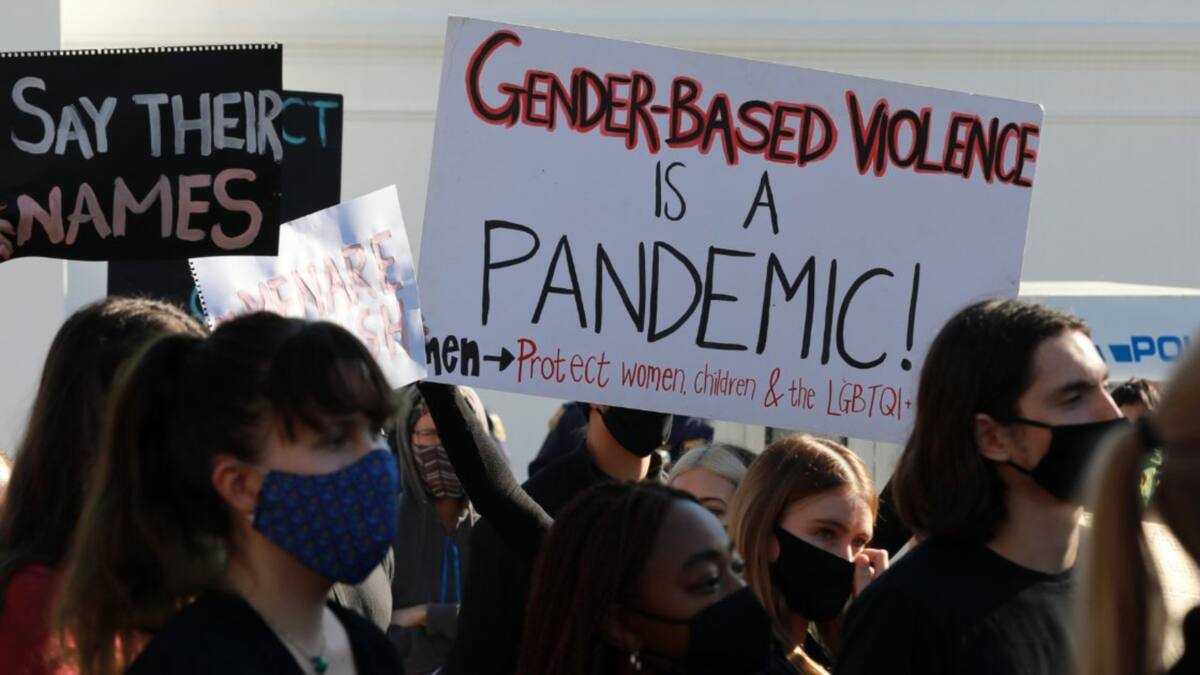
Menstrual equity and gender-based violence (GBV) are often viewed as separate issues, one focused on access to period products, the other on preventing violence. In reality, both are rooted in gender inequality, stigma, poverty, and unequal access to resources. While Canadian research directly linking menstrual inequity and GBV is still emerging, there is strong evidence that the social conditions driving period poverty also increase vulnerability to violence.
Gender-based violence (GBV) has significant economic consequences that often continue long after the violence ends. The Government of Canada recognizes economic abuse, including restricting access to money, employment, transportation, and other basic necessities, as a form of coercive control that limits a survivor’s independence and ability to leave an abusive relationship (Women and Gender Equality Canada, 2026). GBV also contributes to absenteeism, reduced productivity, job loss, and long-term financial instability (Government of Canada, 2024; Campbell, 2002). Together, these impacts increase the likelihood that survivors will struggle to afford basic necessities, including menstrual products.
Poverty, Access, and Economic Independence
Economic insecurity is a significant risk factor for GBV. Financial dependence and economic abuse are common forms of intimate partner violence, and the Government of Canada recognizes restricting access to basic necessities as a form of coercive control (Statistics Canada, 2024; Women and Gender Equality Canada, 2026). Although Canadian research has not specifically measured menstrual products as a tool of abuse, they are one more essential item that can become inaccessible when someone is living with violence.
This pathway is reflected in Canada’s period poverty data. Women and Gender Equality Canada (2023) found that 17% of people who menstruate have experienced period poverty, increasing to 25% among households earning less than $40,000 annually, while one in five worry they may not be able to afford menstrual products in the coming year. The communities most affected by GBV, including Indigenous women, people living on low incomes, newcomers, people experiencing homelessness, individuals with disabilities, and gender-diverse people, also experience the greatest barriers to menstrual products, healthcare, housing, and social supports (Lee et al., 2024; Women and Gender Equality Canada, 2023). Rather than existing as separate issues, GBV and menstrual inequity are connected through the social and economic impacts of gender inequality.
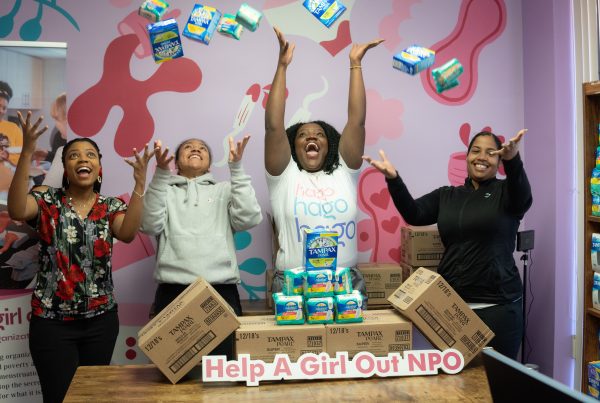
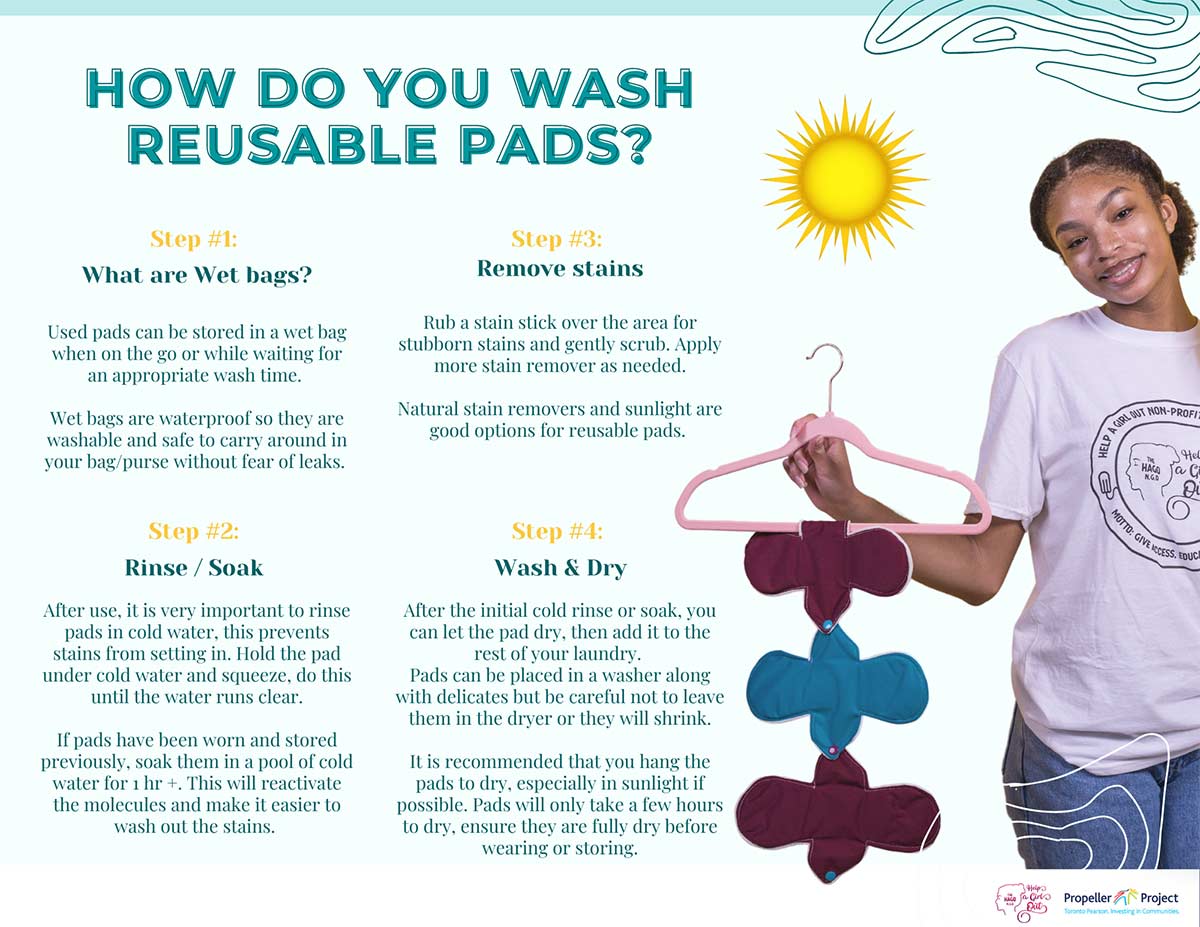
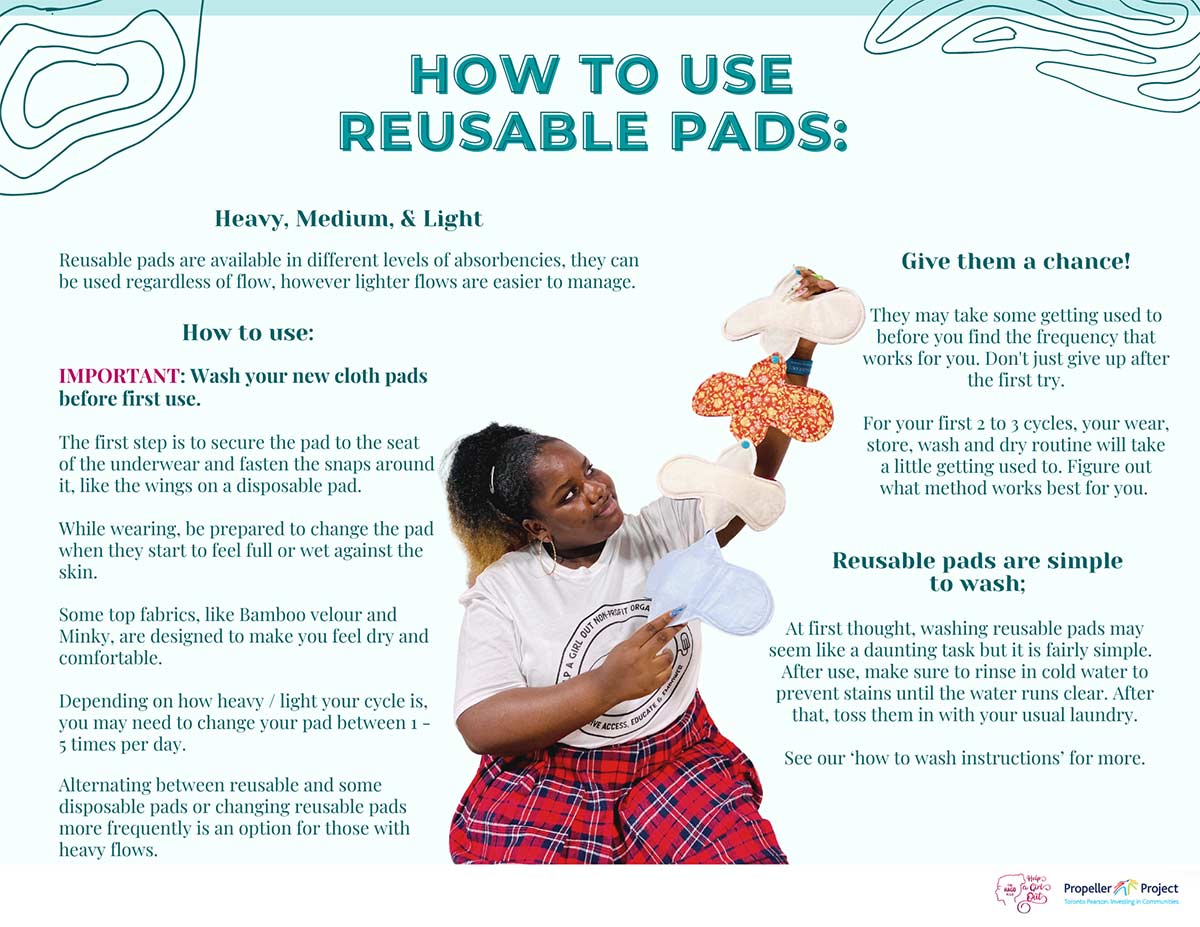
We see this connection firsthand at Help A Girl Out (HAGO). Applicants to our Period Product Support Program (PPSP) frequently disclose that they are fleeing abusive relationships, rebuilding after violence, or living with financial control by an intimate partner. Among HAGO’s 2026 PPSP applicants, 91% reported living on a low income and 62% reported receiving government assistance, demonstrating how financial instability creates barriers to accessing menstrual products. During my work in the violence against women (VAW) sector, I supported one woman whose partner became physically violent whenever there was any sign that she was menstruating. Blood on clothing, bedding, or simply seeing menstrual products could trigger severe abuse. As part of her safety plan, we provided reusable period underwear and dark-coloured underwear to reduce visible staining and lower her immediate risk of harm. In that moment, menstrual products were no longer simply hygiene products—they became safety tools.
Stigma, Gender Norms, and Shared Root Causes
Menstrual inequity and GBV are also fuelled by the same harmful gender norms. In Canada, 22% of people believe menstruation should not be discussed publicly and 25% believe periods are dirty or unclean (Women and Gender Equality Canada, 2023). Plan International Canada (2022) found that 78% of young women have felt the need to hide their period at school or work. International research further strengthens this connection. UNICEF (2021) recognizes menstrual health as both a public health and gender equality issue, while Barrington et al. (2021) found that menstrual stigma contributes to social exclusion, reduced educational and workplace participation, poorer mental health, and diminished confidence. Although these studies do not suggest that menstrual inequity directly causes GBV, they show that both arise from systems that limit bodily autonomy and reinforce gender discrimination.
When menstruation is treated as shameful or hidden, it becomes harder to have open conversations about reproductive health, consent, healthy relationships, sexual violence, and help-seeking. Addressing menstrual stigma is therefore about more than normalizing periods, it is about creating environments where people understand their bodies, advocate for their health, and challenge the gender norms that perpetuate both menstrual inequity and GBV. Menstrual products are often viewed as simple hygiene items, yet in the context of gender-based violence they can become part of a survivor’s safety plan. This is why menstrual equity and GBV cannot be viewed as separate issues. They are interconnected manifestations of gender inequality, and addressing one without the other means overlooking an important pathway to safety, dignity, and healing.
Written By Alisha Fisher