



Far from what people usually assume, menstrual health goes beyond the 3-7 days when a woman experiences a period. While the experiences differ for every woman out there, those with uterine health issues or abnormalities experience challenges that have a strong, adverse impact on the individual’s overall health. Regular and predictable cycles indicate that the hormones are balanced & the reproductive health is in good condition. Though when that’s not the case, a healthcare practitioner’s attention is needed.
Each day, more than 2 billion women menstruate, but adequate research on the subject of menstrual and uterine health, and women’s health in general, is limited (World Health Organization).Menstrual health is one of the many aspects of a woman’s body that indicates the state of their overall well-being. Being an integral part of life, menstrual care isn’t something you can compromise on. And yet, an estimated 500 million women who menstruate lack access to menstrual resources (including sanitary products & accurate education) on a global scale (World Health Organization).
In response to this, communities and charities, like Help A Girl Out, are making a significant effort to expand the knowledge that comes with women’s health education, the absence of which keeps women and girlsfrom attending school or work and making informed decisions about their health. What Is Menstrual Health?
Beyond just being conventionally limited to sanitation or period hygiene , menstrual health is a state of complete physical, mental, & social well-being in relation to the menstrual cycle. It is an umbrella term that encompasses various issues including information & education about uterine health, necessary menstrual products; water, sanitation, & disposal facilities; seamless integration into working & studying environments; and lastly, forming positive and stigma-free social perceptions about menstruation.
Physical Impact of Menstrual Health on Daily Life
The menstrual cycle is viewed as one of the key indicators of the state of overall health in women. Still, in many cultures, menstruation is perceived to be very taboo, ‘dirty’ or ‘toxic’. Fighting against such misconceptions is also a part of the goal in educating the masses. Due to shame and misconceptions, irregularities in the cycle that signal underlying health conditions, such as PCOS or Endometriosis, take longer to diagnose and are often dismissed.
Your attitude towards menstrual health defines how likely you are to identify abnormal menstrual patterns in the early stages. A missed period, an unusually heavy flow, or spotting between cycles, are important signs and symptoms that demand attention. Proper access to women’s health education can help with timely identification and treatment for other issues such as coagulopathy, hypothalamic dysfunction, thyroid diseases, STIs, & malignancies (Journal of American Pharmacists Association).
Hormones such as estrogen and progesterone shift throughout the month in all phases of your cycle, i.e., menstrual, follicular, ovulation, and luteal. A drop in these hormones triggers a noticeable reduction in energy levels, which can present as pre-menstrual syndrome (PMS) or an even more severe form, Premenstrual dysphoric disorder (PMDD), in addition to the usual cramping and bloating. Minor discomforts are a given, but if you notice a change that prevents you from showing up wherever you are needed, is too painful to function or heavy bleeding through your clothes, it’s a sign you should consult your family doctor.
4 Ways Menstrual Health Influences Emotional Well-Being
There’s a very profound connection between your brain and reproductive organs. So whenever your menstrual health is normal, your body has a regular and cyclical experience and your hormone levels and mood is within normal range.. In contrast, when compromised, it can cause fluctuations in your brain chemistry. Paired with a lack of sleep, persistent pain and fatigue, several factors may adversely influence your emotional well-being.
Relationship Between Menstrual Health and Mental Wellness
Your menstrual cycle and your mental health are closely connected because the hormones that regulate your cycle—primarily estrogen and progesterone—also influence brain chemicals such as serotonin, dopamine, and GABA, which help regulate mood, sleep, motivation, and emotional well-being.
As hormone levels naturally fluctuate throughout the menstrual cycle, many people notice changes in their emotions and energy. During the follicular phase and around ovulation, rising estrogen is associated with increased serotonin activity and may contribute to improved mood, greater confidence, higher energy, better concentration, and increased motivation. As estrogen and progesterone decline in the days before menstruation, some people experience irritability, anxiety, sadness, fatigue, reduced motivation, or difficulty concentrating. While these changes are a normal part of the menstrual cycle for many, symptoms that are severe or interfere with daily life may be a sign of Premenstrual Dysphoric Disorder (PMDD) or another health condition and should be discussed with a healthcare provider.
Tracking both your menstrual cycle and your emotional well-being can help you recognize patterns and better understand how hormonal changes affect you personally. Using a calendar, journal, or menstrual tracking app to record your period, mood, sleep, stress, exercise, and physical symptoms each day can help identify recurring trends and prepare you for times when you may need additional self-care or support. Healthy habits such as regular physical activity, adequate sleep, eating balanced meals, staying hydrated, managing stress, and maintaining social connections have all been shown to support both menstrual and mental health. If emotional symptoms become persistent, overwhelming, or begin affecting school, work, or relationships, speak with a healthcare provider, who can help determine whether additional treatment or support is appropriate. Learning how your cycle influences your mental health empowers you to respond with compassion, make informed choices, and advocate for the care you need.
Throughout these mental and emotional fluctuations, it is beneficial to stay up to date with your menstrual health education.
From tracking cycles to breaking the stigmas, understanding how your body works can undoubtedly serve as one of the most effective tools to reduce period-related anxiety. So instead of being crushed under the weight of uncertainty surrounding your period cycle, you’d be able to derive a tentative timeline for expected period dates, so that you can anticipate your symptoms and mood as well as plan your diet and self care routines.
Always remember! If the mood fluctuations worsen, this may be a sign to seek guidance from a trusted healthcare professional or a therapist to help regulate your mental health.
Role of Menstrual Hygiene in Overall Well-Being
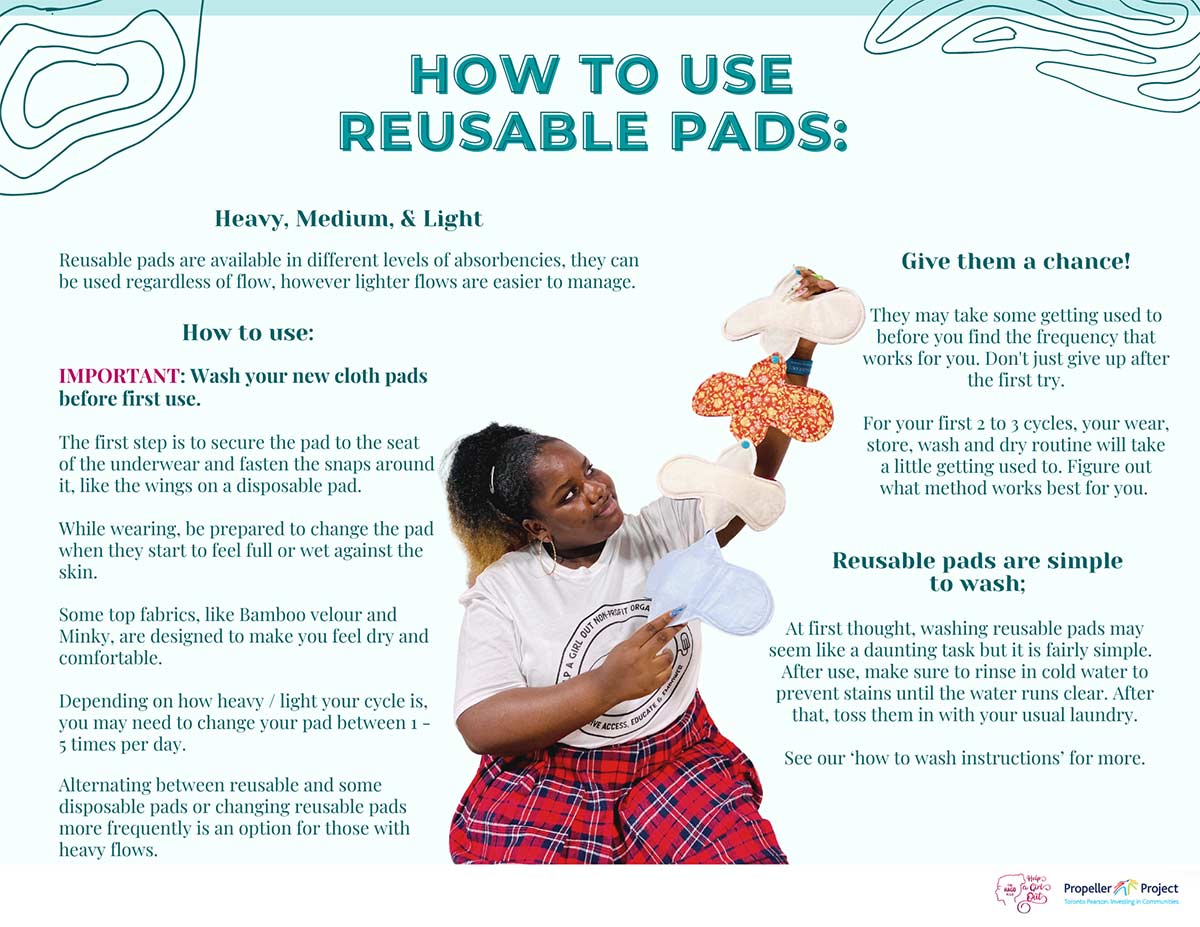
The practices you abide by during your periods have a significant impact on your overall well-being. Doctors and other healthcare experts recommend developing a habit to frequently change menstrual products (once every 4 to 6 hours, or less than that) to prevent bacterial growth. Gentle cleansing routines with mild (scent and fragrance-free) soap and warm water is also recommended. More importantly, wash your hands properly before changing your product and after handling used menstrual products. Whether it’s a tampon, a sanitary pad, period underwear, a menstrual cup, or a menstrual disc, using the product that’s right for you helps you stay comfortable and manage your flow better. When you are comfortable in your skin, your confidence also increases and you begin to feel more empowered and ready to take on new experiences.
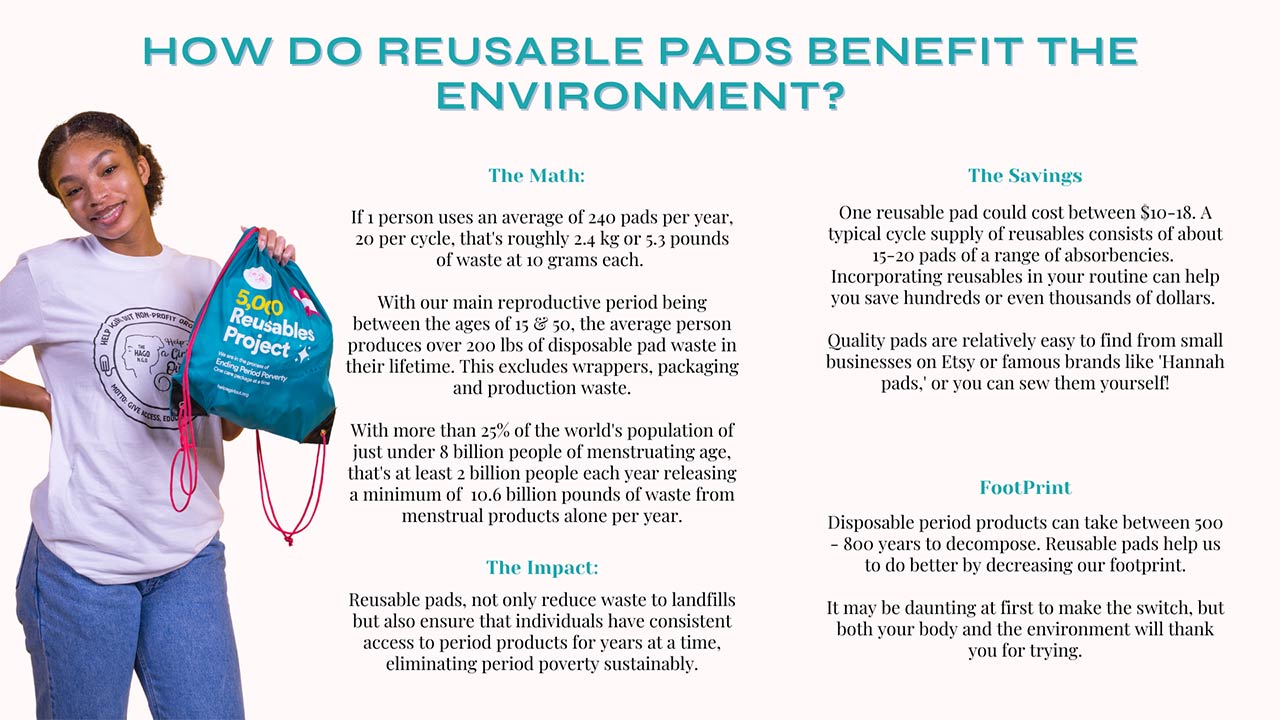
And yet, Period poverty is the absence of these necessary menstrual products, which often forces women and girls to resort to unhealthy, unconventional alternatives. This practice significantly increases the risk of irritation and urinary and reproductive tract infections. Socially, period poverty creates a ripple effect of difficulties in attending school, work and everyday activities that i limiting opportunities and reduce confidence.
How Menstrual Health Affects Education, Work, and Daily Activities
Your menstruation affects many aspects of your life. Severe cramps, pain in your legs or heavy bleeding that stains every underwear or fills a heavy pad within one or two hours of changing, are all examples of abnormal menstruation related issues that need to be immediately addressed with a family doctor.
Adverse menstrual health issues can affect many different aspects of a woman’s life, for example:
- Limited Student Experiences and Academic Participation caused by lack of adequate concentration levels due to intense pain which adversely impacts their academic performance and leads to an increased percentage of absences.
- Reduced Workplace Productivity and Comfort: Menstrual symptoms such as cramps, fatigue, headaches, and heavy bleeding can make it more difficult to concentrate, perform physical tasks, and maintain productivity at work, particularly when appropriate support or accommodations are unavailable. Limited Social Participation and Confidence: Menstrual symptoms and stigma can reduce social participation and self-confidence, causing some individuals to avoid sports, social activities, or public spaces due to discomfort, fear of leakage, or embarrassment.
We can create more supportive environments through collective work towards women’s health education which can help foster spaces where accessibility of products, facilities, and comprehensive education can help spark a meaningful change in academic and workplace policies.
Building Better Menstrual Health Habits
Good menstrual health is supported by everyday habits that promote both physical and emotional well-being. While every menstrual cycle is unique, understanding your body and adopting healthy routines can help you better manage symptoms, recognize what is normal for you, and identify when it may be time to seek medical advice.
Simple practices such as tracking your menstrual cycle, using menstrual products according to the manufacturer’s recommendations, maintaining good personal hygiene, staying physically active, getting adequate sleep, and eating a balanced diet rich in iron and other essential nutrients all contribute to menstrual health. These habits can also help reduce the risk of irritation or infection and support overall reproductive health.
Developing healthy menstrual habits also means becoming familiar with your own cycle. Recording your period dates, flow, symptoms, mood, energy levels, and pain can help you identify patterns over time and better prepare for different phases of your cycle.
Paying attention to changes in your physical and emotional health can also help you recognize symptoms that may warrant medical attention. Early recognition can lead to earlier diagnosis and treatment of conditions such as endometriosis, fibroids, Polyendocrine Metabolic Ovarian Syndrome (PMOS) formerly PCOS, anemia, dysmenorrhea, menorrhagia, or Premenstrual Dysphoric Disorder (PMDD).
Building better menstrual health is an ongoing process that combines knowledge, self-care, and support. Here are ways you can help improve your awareness and menstrual health:
- Stay informed by seeking evidence-based information from trusted sources.
- Prioritize regular self-care through healthy nutrition, movement, stress management, hydration, and adequate rest.
- Enroll in a menstrual health education program, and courses developed by trusted organizations.
- Most importantly, do not hesitate to seek support from a family doctor if your menstrual symptoms interfere with school, work, relationships, or daily activities.
Menstrual health is an important part of overall health, and understanding your cycle empowers you to make informed decisions, advocate for your needs, and care for your body with confidence.
Learn How You Can Improve Your Menstrual and Overall Well-Being!
The most important thing to learn through women’s health education is how integral menstrual health is to overall well-being. Once you identify there’s something unusual with your period cycle, it’s an indication to pay your healthcare practitioner a visit. Sure, eating iron-rich foods & staying hydrated is a part of the solution, it still wouldn’t be enough to improve your menstrual health. Although, here are some tips to help you out.
- Educate yourself with the latest info on menstrual health.
- Adopt an anti-inflammatory diet, manage stress levels, & sync your workout-rest cycle with your menstrual cycle.
- Don’t shy away from help & stay in touch with your healthcare provider.
Help A Girl Out is an award-winning charity, aiming to establish menstrual equity by providing free menstrual products and educating the masses with reliable menstrual health education and empowerment initiatives that erase the stigma surrounding menstruation. Since 2018, HAGO has distributed over 2 million products in 15,000+ monthly supply kits across 350 (approx.) cities in Canada and 13 countries throughout the Caribbean and Africa. With your support, as well as the support of 80+ partner organizations, we are steps closer to ending period poverty and establishing menstrual equity worldwide.