

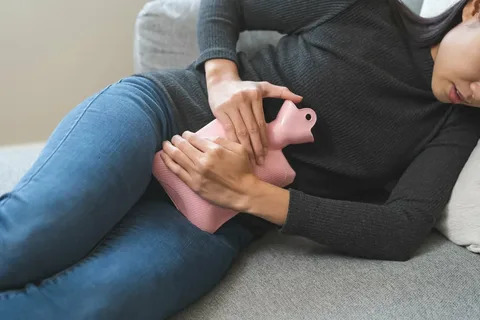
Menstruation is a recurring process for a major part of the lives of 1.9 billion menstruators around the world. For a considerable portion of the general population, the recurrence is healthy and regular. Essentially, menstruating individuals need adequate menstrual products, clean water, and uninterrupted access to basic sanitation facilities to manage their periods with safety and dignity. Yet, findings of an independent study (conducted among low-income menstruators) indicate 64% of menstruators face difficulty in affording menstrual products, with 21% of menstruators experiencing this every month. The very lack of access to sanitary products; functional, spacious, and hygienic toilets; safe waste management; clean, uninterrupted water; soap; and evidence-backed education to manage and ensure good menstrual health is known as period poverty. When left unacknowledged and unaddressed, a lack of menstrual products creates serious disruptions in daily life – primarily observed in the form of physical health risks, missed school and work, financial strain, emotional distress, and significantly lower levels of productivity.
No matter what anyone’s social standing is, they deserve to manage menstruation safely, comfortably, and with dignity. Any other option isn’t something to settle for. Despite the indispensability of menstrual products, the costly market prices continue to be a burden for menstruators all around the world. 1 in 5 menstruating Canadians have admitted to a fear of not being able to afford basic menstrual products within the following year. Talking numbers, a menstruator (on average) is estimated to spend a sum of $6000 CAD on period products in their lifetime, and that doesn’t even include the cost of occasional purchases of period management essentials, such as pain relief, new underwear, heating pads, wet wipes, and disposal bags. This rough estimate may also increase as per the varying financial demands of menstruators, based on a variety of factors, including menstrual cycle length, flow, product preference, and whether or not their periods are painful enough to demand pain relievers.
When the inability to purchase period products (such as pads and tampons) persists, the impact extends beyond the period itself. Without having the financial means to afford period products, menstruators often resort to unsafe alternatives for menstrual hygiene management (MHM), which in turn creates a breeding ground for infections, including bacterial vaginosis, toxic shock syndrome, UTIs, or skin irritation. Not just that, but there’s a noticeable absence and lack of productivity in school or work, loss of income, missed promotions, persistent anxiety and shame, an unexplained, unannounced social withdrawal, prolonged social isolation, restricted freedom, risk of public humiliation, and forceful compromise on financial stability (meant for affording food, rent, and other basic needs). Even though Canada is among countries working to establish menstrual equity by either lowering or scrapping taxes on menstrual products, there’s still a long way to go until a lack of period essentials continues to affect no one.
Why Access to Menstrual Products Matters
Anything can become a source of great value if it directly affects core areas of an individual’s life. In the same light, menstrual products are indispensable components of health and daily living for menstruators. Depending on period product security or insecurity, a menstruator’s life is affected. The known impact areas for menstruators experiencing period poverty include interpersonal relationships, health, household finances, education, work, community engagement, and overall well-being. A peer-reviewed study conducted in Nova Scotia indicated a staggering figure of 65% of menstruators admitting their occasional inability to purchase menstrual products (pertaining to a lack of adequate funds), a minority (22%) reused disposable menstrual products, and 37% of menstruators used rags or toilet paper as alternatives for MHM products.
Access to menstrual products was never meant to be a luxury, and yet period poverty continues to adversely affect the lives of more than 500 million menstruators all around the world. The current number of affected individuals is expected to be even higher after the COVID-19 pandemic and the ongoing global economic crisis. For many Canadians, a lack of access to period products, sexual and reproductive health education, safe waste management, and adequate facilities holds the position of a public health issue and remains an area of significant concern. Alarming as the numbers are, the impact of period product insecurity is detrimental to one’s health and quality of life, no matter where they reside. If the problem continues to persist, it may cause urogenital infections and keep menstruators from school or work.
In this, seamless, reliable, and uninterrupted access to period products has the potential to make a lasting difference. Enabled access to menstrual products means menstruators may benefit from a better state of health, increased comfort, and enhanced conditions to maintain dignity – as opposed to the far-reaching consequences of period poverty. In other words, menstruators (who would otherwise choose to skip school/work or show low levels of concentration or productivity) feel comfortable and secure enough to show up for their academic or professional commitments. This way, their grades/performance have the potential to indicate noticeable improvement and subsequently prevent dropouts/layoffs. To support this idea, a 2.4% rise in attendance is reflected in the data available from a high school’s initiative to install menstrual product dispensers (free of charge), whereas another study indicated a shift in attitudes concerning menstruation upon availability of free menstrual products in public spaces (university campus), deeming it to be a catalyst for reducing social stigma of menstruation. Not just that, using safe MHM products in the right way (by adhering to fact-checked instructions) effectively helps foster a calmer, peaceful state of mind, prevent painful infections, and promote long-term health.
How Lack of Menstrual Products Affects Physical Health
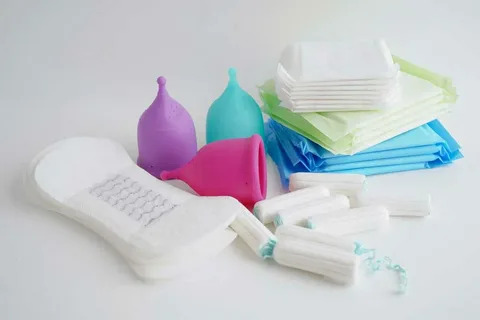
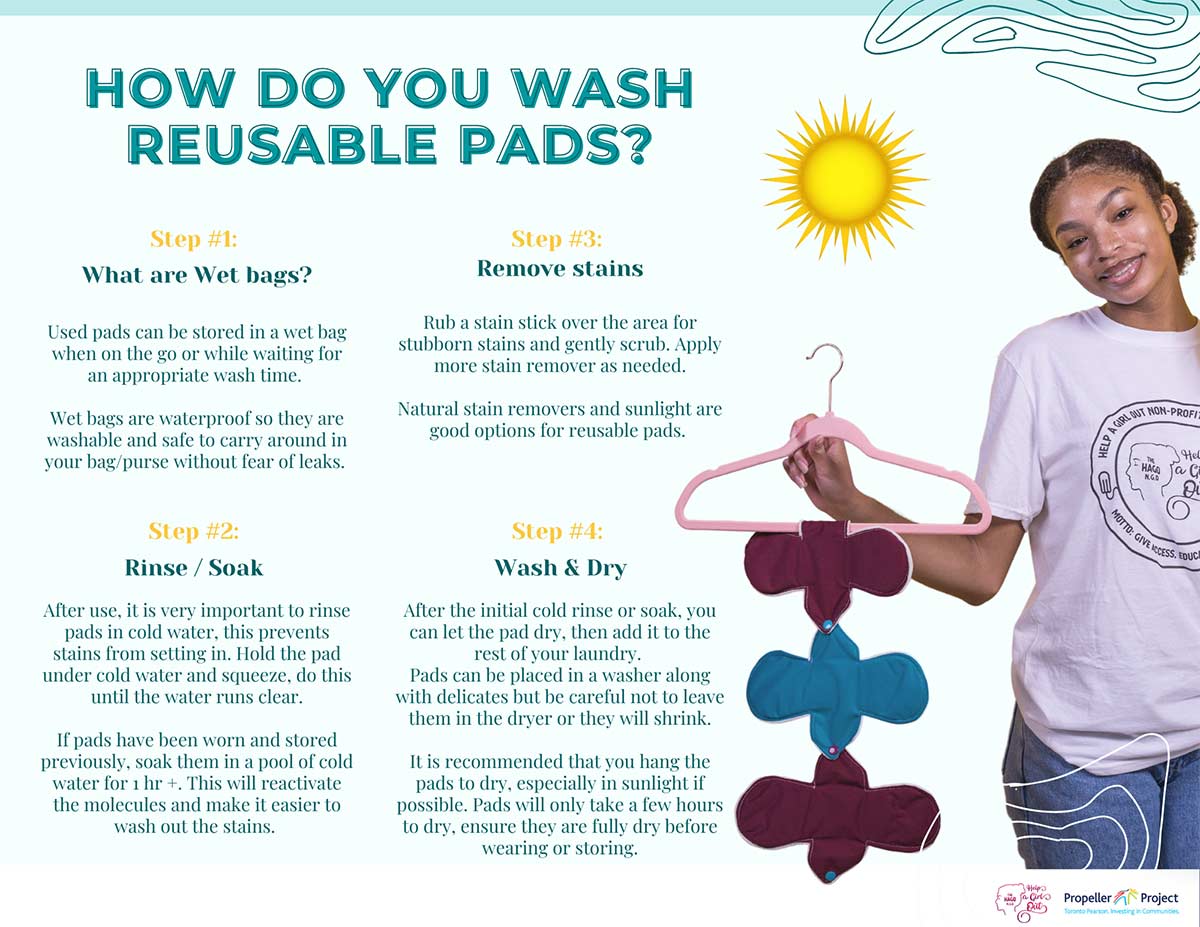
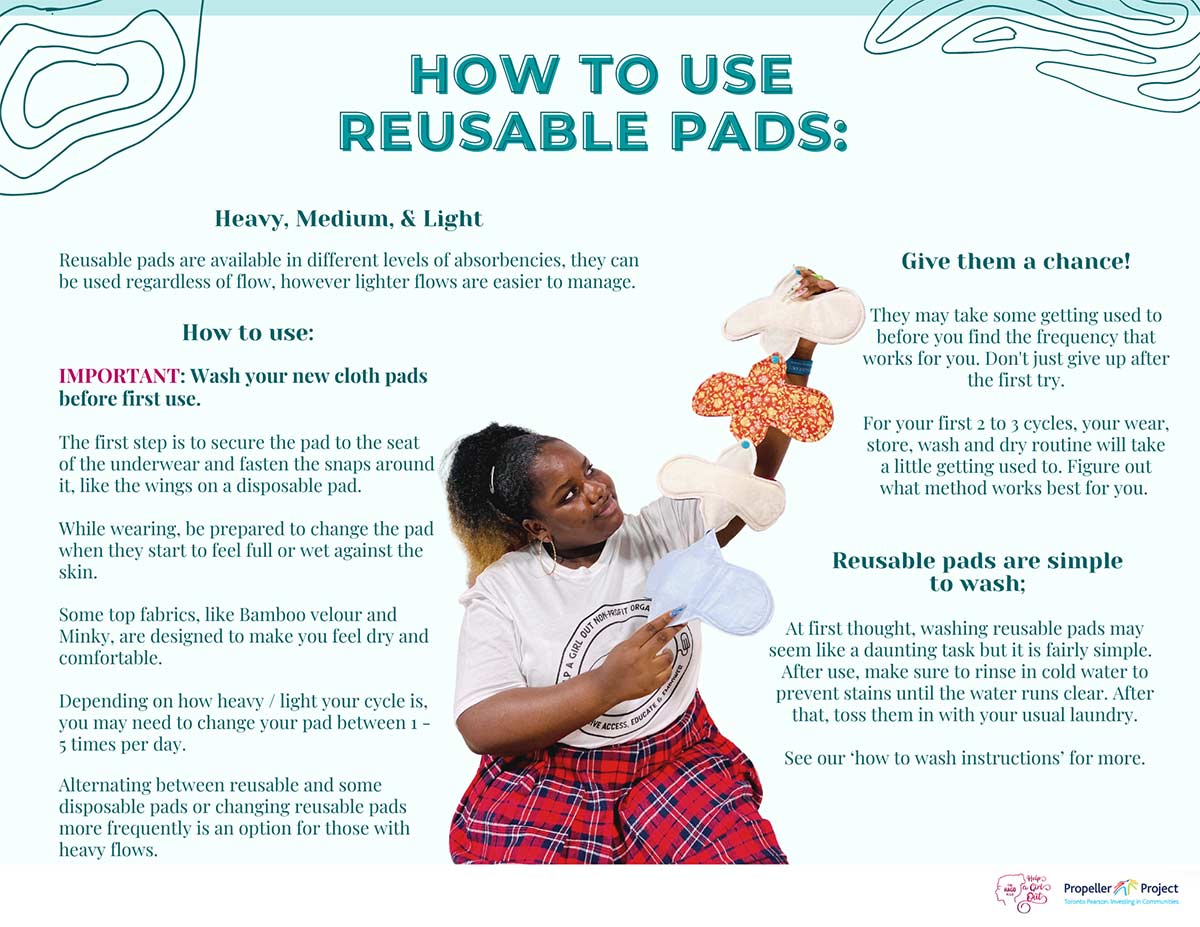
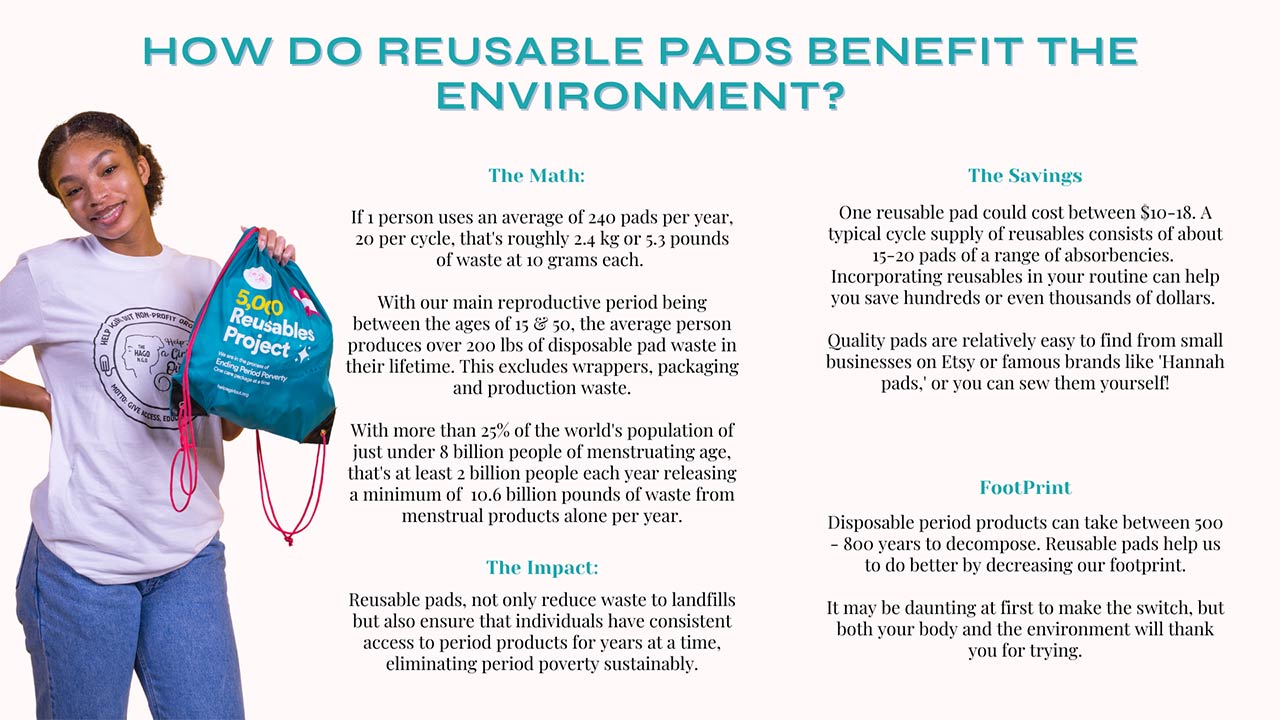
Menstruation is unlike bladder or bowel movement; it can’t be voluntarily controlled or held back. It’s an involuntary process driven by hormonal fluctuations. Considering how there’s an absence of sphincter and valve muscles in the vagina, it’s important to ensure comfort (for managing uninterrupted flow for a normal menstrual cycle) through effective menstrual hygiene management methods. Menstruators may use disposable MHM tools (such as pads and tampons) or resort to safe, reusable alternatives like menstrual cups, menstrual discs, period underwear, or reusable pads to manage their periods with ease. However, not everyone is able to afford or have reliable access to safe MHM products. So what menstruating individuals ultimately end up following are unsafe menstrual hygiene practices.
The blood doesn’t stop for menstruators every cycle, so what they do is make use of what’s available to them. For this reason, makeshift alternatives (with absorbent mechanisms) like rags, inadequately washed cloth pads, cotton balls, sawdust toilet paper, newspaper, dried leaves, grass, sand, or sponges become favored choices over disposable items. However, if menstruating individuals don’t resort to makeshift alternatives, they end up relying on prolonged usage of disposables or reusing disposables to manage the flow of periods. The impact of following unsafe practices for menstrual blood management is a lack of hygiene, which directly compromises one’s physical health. For example, if a menstruator wears pads or tampons longer than recommended or continues to save a used disposable item for the next session of changing, the practice introduces bacteria into their system, increasing the risk of UTIs, toxic shock syndrome, and bacterial vaginosis. In addition to this, resorting to makeshift alternatives for managing periods leads to chafing, severe rashes, and localized genital discomfort.
With constant worry over the means and methods to manage menstrual blood every few hours, menstruators continue to struggle with embarrassment and discomfort associated with menstruation. Even though menstruation is a normal biological process for menstruators, many are observed to associate the menstrual cycle with a negative feeling. Before the arrival of their period, menstruators engage their minds with worry, anticipating the flow and trying to manage effective ways to contain the blood. As a result, they become anxious with every passing moment, check for unexpected leaks and stains, and establish a rough timeline for when their current MHM product supply is expected to last. From a broader perspective, the shame doesn’t just concern a menstruator’s inability to afford period products; it extends to stigma-driven embarrassment. Without access to reliable MHM products, menstruators have no choice but to put their health at risk or stall academic/professional commitments until the period ends.
With period product security, all such issues can be prevented. The predictable access to clean absorbents stops preventable infections, protects long-term reproductive health, restores bodily autonomy, allows menstruators to move more freely through public life without shame, and ensures comfort of students/employees so they may show up where they’re needed.
How Limited Access to Period Products Affects Education
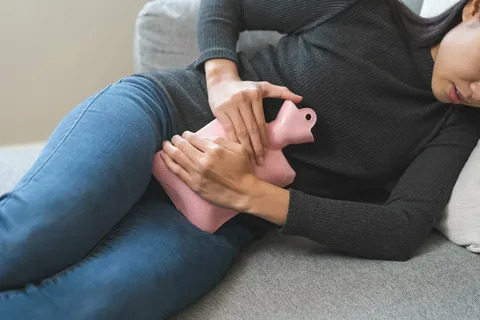
Periods are always going to arrive according to an individual’s physiological makeup and their own menstrual cycle. In this, how menstruators experience periods may also differ, creating a need for additional period products, such as heating pads, painkillers, and comfortable underwear. But in the midst of unavoidable periods, people seem to forget one important aspect affecting the lives of nearly 17% of menstruators in Canada: period poverty. The population of affected individuals jumps to 25% for menstruators living in lower-income households. By this observation, it can be deduced that while a majority of the population may be able to afford quality period products during their menstrual phase, a minority still can’t. For this reason, menstruators have no other option than to manage their periods with whatever means they have at their disposal. This can mean they’re likely to select one (or all) of the following three options: they either have to buy a limited supply of disposables and extend their use beyond the ‘safe wear limit’; they involuntarily resort to makeshift MHM alternatives (which may lead to an increased risk of infections); or they make the decision to skip school during their periods.
The reason why skipping school and staying home seems like a viable option to menstruators is that it offers them the psychological comfort needed to manage periods without adequate MHM products. At home, they don’t have the need to fear if they stain the couch or their clothes – but in public spaces like schools, the fear persists. Though when menstruators are unable to avoid school during their days of menstruation, they tend to struggle with attention-diverting cramps, heavy flow, discomfort, and anxiety. Similar to all menstruators, those experiencing period poverty cannot control how heavy their flow is or what degree of discomfort their current menstrual cycle is going to induce on their bodies. However, they differ significantly in resources to manage their periods. Grappling with period product insecurity, they simply sit and continue to worry about a possible leakage or assess the odds for a practical way to hide their stains and successfully change in the school restroom. Driven by stigma, such factors divert their focus away from classroom topics and lead to learning gaps, lower test scores, and higher dropout rates. Pairing voluntary absenteeism with involuntary shift-of-focus results in cumulative academic loss. Students experiencing menstrual flow have significantly reduced rates of engagement within the classroom, and subsequently, miss chances to make friends or build important connections that have the potential to help them progress later in life.
In order to avoid the consequences of period poverty that directly impact a student’s performance and attendance at school, it’s highly recommended for schools to build an infrastructure where free, safe-for-use, and quality period products are available at dispensers all around the campus, hire school counselors who create ease for menstruating students to share their concerns and discomfort without fear of judgment, and work to foster an inclusive environment that doesn’t leave them vulnerable to stigma-driven shame and embarrassment.
Impact of Menstrual Product Insecurity on Work and Daily Responsibilities
There is no difference in menstrual hygiene needs for menstruators as assessed by their age. So the menstrual product insecurity that a menstruator may face during their student years, when their menstrual cycle starts, doesn’t differ from what they experience later in life (at work). The pads or tampons they required back then remain the same today, especially if their financial constraints have stayed the same in recent years. The fear of staining the chair at workplaces, the desperation to hide stains on clothes, and suppressing the discomfort of cramps, a substantial population of menstruators (19%) who experience period product insecurity tend to stay home instead of showing up to work.
Just as students were unable to identify when their periods are likely to start, menstruators at workplaces tend to experience a similar type of uncertainty. In one of the independent studies, it was found that a staggering 90.5% of menstruating workers had experienced irregular menstrual cycles at some point in their lives, making it difficult for them to predict the exact day they’d require a menstrual product at work. For menstruators, losing track of their menstrual cycles and suffering from period product insecurity altogether contributes to mental stress, embarrassment, and anxiety. This leads employees at workplaces to be hyper-vigilant about potential leaks, become severely distracted from worry, suffer in silence (as they’re unable to afford over-the-counter painkillers, especially for dysmenorrhea), and deal with the pressure to conceal any sign of menstrual blood. Managing menstruation while working entails the use of improvised materials, such as toilet paper, industrial paper towels, old rags, and socks. Given the nature of such products, they are characterized by low absorbency levels, contrary to what menstrual blood management typically requires. Beyond this, there’s also the risk of painful infections that menstruators are vulnerable to every single month. The lingering social taboos ultimately corner menstruators into prolonged periods of isolation, health issues, compromised dignity, and professional embarrassment; something that no employee should have to go through.
Not just that, a new survey has revealed that 25% of menstruators have had to choose between purchasing menstrual products and other essential items (like food and rent). Yet, as menstrual product insecurity continues to persist, menstruating employees of the workforce are subjected to direct loss of wages, job insecurity, stifled career advancement, and diminished morale; either through voluntary absenteeism or suboptimal presenteeism. But this isn’t just a loss of opportunities or success for workers; it also affects Canada’s progress and prosperity. The detrimental effects of period product insecurity on the workforce include a loss of valuable skills, ideas, and contributions for a nation. However, efforts to reduce period poverty would directly unlock the potential for innovation, productivity, and leadership, benefiting Canada’s whole economy. These efforts include, but aren’t limited to: enabling on-site distribution of period products, private access, all-gender product placement (such as in men’s, women’s, and gender-neutral bathrooms), private disposal units, clean water and sanitation facilities, and workplace flexibility. As mentioned on the Government of Canada’s website, supporting equal opportunities at the workplace could add $150 billion to Canada’s GDP by 2026. It’s important that all progressive workplaces revise their infrastructural design and strategies to support menstruators during their menstrual cycles.
How Lack of Menstrual Products Can Affect Emotional Well-Being
Menstruation is already a duration defined by hormonal fluctuations, which means it’s a time where emotional regulation demands high priority. As stated in NLM website, many factors are at play during menstruation. For this reason, menstruators tend to experience and show signs of increased irritability, heightened sensitivity, and persistent fatigue. As discussed in the previous ‘How Limited Access to Period Products Affects Education’ and ‘Impact of Menstrual Product Insecurity on Work and Daily Responsibilities’ sections, stress, embarrassment, worry, anxiety, and shame caused by period product insecurity continue to impact the mental state, physical well-being, and course of action for a significant population of menstruators.
As a matter of fact, negative feelings toward menstruation can arise as early as the initial years of puberty. The perception is further fueled by a lack of discussion of the topic among trusted family members, guardians, and teaching staff in academic settings. Subjected to limited information or misinformation about periods, many menstruators grow up to experience insecurity and low self-esteem. Teasing, shaming, and exclusion from daily activities are some of the common products of persistent taboos, stigma, and myths surrounding menstruation. Affected by this and more, a lack of proper access to menstrual products and hygiene management facilities leads menstruators to develop a more severe form of dislike toward a natural process that’s essential for their body’s function.
The emotional toll of period poverty creates an urgency for menstruators to ration supplies, engage in constant worry, and induce unavoidable financial strain on their budget. They don’t have any way out but to fear leaks every now and then, the visibility of which would subject them to social judgment and expressions of shame for an expected 38 years of their lives (until menopause). Considering there is a possibility of restricted access to free MHM products in the form of broken dispensers, unsafe environments, and lack of proper trash cans, particularly for public spaces, menstruators experience anxiety about period management. Menstrual equity and the right to safe menstrual hygiene management are shared by every menstruator, but financial constraints and social stigma have kept many from managing their periods with dignity and confidence. Menstruating individuals need mental peace with a steady flow of reliable MHM products and to participate in all kinds of activities without any disparity. The very move to address period poverty will enable menstruators to lead a dignified life, build self-worth, deconstruct stigma, and secure social freedom without compromising on their emotional well-being or confidence.
How Menstrual Product Insecurity Affects Social Participation
Being socially active also means being fully equipped to leave the comfort of one’s home and engage in social activities with loved ones or peers. However, suffering from menstrual product insecurity doesn’t allow menstruators to render themselves ‘eligible’ for social participation. Considering the restrictive, isolating nature of period product insecurity, affected menstruators are likely to make last-minute cancellations, deliberately miss school or work (due to the convenience of managing periods at home), and socially withdraw by turning down invitations through made-up excuses (driven by shame and embarrassment of lacking supplies).
With normal social interactions (such as school and work) being difficult to manage with inadequate MHM supplies, it’s obvious how menstruators would also face challenges if they’re active in sports and physical activities. Factors like heavy exertion, high impact, intra-abdominal pressure, and aggressive stretching are unavoidable demands of sport, and with extended wear time of disposables/improvised alternatives, the risk of menstrual blood leakage during practices increases. In the absence of interventions to make menstrual hygiene management easier for menstruating athletes, many either suffer from anxiety as they change clothes in public locker rooms or drop out of sports altogether.
Though if menstruators struggling from period poverty do agree to a hangout or meeting, it’s often a result of careful assessment concerning distance of location (from the house), feasibility of functional bathrooms, and self-arranged mode of transit (through cars or bikes). With the right combination of MHM product and facility support, they are able to decide if a certain activity requiring social participation doesn’t pose a risk to their self-esteem or dignity. In the absence of qualifying factors, they’re likely to cancel or hold back from participating in the prospective social commitment, with this being true for 15% of Canadian menstruators in 2023. For this reason, it’s essential to take appropriate actions, such as installing easy-to-access dispensers for MHM products in public spaces and ensuring proper sanitation facilities to support dignified and hygienic menstrual management.
The Financial Burden of Limited Menstrual Product Access
In times of desperation, anyone would make do with what they already have or what seems more affordable to them than conventionally available items. The truth is, periods can be super expensive. While the upfront cost wouldn’t seem much every single month, looking at the bigger picture, the cost will be significantly higher. It is estimated that every menstruator tends to spend up to $6000 only on period products in their lifetime. This doesn’t include the cost of pain relief medications, new garments needed to manage periods, or heating pads. Considering an average person menstruates from the ages of 13 to 51, every 28 days, for 3 to 7 consecutive days; making a total of 456 menstrual cycles for 38 years straight, the cost doesn’t seem justified. With the economic hardship affecting many people around the world, it’s imperative that safe MHM products have not experienced a price hike. Experts recognize how such hardships would affect access to MHM essentials, especially given that they should be fundamentally available for all who menstruate. A survey revealed that 21% of menstruators over the age of 13 years have struggled to access menstrual products either for themselves or their dependents due to a high financial burden. In the same findings, nearly 20% of menstruators have rationed or used menstrual products (disposables) longer than recommended use, also pertaining to financial constraints.
Entities like the pink tax are used as tools for gender-based discriminatory action, deeming essential medical and hygiene items (like period products) as non-essential luxury goods. But the unaffordability of menstrual products isn’t just an issue limited to Canada’s borders; it’s a global issue that continues to affect millions around the world. According to 82% of Canadian menstruators, period products are expensive, with the number climbing to 88% for Canadian menstruators within the 18- to 24-year age bracket. While the menstrual product needs for individuals vary from person to person (skip to introduction for details), the costs also fluctuate for all menstruators. For those individuals residing in rural communities, MHM essentials can cost almost double the original prices due to limited transportation. To find evidence of this idea, one may pay attention to how a single box of tampons can cost between $16 and $45 in rural communities, which is significantly higher than the conventional range of $5 to $13.
Financial hardship can, in fact, increase period poverty, forcing 25% of menstruators to choose between menstrual products and food/rent. This is influenced by geographic barriers, institutional neglect, and inequity sabotaging the opportunity for educational attainment and earning potential. Period poverty tends to disproportionately affect marginalized and lower socioeconomic groups, which entails individuals experiencing homelessness, 2SLGBTQ+ people, individuals with disabilities, immigrants, refugees, indigenous people, racialized individuals, children, and youth. These groups are recognized to be vulnerable to the high financial burden of menstruation, demonstrating how affordability and accessibility are often not the same. Not having adequate financial means to buy period essentials affects the affordability of MHM products, whereas the inability to find, reach, and safely use quality MHM products is categorized as restricted accessibility to menstrual essentials.
Who Is Most Vulnerable to Menstrual Product Insecurity?
Menstrual product insecurity is directly a product of systemic failure. Loss of opportunities, low-paying wages, gender-pay gap, geographical limitations, ethnicities, and gender identity – everything influences how a certain faction of menstruators experience period poverty. It is a structural public health issue affecting the lives of 500 million menstruators worldwide. Mentioned below is a list of groups vulnerable to menstrual product insecurity:
- Students and Young People: Young people and students lack independent incomes, which renders them dependent on parents or guardians for accessing essential MHM products; when they’re unable to get such products from such sources, they resort to extended use of disposables or makeshift alternatives (which aren’t reliable or safe means of MHM), resulting in classroom absenteeism or presenteeism with scattered concentration.
- People Experiencing Financial Hardship: Adults with low and/or unsteady flow of income frequently have to make the choice between affording food and rent or MHM essentials; discriminatory policies (such as the pink tax) inflate the price of menstrual products, further adding to the difficulties faced by menstruators already struggling with financial distress, the impact of which can be found through unsafe MHM alternative practices.
- People Experiencing Housing Instability: Managing menstrual blood isn’t just about the product itself, but also about resources needed to ensure a safe, clean, and hygienic MHM routine; unhoused individuals usually struggle to find a secure, private sanitation facility to change, wash, or safely manage their hygiene; while shelters may offer insufficient supply goods, a complete insecurity of safe facilities and trash disposal puts an unhoused menstruator’s right to dignity, safety, and confidence at risk.
- People Using Shelters and Community Services: Individuals who survived domestic abuse, who don’t have any caretakers, and are currently homeless often seek refuge in shelters and community service centers; interacting with male security or administrative staff at shelters becomes difficult as they often lack training or knowledge for menstrual health-related products; shelter workers are primarily asked for pads or tampons by menstruating individuals in this category, but the donation-reliant systems are often inefficient for the needs of menstruators (with varying absorbancy levels and product preferences).
- Underserved Communities: Menstruators belonging to groups that are often subjected to underrepresentation and discriminatory behavior at large are likely to struggle with period product insecurity; this includes Black and Hispanic populations, those belonging to the 2SLGBTQ+ community, displaced population groups (refugees), and people with disabilities; these communities often remain underserved due to a variety of issues, such as socioeconomic disparities, gender-binary restrooms and shelters, disruption in logistics chains, and physical mobility limitations.
How Communities Can Improve Access to Menstrual Products
The consequences of menstrual product insecurity are detrimental. A byproduct of period poverty, menstrual product insecurity can lead vulnerable menstruators to unsafe MHM practices such as using disposables for longer periods than recommended, reusing disposable sanitary napkins, or opting for makeshift alternatives (toilet paper, cotton balls, sawdust toilet paper, newspaper, dried leaves, grass, sand, or sponges). While spreading public awareness about period poverty may contribute to a systemic change that creates ease for all menstruators, communities can also join forces to improve access to period products. Here’s how:
- Making Period Products More Accessible: Municipalities and public institutions may supply a variety of free pads, tampons, menstrual cups, reusable cloth pads, and period underwear in high-traffic facilities (such as libraries, community hubs, recreation centers, and public parks) to respect personal preference, cultural needs, and skin sensitivities. Individuals involved in such communities can also lobby local governments to abolish sales taxes on menstrual products and to pass mandates ensuring free access to period products in all public restrooms.
- Supporting Menstrual Product Donation Programs: Until the governing bodies make free period products a reality for communities vulnerable to period poverty, it’s important for communities to play their part by donating generously to nonprofits working to eliminate period poverty among the masses. With collective efforts, they may (1) set up dedicated hygiene banks to gather, sort, and distribute bulk period supplies to local networks, (2) secure corporate backing or retail donations, or (3) assemble specialized period kits, which contain a mix of quality pads, tampons, wipes, and clean, comfortable underwear (particularly for local shelters, drop-in centers, and transitional housings).
- Providing Menstrual Health Education: Period product insecurity doesn’t just arise from a lack of financial resources to afford products; it’s also a result of shame, taboos, and stigma associated with menstrual health. To address this problem and reduce health risks stemming from unsafe menstrual hygiene practices, comprehensive education is needed. Communities may host open informational sessions to cover topics of basic human anatomy, puberty, uterine health, cycle management, and safe MHM practices for an inclusive audience (entailing both menstruating and non-menstruating individuals).
- Creating Supportive Schools and Community Spaces: A major part of everyone’s day is spent outside their homes, making schools and workplaces critical touchpoints for menstrual dignity for those who menstruate. It doesn’t matter if systemic reforms have introduced free menstrual product dispensers at restrooms; the community can always come together to raise funds for installing touch-free MHM product dispensers in all restrooms (regardless of gender) and private disposal bins (inside stalls) while enabling unrestricted bathroom access.
- Working With Community Organizations: Several organizations (like grassroots movements) are built through menstrual equity-driven ideas that effectively allow them to deliver help where it is most urgently needed. Local groups (NGOs or NPOs) may pair with global or national organizations to implement tailored programs for safe menstrual hygiene management, putting up a fight against the debilitating impact of period product insecurity. Other than that, communities may also connect with shelters and food banks that distribute period essentials to a large population of vulnerable menstruators, creating immediate access points for them.
Connect with Help A Girl Out & Help Us Spread Awareness on Menstrual Products!
Menstrual product insecurity doesn’t just concern affordability; it extends to the broader issue of period poverty. Menstruators struggling with financial, geographical, and social constraints are significantly affected by a lack of/inadequate access to sanitary products, hygienic facilities, safe waste management, clean water, soap, and factual information to ensure good menstrual health.
With the use of unsafe alternatives for menstrual hygiene management, vulnerable menstruators are indefinitely subjected to painful infections and consequent absences in social settings, reduced productivity, loss of income, persistent anxiety, and lingering shame. Help A Girl Out recognizes the detrimental impact of period product insecurity and is actively working to establish menstrual equity.
We believe nobody deserves to live a life where thoughts like “How long till my period leaks?”, “Should I buy a new box of tampons or skip lunch today?”, and “Would my coworker judge me for asking for a spare pad?” continue to preoccupy minds. As someone who menstruates, leading a dignified and comfortable life is your right. Don’t let any barrier make you believe otherwise!
A small contribution goes a long way. Donate to our cause or connect with us to spread awareness on menstrual products. Let’s make a difference together, one workshop at a time!
Frequently Asked Questions (FAQs)
Q1. How does menstruation affect daily life?
Menstruation may affect daily life by causing physical discomfort, emotional shifts, and disruptions to work, school, or social activities. These experiences are common for menstruators even with period product security. However, such experiences can be further exacerbated by a lack of adequate menstrual products to support safe menstrual hygiene management, resulting in poor menstrual hygiene practices.
Q2. What are the consequences of poor menstrual hygiene?
Poor menstrual hygiene often results from a lack of financial resources to purchase quality MHM products and low literacy rates on safe menstrual hygiene management, which may lead to serious infections (urinary tract infections, bacterial vaginosis, reproductive tract infections, toxic shock syndrome, etc), skin irritation, psychological stress, decreased productivity, school dropouts / work layoffs, and social isolation.
Q3. What is menstrual product insecurity and how can it affect my work productivity?
Menstrual product insecurity is meant by the inability to afford or access basic menstrual hygiene management products. Fueled by financial and geographical disparities, menstrual product insecurity reduces work productivity by exerting physical stress, workflow interruptions, and mental distraction.
Q4. What are some of the effective ways to cope with period product insecurity?
It is highly recommended for menstruators affected by period product insecurity to utilize community resources, educate themselves about unsafe makeshift alternatives, switch to reusable alternatives, and lean on local support networks to maintain health, dignity, and access.